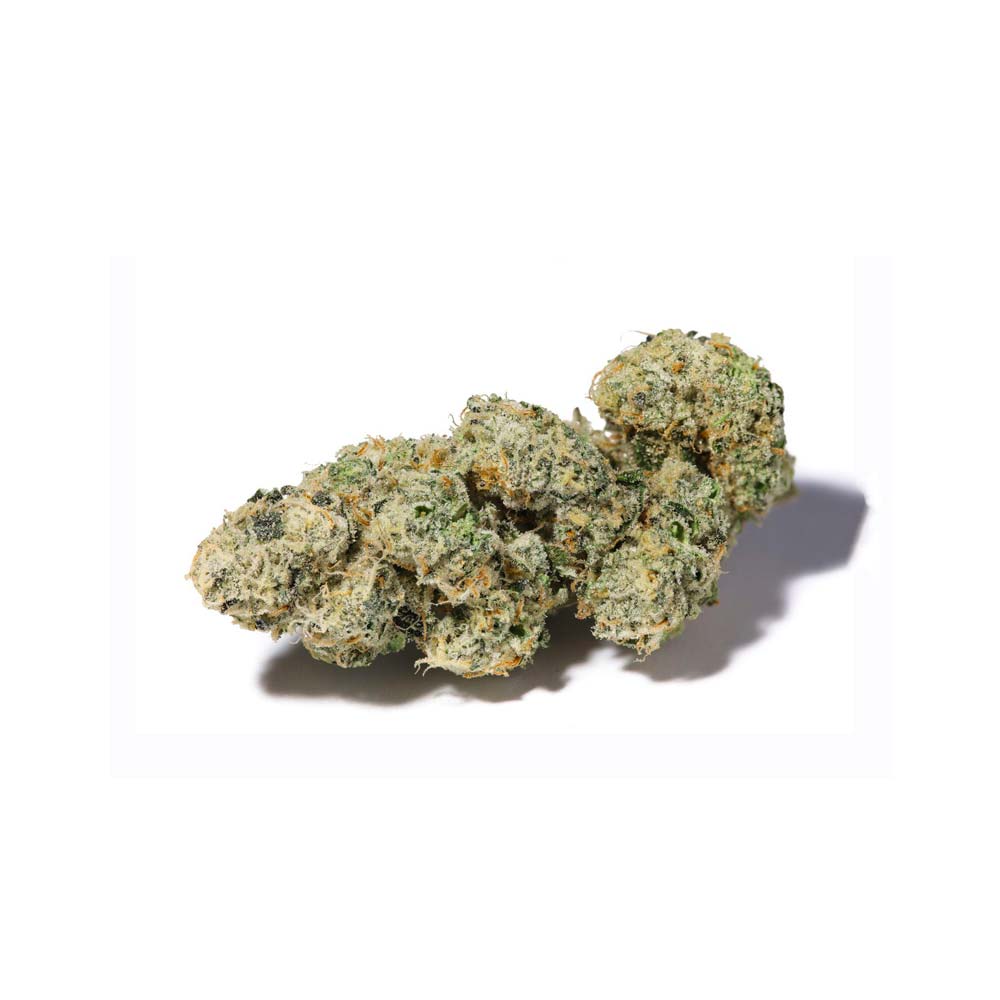
Cannabis for Anxiety UK — Medical Prescription, Strains, Guide
Medical Cannabis for Anxiety in the UK: Your Complete Guide
In recent years, medical cannabis has emerged as a potential treatment option for various conditions in the United Kingdom, including anxiety disorders. Following the legalisation of medical cannabis in 2018, patients now have access to cannabis-based medicinal products (CBMPs) through prescription. This comprehensive guide explores everything you need to know about using cannabis for anxiety in the UK, from qualifying conditions to obtaining a prescription.
Understanding Medical Cannabis in the UK
Medical cannabis became legal in the UK on 1 November 2018, allowing specialist doctors to prescribe cannabis-based medicinal products to patients who meet specific criteria. However, it remains a Schedule 2 controlled substance, meaning prescription is limited to specialist consultants in hospital settings. This differs significantly from recreational cannabis, which remains illegal throughout the United Kingdom.
The key distinction lies in the cannabinoid profile and therapeutic intent. Medical cannabis products contain varying ratios of cannabidiol (CBD) and tetrahydrocannabinol (THC), the two primary active compounds. For anxiety treatment, CBD-rich formulations with low THC content have shown the most promise in clinical research.
Important: You cannot obtain medical cannabis from a GP. Prescriptions must come from a specialist consultant, typically through private healthcare or specialised NHS clinics.
The UK’s regulatory framework specifies certain conditions for which medical cannabis may be considered. Whilst anxiety disorders are not explicitly listed in the initial guidance, specialist doctors may prescribe cannabis-based products for anxiety when:
Anxiety accompanies other qualifying conditions: Such as chronic pain, epilepsy, or multiple sclerosis, where anxiety is a secondary symptom
Treatment-resistant cases: Where conventional medications have proven ineffective or unsuitable
Severe anxiety disorders: Including generalised anxiety disorder (GAD), social anxiety disorder, and post-traumatic stress disorder (PTSD)
Chemotherapy-induced nausea and anxiety: In cancer patients experiencing anxiety alongside physical symptoms
The decision ultimately rests with the specialist consultant, who must demonstrate that conventional treatments have been tried or are unsuitable. This personalised assessment approach means eligibility varies considerably between patients.
Best Strains for Anxiety: CBD-Rich, Low THC Options
When discussing medical cannabis for anxiety in the UK, the cannabinoid profile is crucial. Research consistently demonstrates that CBD exhibits anxiolytic properties, whilst THC can exacerbate anxiety symptoms in susceptible individuals.
Ideal Cannabinoid Ratios for Anxiety
High-CBD, Low-THC products: Typically containing 15-20% CBD with less than 5% THC. These products minimise psychoactive effects whilst maximising anxiolytic benefits
Balanced CBD:THC ratios: Products with equal parts CBD and THC (1:1 ratio) may suit some patients, as CBD can moderate THC’s anxiogenic effects
Full-spectrum extracts: Containing multiple cannabinoids and terpenes, which work synergistically through the “entourage effect”
Commonly Prescribed Products
Several medical cannabis products are available in the UK:
Nabiximols (Sativex): A spray containing equal CBD and THC, approved for multiple sclerosis but sometimes used off-label for anxiety
Epidyolex: A pure CBD oral solution, licensed for epilepsy but increasingly considered for anxiety
Whole-plant flower: Dried cannabis prescribed in some NHS clinics, allowing flexibility in cannabinoid ratios
Cannabis oils and extracts: Available through private prescription, with varying CBD:THC ratios
Key Point: Products with CBD content exceeding 15% and THC below 5% are generally considered most suitable for anxiety management.
Obtaining medical cannabis for anxiety in the UK requires navigating a specific pathway:
Consult your GP: Begin by discussing your anxiety with your general practitioner. They can confirm your diagnosis and document unsuccessful conventional treatments
Request a specialist referral: Ask for referral to a best UK cannabis clinics or specialist consultant. Some NHS regions offer these services, though availability varies considerably
Private consultation: If NHS options are unavailable, numerous private clinics specialise in medical cannabis consultations. These typically cost £150-£300 per initial consultation
Medical assessment: The specialist will review your medical history, current medications, and previous treatment attempts
Prescription and supply: If approved, you’ll receive a prescription. Supply typically occurs through specialist pharmacies via post or collection
Documentation Required
Prepare the following information for your specialist appointment:
Formal anxiety diagnosis from previous medical consultations
Records of all previous treatments attempted and their outcomes
Current medication list with dosages
Medical history, including contraindications
Results from any recent blood tests or health screenings
Costs of Medical Cannabis for Anxiety in the UK
Understanding the financial implications is essential when considering medical cannabis treatment.
NHS Prescription Costs: Relatively few anxiety cases are prescribed medical cannabis through the NHS due to limited availability and strict criteria. Where available, standard prescription charges apply (currently £9.90 in England).
Private Healthcare Costs
Initial consultation: £200-£350
Follow-up consultations: £100-£200
Monthly medication costs: £150-£400, depending on product strength and dosage
Annual total: Typically £2,000-£5,000 including consultations and medication
Some private insurance policies may cover medical cannabis consultations, though most do not cover medication costs. Private clinics often offer package deals for ongoing treatment.
Clinical Evidence Supporting Cannabis for Anxiety
Scientific research provides encouraging evidence for medical cannabis efficacy in anxiety treatment:
CBD efficacy: Multiple randomised controlled trials demonstrate CBD’s anxiolytic properties, with effects comparable to conventional anxiolytics but without dependence risk
PTSD and trauma: Studies show promise for cannabis in treating anxiety associated with post-traumatic stress disorder
Social anxiety: Research indicates CBD reduces social anxiety symptoms and improves public speaking performance
Neurobiological mechanisms: CBD enhances serotonin signalling and activates 5-HT1A receptors, similar to SSRI antidepressants
Research published in the British Journal of Psychiatry demonstrates that CBD demonstrates efficacy comparable to conventional anxiolytics whilst demonstrating superior tolerability and reduced abuse potential.
Patient Experiences with Medical Cannabis for Anxiety
Real-world patient experiences offer valuable insights into practical outcomes. Many UK patients report:
Rapid symptom relief: Some experience noticeable anxiety reduction within hours of administration
Reduced medication burden: Several patients successfully reduced or discontinued conventional anxiolytics
Enhanced quality of life: Improved socialisation, work performance, and daily functioning reported consistently
Minimal side effects: Compared to traditional medications, many report fewer adverse effects
However, patient experiences vary considerably. Some individuals report insufficient symptom relief, whilst others experience initial anxiety increases with THC-containing products. Individual response depends on factors including genetics, prior medication use, anxiety type, and cannabinoid sensitivity.
Important Consideration: Patient testimonials, whilst valuable, represent individual experiences. Always consult healthcare professionals for personalised advice.
Conclusion
Medical cannabis for anxiety in the UK represents an emerging treatment option with promising clinical evidence and increasingly accessible pathways to prescription. Whilst regulatory frameworks remain restrictive and prescribing limited, specialist consultants now recognise cannabis-based products’ potential for treatment-resistant anxiety.
If you’re considering this treatment, begin conversations with your GP, gather comprehensive medical documentation, and approach specialists with realistic expectations. CBD-rich, low-THC formulations offer the best risk-benefit profile for anxiety management, though individual responses vary significantly.
As research continues and clinical experience accumulates, medical cannabis may become an increasingly important tool in anxiety management, offering patients alternatives to conventional medications with distinct advantages regarding dependence risk and tolerability profiles.
Clinical Evidence and NICE Guidance
Evidence Level: Limited to Moderate
NICE Guideline NG144 (Cannabis-based medicinal products, November 2019) does not specifically list anxiety disorders as an approved indication for CBMPs. However, anxiety frequently co-occurs with conditions that NG144 does address (chronic pain, PTSD, MS), and specialist clinicians may prescribe CBMPs for anxiety on a case-by-case basis when conventional treatments have failed.
A 2015 systematic review in Neurotherapeutics found preclinical and limited human evidence supporting CBD as an anxiolytic, with most positive findings from single-dose studies rather than prolonged trials. The 2021 NICE Evidence Review on anxiety notes that randomised controlled trial data for CBMPs in anxiety disorders remains scarce. Real-world data from Project Twenty21 showed that 57% of anxiety patients reported meaningful symptom reduction after three months, though this lacks a control group.
The British Association for Psychopharmacology acknowledges cannabis-based products as an area requiring further research but does not currently include CBMPs in its anxiety treatment guidelines. Clinicians should be transparent with patients about the limited evidence base.
Contraindications
Medical cannabis for anxiety is not appropriate for patients with:
Personal or family history of psychosis, schizophrenia, or bipolar disorder with psychotic features — THC can precipitate psychotic episodes; absolute contraindication even for CBD-dominant products where psychosis risk is present
Pregnancy or breastfeeding — cannabinoids cross the placenta; contraindicated throughout pregnancy and lactation
Under 18 years of age — not licensed for paediatric use in anxiety; brain development vulnerability
Under 25 years — particular caution required; evidence suggests elevated risk of cannabis use disorder and psychiatric adverse effects in younger adults
Significant cardiovascular disease — THC-related tachycardia and blood pressure fluctuations are contraindicated in unstable angina or arrhythmias
Panic disorder (primary) — THC can paradoxically worsen panic and anxiety in susceptible individuals; CBD-only formulations preferred if prescribing
Current substance use disorder — particularly alcohol or benzodiazepine dependence; relative contraindication requiring specialist psychiatric support
Drug Interactions
Patients being treated for anxiety are frequently on psychotropic medications; the following interactions are clinically relevant:
SSRIs (e.g. sertraline, escitalopram) — CBD inhibits CYP2D6 and CYP2C19, which metabolise many SSRIs; may increase SSRI plasma levels and risk of serotonin syndrome; dose adjustment and monitoring required
SNRIs (e.g. venlafaxine) — similar CYP2D6 interaction; monitor for increased side effects
Benzodiazepines (e.g. diazepam, lorazepam) — additive CNS depression and sedation; significant driving impairment; avoid combination where possible; if concurrent use necessary, reduce benzodiazepine dose
Buspirone — theoretical interaction via CYP3A4; limited clinical data
MAOIs — avoid; risk of dangerous interaction
Beta-blockers (e.g. propranolol for anxiety) — additive cardiovascular effects; monitor heart rate and blood pressure
For anxiety, CBD-dominant or balanced CBD:THC formulations are preferred. Standard titration protocol:
Initiation: CBD 5–10 mg twice daily, or THC 1–2.5 mg in the evening only (if THC component is clinically indicated)
Titration: Increase CBD by 5–10 mg every 7 days; increase THC by no more than 2.5 mg per week
Typical maintenance: CBD 20–40 mg daily; THC 2.5–10 mg daily maximum for anxiety indications
High-THC products are generally avoided for pure anxiety presentations due to risk of paradoxical anxiogenesis
Review: Formal clinical assessment at 4 weeks; if no response at 8 weeks, reconsider indication
Side Effects
CBD-related: fatigue, diarrhoea, nausea, dry mouth, reduced appetite, elevated liver enzymes (monitor LFTs at baseline and 3 months)
THC-related: anxiety and paranoia (paradoxical worsening — particularly relevant for this indication), tachycardia, dizziness, impaired memory and concentration, sedation
Psychiatric risk: THC use can unmask or exacerbate underlying anxiety disorders, depression, or latent psychosis; patients must be monitored at each review
Dependence: regular cannabis use for anxiety may lead to psychological dependence; assess at each visit; avoid abrupt cessation after prolonged use
Driving: patients must not drive when taking THC-containing products until they know their individual response; legal impairment threshold applies under UK law
When Medical Cannabis Is NOT Appropriate for Anxiety
First-line or second-line treatment has not been adequately trialled (e.g. SSRI, SNRI, CBT, or other evidence-based anxiety therapy)
Primary diagnosis is psychosis, schizophrenia, or borderline personality disorder
Patient is under 18 years of age
Active suicidal ideation is present
Patient history includes cannabis-induced psychosis or severe THC-related panic attacks
Pregnancy or planned pregnancy
Note on NHS availability: NHS prescription of CBMPs for anxiety disorders is exceptionally rare. The NHS does not routinely commission this treatment for anxiety, and virtually all prescriptions are issued through private specialist clinics at the patient’s own expense.
Medical Disclaimer: The information on this page is for educational purposes only and does not constitute medical advice. Always consult a licensed healthcare professional before starting any new treatment.
https://cannazen.co.uk/wp-content/uploads/2026/01/cosmic-mac-cannabis-doctor-prescription-pharmacy-shop-blute.jpg10001000CannaZen UK Editorial Teamhttps://cannazen.co.uk/wp-content/uploads/2026/01/cannazen-shop-lieferung-cannabis-weed-hemp-online.svgCannaZen UK Editorial Team2026-05-14 19:20:532026-05-23 10:44:04Cannabis for Anxiety UK — Medical Prescription, Strains, Guide
We may request cookies to be set on your device. We use cookies to let us know when you visit our websites, how you interact with us, to enrich your user experience, and to customize your relationship with our website.
Click on the different category headings to find out more. You can also change some of your preferences. Note that blocking some types of cookies may impact your experience on our websites and the services we are able to offer.
Essential Website Cookies
These cookies are strictly necessary to provide you with services available through our website and to use some of its features.
Because these cookies are strictly necessary to deliver the website, refusing them will have impact how our site functions. You always can block or delete cookies by changing your browser settings and force blocking all cookies on this website. But this will always prompt you to accept/refuse cookies when revisiting our site.
We fully respect if you want to refuse cookies but to avoid asking you again and again kindly allow us to store a cookie for that. You are free to opt out any time or opt in for other cookies to get a better experience. If you refuse cookies we will remove all set cookies in our domain.
We provide you with a list of stored cookies on your computer in our domain so you can check what we stored. Due to security reasons we are not able to show or modify cookies from other domains. You can check these in your browser security settings.
Google Analytics Cookies
These cookies collect information that is used either in aggregate form to help us understand how our website is being used or how effective our marketing campaigns are, or to help us customize our website and application for you in order to enhance your experience.
If you do not want that we track your visit to our site you can disable tracking in your browser here:
Other external services
We also use different external services like Google Webfonts, Google Maps, and external Video providers. Since these providers may collect personal data like your IP address we allow you to block them here. Please be aware that this might heavily reduce the functionality and appearance of our site. Changes will take effect once you reload the page.
Google Webfont Settings:
Google Map Settings:
Google reCaptcha Settings:
Vimeo and Youtube video embeds:
Other cookies
The following cookies are also needed - You can choose if you want to allow them:
Privacy Policy
You can read about our cookies and privacy settings in detail on our Privacy Policy Page.