CBD is celebrated everywhere – as an oil, as a gel for muscle pain, in chewing gum, in coffee. But is it a new miracle weapon against illness or just marketing? SAT.1 Frühstücksfernsehen shows examples, supporters and experts who provide clearly contradictory assessments. An exciting medical trend moves between hope, reports of effectiveness and scientific skepticism. Discover more about cannabis as medicine here : Diseases.
What is CBD? Simply explained
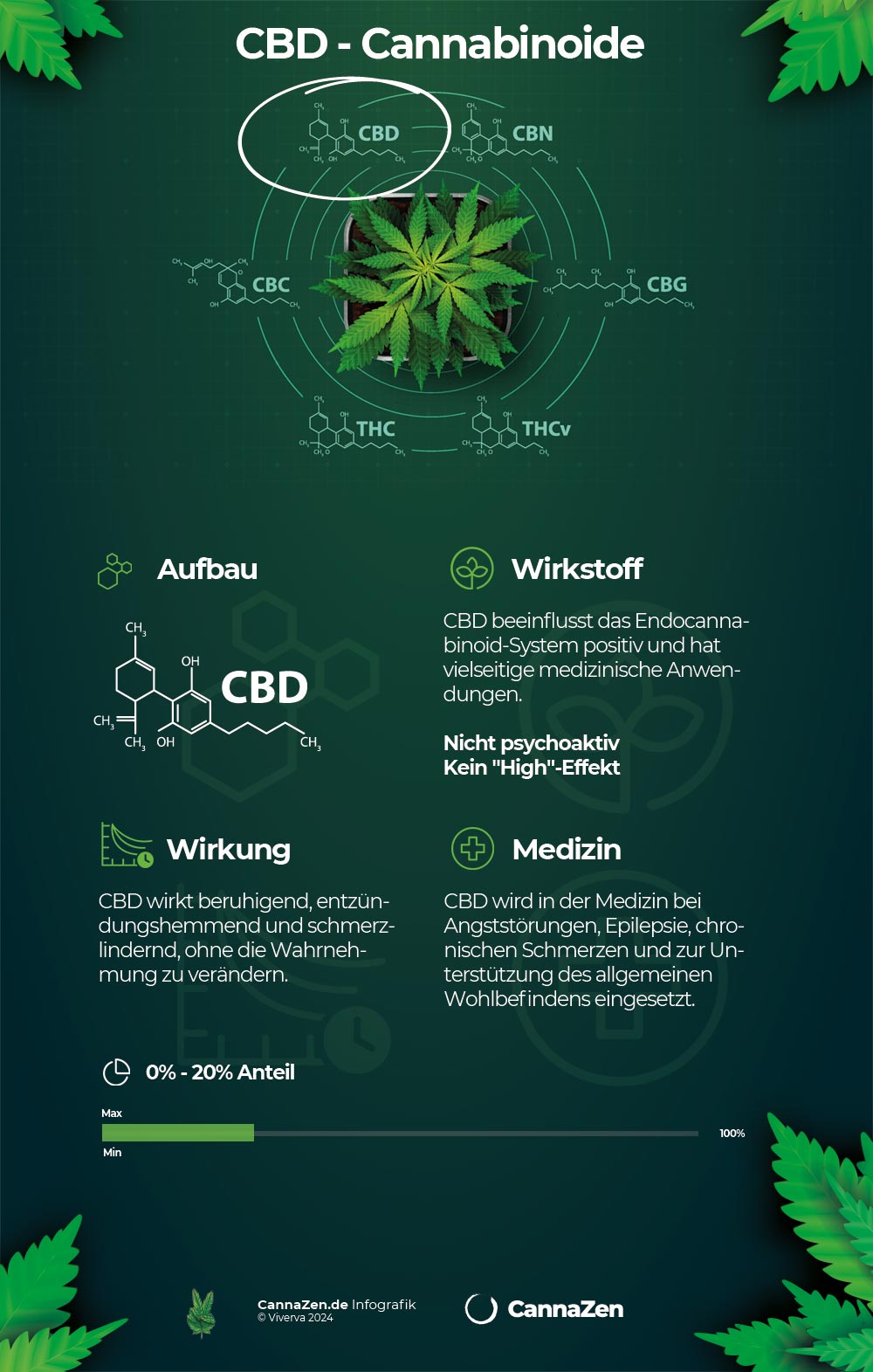
Cannabinoide in Cannabis: CBD
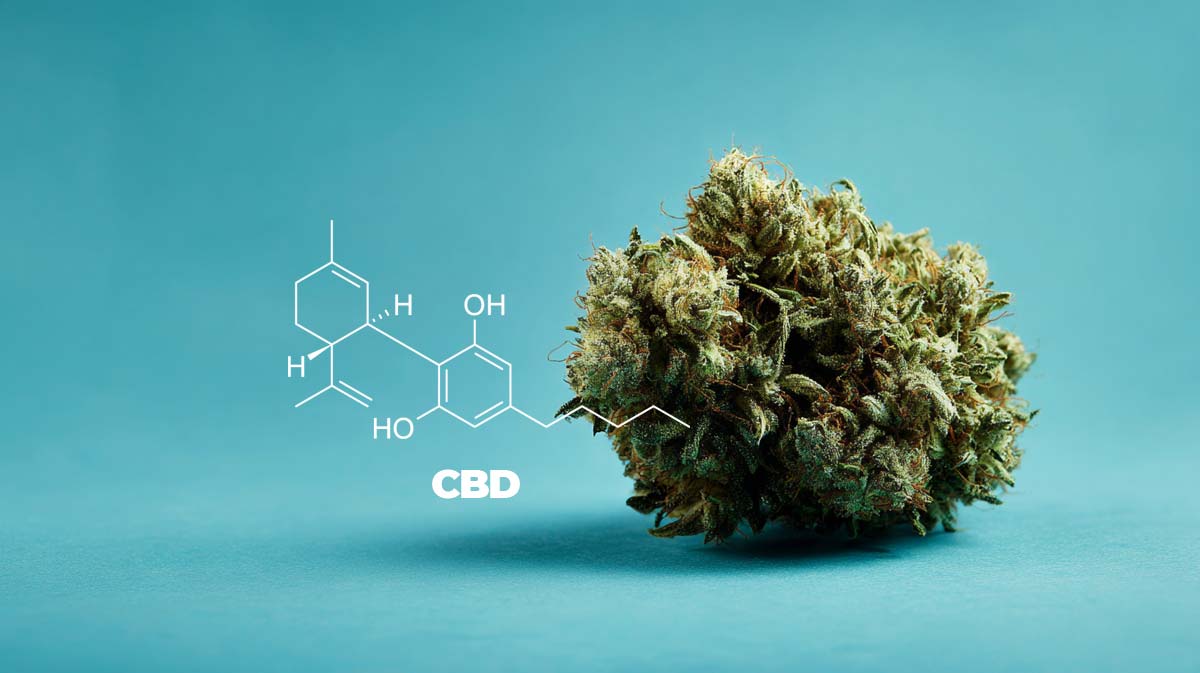
CBD is a non-psychoactive active ingredient from the hemp plant. Unlike THC, it does not make you “high” and is legally available in small quantities. CBD has a proven anti-inflammatory and calming effect and can partially reduce muscle tension. Nevertheless, the scientific evidence is thinner than the advertising promises – important for realistic expectations.
- No high like THC
- Anti-inflammatory, relaxing
- Freely available in many products
CBD in everyday life: oil, ointments, coffee & smoothies
A store in Berlin sells CBD ointments for sports injuries and muscle pain. Other products: CBD in gel, in chewing gum, in energy drinks. A café mixes CBD into cappuccino & pastries – as a calming supplement. Users report less stress & relaxation in everyday life.
- CBD ointments for muscle pain
- CBD Coffee & Smoothies
- Wellness, relaxation, lifestyle
Testimonials: When CBD does help
People report better sleep, less stress, relaxed muscles and relief from anxiety or traumatic stress. An example in the article (video below): A visitor with post-traumatic stress disorder uses CBD regularly, feels physical relaxation & less panic – which gives him back stable everyday life.
- Reports on stress reduction
- PTSD: relaxation & less panic
- Improved sleep & regeneration
What do researchers & doctors say?
Experts emphasize: There is a lack of data for broad therapeutic use. Efficacy is currently assured for epilepsy in children – there are indications for pain, rheumatism, cancer and anxiety disorders, but no clear clinical evidence, even for being pain-free in old age. Many products also contain too low a dosage to be medically effective.
- Documented: Epilepsy in children
- Remainder: Indications, but not proven
- Dosage often too low
CBD, miracle solution or modern hype?
CBD can help – but not everyone. It is not a panacea, a substitute for medication or a guaranteed therapeutic success. For some it has a noticeable effect, for others hardly any. Advantage: CBD is not addictive & has few side effects compared to many medications. Anyone using it should check the quality & remain realistic.
- Low harm, non-addictive
- Useful for some patients
- Not a miracle cure – can be tested individually