
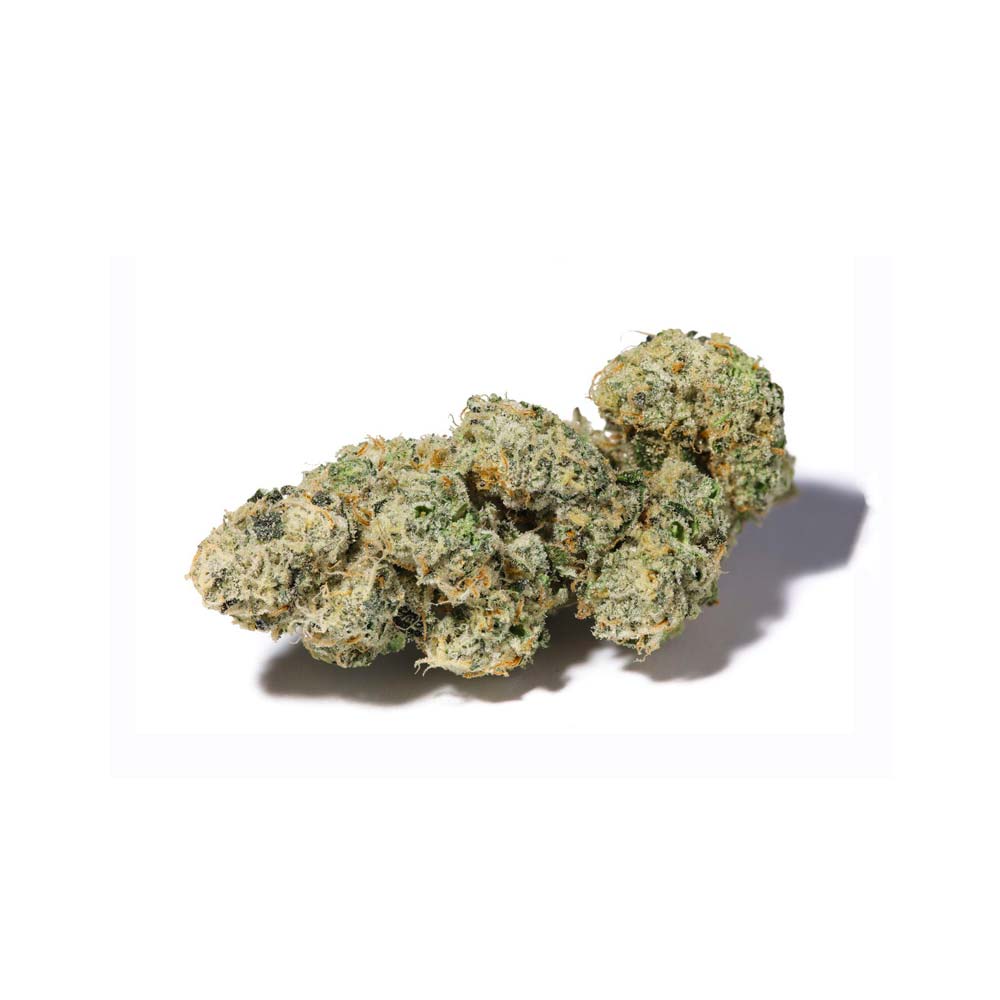
Lemon Skunk Strain UK Guide: Effects, THC Content & Medical Information
Lemon Skunk is a sativa-dominant hybrid that has gained significant popularity across the UK cannabis community. This comprehensive guide covers everything you need to know about the Lemon Skunk strain, from its genetics to its potential medical applications and legal status in the United Kingdom.
Genetics & Lineage
Lemon Skunk was developed by Amsterdam-based breeders Barney’s Farm, who crossed two legendary strains to create this distinctive cultivar. The strain is a hybrid of Citral #13 and Skunk #1, blending the vibrant citrus characteristics of Citral #13 with the stable, potent genetics of the iconic Skunk #1.
This genetic combination produces a plant that exhibits approximately 60% sativa and 40% indica traits, resulting in balanced effects that appeal to both recreational and medicinal users. The breeding was specifically designed to enhance the lemon aromatics whilst maintaining the robust yield and stability Skunk #1 is renowned for.
THC & CBD Content
Lemon Skunk typically contains THC levels ranging from 15% to 20%, with some phenotypes reaching up to 22% in optimal growing conditions. This moderate-to-high THC content makes it suitable for experienced consumers seeking noticeable psychoactive effects without extreme potency.
The CBD content in Lemon Skunk is generally low, typically below 1%, which means the strain offers limited direct cannabidiol benefits. However, the presence of other cannabinoids and terpenes contributes to the entourage effect, potentially enhancing overall therapeutic value.
Effects Profile
Users of Lemon Skunk commonly report the following effects:
- Uplifting and euphoric mental state
- Enhanced focus and mental clarity
- Increased creative thinking and motivation
- Gentle body relaxation without sedation
- Improved mood and sense of wellbeing
- Mild energetic sensation
- Social enhancement and chattiness
- Reduced anxiety (at lower doses)
The onset of effects typically occurs within 5-15 minutes of consumption, with peak effects lasting 2-3 hours. The sativa dominance ensures mental stimulation remains prominent, whilst the indica genetics provide sufficient body relaxation for all-day use without causing couch-lock.
Terpene Profile
The distinctive character of Lemon Skunk derives primarily from its terpene composition. The dominant terpenes include:
Limonene: The primary terpene responsible for the strain’s signature lemon aroma. Limonene is associated with mood elevation, stress relief, and potential anti-inflammatory properties.
Myrcene: Present in moderate quantities, myrcene contributes herbal notes and may enhance the relaxing body effects whilst promoting the passage of other cannabinoids across the blood-brain barrier.
Pinene: This terpene adds subtle piney undertones and is believed to support alertness and memory retention, complementing the uplifting sativa effects.
Caryophyllene: Contributing spicy, peppery notes, caryophyllene is the only known dietary cannabinoid that binds to CB2 receptors, potentially offering anti-inflammatory benefits.
Flavour & Aroma
Lemon Skunk delivers a distinctive sensory experience that justifies its name. The aroma is predominantly citrus-forward, with strong lemon and lime notes that are immediately apparent when opening a container. These bright, zesty top notes are complemented by earthy, slightly skunky undertones that emerge during grinding.
The flavour profile mirrors the aroma closely, offering fresh lemon and sweet citrus on inhalation, followed by subtle herbal and earthy notes on the exhale. Some users detect hints of grapefruit or tangy sweetness, particularly in well-cultivated samples. The smoke is generally smooth and pleasant, though the citrus intensity can be somewhat sharp for sensitive palates.
Medicinal Uses & Therapeutic Potential
Whilst clinical evidence remains limited in the UK due to legal constraints, anecdotal reports and preliminary research suggest Lemon Skunk may offer several therapeutic applications:
Mood Disorders: The uplifting effects make it potentially useful for managing depression and low mood, though users with anxiety should exercise caution at higher doses.
Fatigue & Low Energy: The sativa dominance and reported energetic properties make Lemon Skunk popular amongst those managing chronic fatigue or requiring daytime symptom relief.
Lack of Appetite: Like many cannabis strains, anecdotal evidence suggests potential appetite stimulation, which may benefit individuals managing chemotherapy side-effects or eating disorders.
Stress & Tension: The balanced effects may help alleviate everyday stress, though the stimulating nature means it is best consumed earlier in the day.
Pain Management: The gentle body relaxation suggests potential mild analgesic properties, though stronger pain relief strains are typically recommended for severe discomfort.
Growing Characteristics
Lemon Skunk is valued by UK growers for its resilience and reasonable flowering time of 8-10 weeks. The plants typically exhibit vigorous growth and good yields, making them suitable for both beginners and experienced cultivators. Indoor growing often produces superior citrus aromatics compared to outdoor cultivation.
Medical Cannabis Availability in the UK
Since November 2018, cannabis-derived medicinal products have been legal for prescription in the United Kingdom under strict conditions. However, access remains highly restricted.
Legal Prescriptions: Lemon Skunk is not available as a standardised pharmaceutical product on the NHS. Prescription medical cannabis in the UK is limited to specialist products like Sativex (nabiximols) and Epidyolex (cannabidiol), typically reserved for specific conditions such as multiple sclerosis, epilepsy, or chemotherapy-induced nausea.
Private Clinics: Several private telehealth and clinic services now offer medical cannabis prescriptions, potentially including whole-flower strains or cannabis-derived products. Costs typically range from £150-£300 for consultations, with monthly prescriptions £250-£600+.
Legal Status: Lemon Skunk remains a Schedule 2 controlled substance under the Misuse of Drugs Act 1971. Possession without medical prescription remains illegal, with potential penalties including imprisonment and criminal records.
Conclusion
Lemon Skunk strain offers UK users a balanced, sativa-dominant experience with distinctive citrus aromatics and moderate THC potency. Whilst clinical evidence remains limited, the strain’s popularity amongst medical users suggests genuine therapeutic potential for mood elevation, fatigue management, and stress relief. However, those seeking medical cannabis should explore legal options through private clinics or licensed healthcare providers rather than unregulated sources. Always consult healthcare professionals before using cannabis medicinally.
Further Reading
- Banana OG Strain — Effects, THC, UK Guide
- Animal Cookies Strain — Effects, THC, UK Guide
- Pineapple Express Strain — Effects, THC, UK Guide
- Black Domina Strain — Effects, THC, UK Guide