
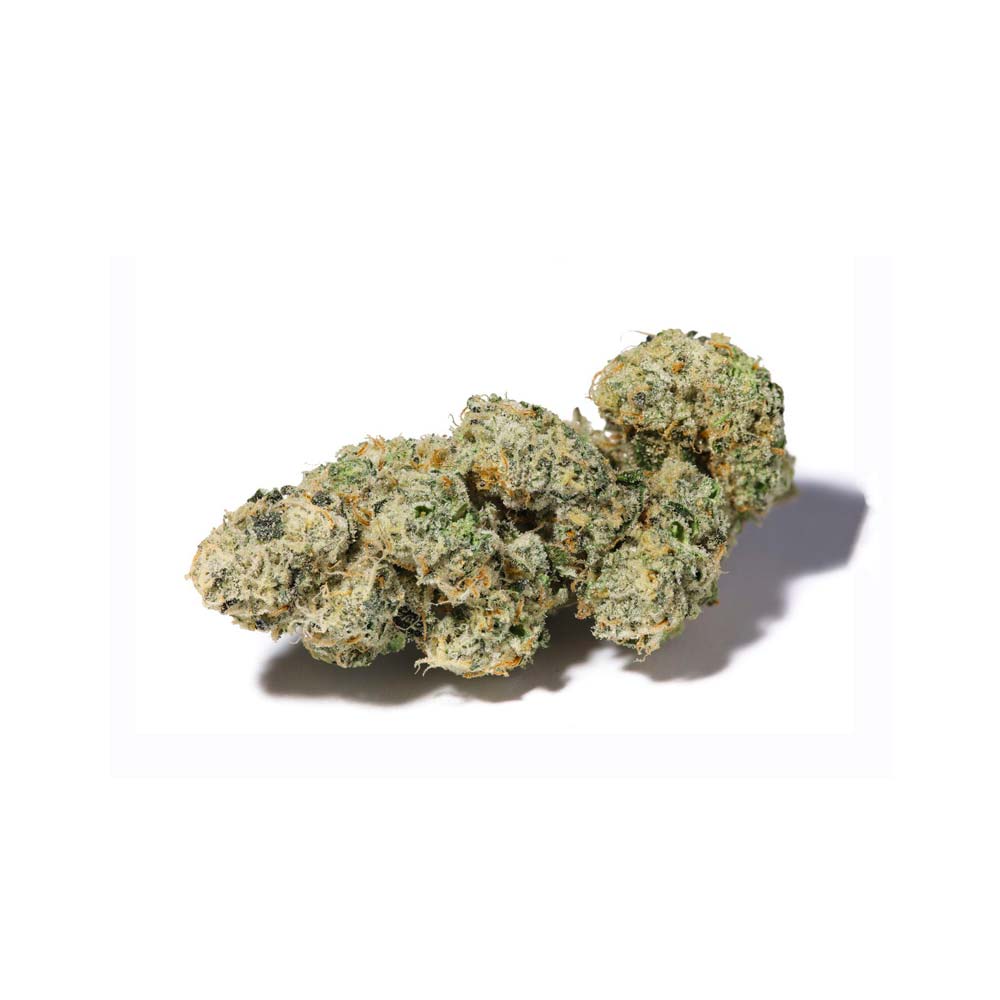
Durban Poison Strain Guide UK: Pure Sativa Cannabis
Introduction to Durban Poison Strain
Durban Poison is one of the world’s most renowned pure sativa strains, originating from the port city of Durban in South Africa. This legendary cultivar has become increasingly discussed within UK cannabis circles, particularly amongst those interested in sativa-dominant effects and energising properties. The Durban Poison strain represents a unique genetic heritage, having developed naturally in the subtropical climate of South Africa before gaining international recognition.
Genetics and Lineage
The Durban Poison strain is exceptionally rare in the cannabis world—it’s a pure sativa landrace with no indica genetics, making it genetically distinct from most modern hybrids. This strain emerged naturally in the Durban region of South Africa, developing over centuries in the region’s warm, humid climate. Unlike most contemporary cannabis strains that result from carefully planned crosses, Durban Poison evolved through natural selection in its native environment.
The strain’s purity is a defining characteristic. It contains no indica heritage, which accounts for its distinctive tall plant structure, longer flowering period, and uniquely cerebral effects. This genetic lineage has remained relatively consistent since its international introduction in the 1970s and 1980s, though various breeders have since created derivatives by crossing Durban Poison with other strains to create hybrids.
THC and CBD Content
Durban Poison strain typically contains moderate to high THC levels, generally ranging between 15-25% depending on growing conditions and phenotype selection. Most UK cultivars report THC content around 18-22%, making it a moderately potent strain suitable for experienced users.
CBD content is minimal in Durban Poison, usually below 1%, which is consistent with most pure sativa strains. This low cannabidiol level means the strain’s effects are primarily mediated through THC interaction with the endocannabinoid system, resulting in predominantly psychoactive rather than sedative effects.
Effects of Durban Poison Strain
Users commonly report the following effects from Durban Poison:
- Mental clarity and focus—many report enhanced concentration for creative or analytical work
- Energising and uplifting sensation, ideal for daytime consumption
- Enhanced motivation and productivity
- Euphoric and mood-elevating properties
- Cerebral stimulation with minimal body heaviness
- Potential increased social engagement and talkativeness
- Mild psychedelic effects at higher doses
- Generally minimal sedation or couch-lock
These effects distinguish Durban Poison from indica or hybrid strains, making it particularly appealing to users seeking daytime use without pronounced relaxation or sleepiness. However, individual responses vary considerably based on tolerance, metabolism, and consumption method.
Terpene Profile
The Durban Poison strain’s distinctive character derives significantly from its terpene composition. The primary terpenes include:
Myrcene: Often the dominant terpene, myrcene contributes earthy, herbal notes and may enhance the strain’s overall efficacy through the entourage effect.
Pinene: Present in notable concentrations, pinene delivers pine and woody aromatics whilst potentially offering anti-inflammatory properties and enhanced alertness.
Limonene: Contributing citrus characteristics, limonene may elevate mood and provide stress-relieving properties.
Caryophyllene: This spicy, peppery terpene is present in moderate amounts and may offer anti-inflammatory benefits.
Flavour and Aroma
Durban Poison strain exhibits a distinctive sensory profile that distinguishes it from other cultivars. The aroma is typically described as:
Sweet and pungent, with prominent citrus and anise notes complementing earthy undertones. Many users detect hints of spice, pine, or tropical fruit, depending on phenotype and growing conditions. The smell can be quite potent, particularly when buds are handled or ground, making discreet storage advisable.
The flavour profile mirrors the aroma, with most users reporting sweet, citrusy, and slightly spicy tastes on inhalation. Some phenotypes deliver more pronounced fruity or tropical notes, whilst others emphasise the herbal, pine-like qualities. The smoke or vapour is generally smooth for a pure sativa, though some find it slightly harsh when combusted at high temperatures.
Medicinal Uses and Potential Benefits
Within the context of UK medical cannabis discussions, Durban Poison strain may offer potential therapeutic applications, though research remains limited:
Depression and Mood Disorders: The uplifting, euphoric effects may benefit individuals experiencing low mood, though clinical evidence is limited.
Fatigue and Low Energy: The energising properties make Durban Poison potentially suitable for managing tiredness or lack of motivation.
Attention and Concentration: Some users report enhanced focus, potentially beneficial for ADHD symptoms, though clinical evidence is absent.
Chronic Pain: Whilst not typically used for pain management due to its sativa nature, some users report mild analgesic properties.
Stress and Anxiety: The cerebral, uplifting effects may help manage stress for some individuals, though anxiety-prone users might find pure sativas anxiety-inducing.
UK Medical Cannabis Availability
In the United Kingdom, cannabis remains a Schedule 1 controlled substance under the Misuse of Drugs Act 1971. However, since November 2018, medical cannabis has been available for prescription in limited circumstances through the NHS and private clinics for patients with specific conditions.
Durban Poison strain is not typically available through NHS cannabis services. The NHS currently approves limited cannabis-based medicinal products (CBPMs) and whole-plant cannabis only for specific conditions including refractory epilepsy, chemotherapy-induced nausea, and multiple sclerosis spasticity. Private clinics may occasionally offer whole-plant cannabis options, but availability of specific strains like Durban Poison remains extremely limited.
UK patients interested in accessing medical cannabis should consult with their GP or contact private clinics specialising in cannabis-based treatments. Recreational use remains illegal throughout the UK, with possession carrying potential criminal penalties including fines and imprisonment.
Growing Durban Poison in the UK
Cultivating Durban Poison in the UK is legally prohibited without appropriate licensing. However, enthusiasts interested in the strain’s characteristics should note that as a pure sativa landrace, it requires extended flowering periods (typically 8-9 weeks minimum) and prefers warm, humid conditions—factors that make UK outdoor cultivation challenging. Indoor cultivation would be necessary to replicate Durban’s subtropical climate requirements.
Conclusion
Durban Poison strain represents a unique genetic heritage as one of cannabis’s few pure sativa landraces. Its distinctive energising effects, moderate THC content, and complex terpene profile make it notable amongst cannabis enthusiasts. Whilst medical availability remains limited in the UK, understanding the Durban Poison strain contributes to broader cannabis education and awareness. Anyone in the UK seeking cannabis for medical purposes should consult healthcare professionals regarding legal options and suitability for their specific circumstances.