
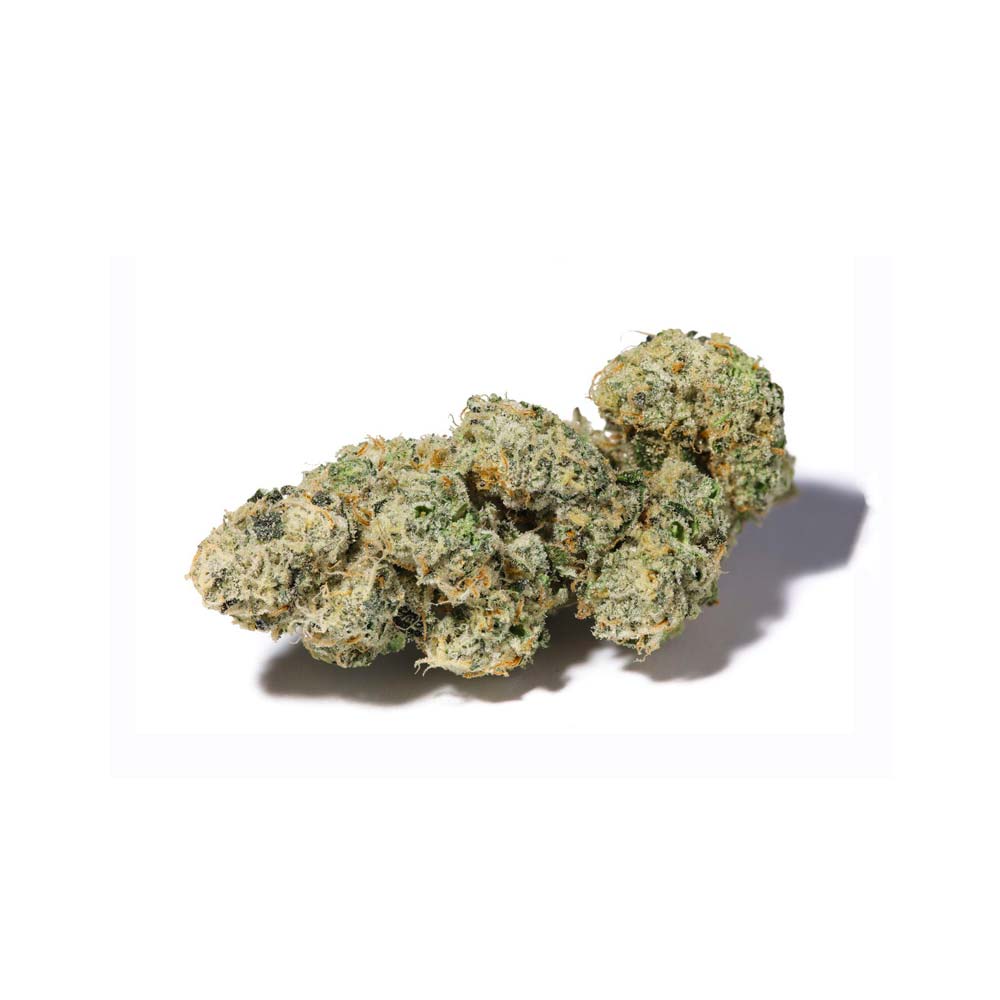
Medical Cannabis for Dementia Patients in the UK: A Comprehensive Guide
Introduction
Dementia presents significant challenges for patients and their carers, with behavioural and psychological symptoms often proving as difficult to manage as cognitive decline. Agitation, sleep disturbances, reduced appetite, and emotional dysregulation frequently require intervention. In recent years, medical cannabis has emerged as a potential therapeutic option in the UK, following its reclassification in November 2018. This guide explores the evidence, access pathways, and ethical considerations surrounding medical cannabis for dementia management.
Understanding Medical Cannabis in the UK
Medical cannabis products in the UK contain cannabinoids, primarily tetrahydrocannabinol (THC) and cannabidiol (CBD). Unlike recreational cannabis, medical cannabis is prescription-only and must be approved by a specialist doctor. Products are manufactured under strict pharmaceutical standards and regulated by the Medicines and Healthcare products Regulatory Agency (MHRA). The most commonly prescribed products include Sativex (nabiximols) and nabilone, both available through the NHS in specific circumstances.
Agitation and Behavioural Symptoms
Agitation affects approximately 40-50% of dementia patients, causing distress to both individuals and carers. It manifests as physical aggression, verbal hostility, restlessness, and resistance to care. Traditional treatments—particularly antipsychotic medications—carry significant risks, including increased mortality rates and stroke risk in older adults. Medical cannabis, particularly CBD-dominant formulations, has shown promise in preliminary research for reducing anxiety-related behaviours without the serious adverse effects associated with conventional antipsychotics.
Cannabidiol appears to interact with serotonin receptors, potentially producing anxiolytic effects. Small observational studies and case reports suggest improvements in agitation when standard treatments have proven ineffective or unsafe. However, most evidence remains limited, and well-designed randomised controlled trials specifically examining cannabis in dementia agitation remain unavailable.
Sleep Disturbances
Sleep problems affect up to 80% of dementia patients, significantly impacting quality of life and caregiver wellbeing. Circadian rhythm disruption, nocturnal wandering, and insomnia contribute to increased hospitalisation and institutional care placement. Traditional sleep aids, including benzodiazepines and sedating antipsychotics, pose risks including falls, confusion, and dependency.
Some evidence suggests cannabinoids may improve sleep architecture. THC-dominant products may reduce sleep latency, whilst CBD may address underlying anxiety contributing to insomnia. A limited body of research indicates potential benefits, though mechanisms remain incompletely understood. Most evidence derives from chronic pain or anxiety studies rather than dementia-specific populations. Sleep outcomes in dementia patients receiving medical cannabis warrant further investigation through rigorous clinical trials.
Appetite and Nutritional Support
Dementia frequently causes weight loss, malnutrition, and decline in nutritional intake. Loss of appetite, swallowing difficulties, and disinterest in food contribute to serious health complications. Encouraging adequate nutrition presents a significant challenge for carers. Traditional appetite stimulants remain limited in effectiveness and safety profile.
THC is known to stimulate appetite through interactions with cannabinoid receptors in appetite-regulatory brain regions. This orexigenic effect represents one of cannabis’s more consistently documented properties. For dementia patients experiencing significant appetite loss, medical cannabis—particularly THC-containing products—might help restore eating behaviour and support nutritional status. However, evidence specific to dementia populations remains sparse, and appetite stimulation alone may not overcome swallowing or dysphagia-related eating difficulties.
Current Evidence Base
Evidence supporting medical cannabis for dementia remains limited. The Cochrane Collaboration found insufficient evidence to recommend cannabis for behavioural and psychological symptoms of dementia. Most studies involve small sample sizes, lack appropriate controls, or examine cannabis in other conditions rather than dementia specifically.
Nevertheless, some observational data and clinician reports suggest potential benefits in selected patients. A 2021 systematic review identified only six studies examining cannabinoids in dementia, highlighting the evidence gap. Additionally, cannabinoid effects vary significantly between individuals, and dementia-specific responses may differ from responses in younger, cognitively intact populations. The heterogeneity of dementia types adds further complexity.
Research continues through various institutions, but robust randomised controlled trials specifically examining medical cannabis in dementia remain urgently needed to establish efficacy, optimal dosing, and long-term safety profiles.
Accessing Medical Cannabis Prescriptions
Following November 2018’s reclassification, specialist doctors can prescribe medical cannabis products. However, access remains restricted and challenging. Prescriptions require:
- Referral to a specialist with expertise in cannabinoid therapeutics
- Documentation that conventional treatments have failed, are unsuitable, or contraindicated
- Demonstrated potential benefit based on available evidence
- Specialist assessment and ongoing monitoring
NHS prescriptions are rarely issued; most patients access medical cannabis through private consultations at specialist clinics. Costs typically range from £150-£300 for initial consultations, with prescriptions costing £100-£300 monthly. Some private clinics have developed expertise in dementia care, but inconsistent standards and limited regulation characterise the private sector.
For carers seeking NHS access, documenting previous treatment attempts and requesting specialist neurology or psychiatry referrals improves chances. Private routes, whilst expensive, offer faster access when patients’ conditions warrant urgent intervention. Patient advocacy organisations increasingly facilitate referrals to regulated private specialists.
Ethical Considerations
Medical cannabis for dementia raises several ethical concerns. Capacity and consent become problematic when patients lack decision-making ability regarding novel treatments. Whilst carers can make surrogate decisions, determining whether medical cannabis represents patients’ best interests requires careful consideration. Carers may experience guilt regarding previous treatment refusals, potentially influencing decisions about cannabis trials.
Cost inequity is significant; wealthy families access private prescriptions whilst poorer families lack options. This creates healthcare disparities inconsistent with NHS principles. Additionally, incomplete evidence means some patients may experience harms without demonstrable benefits, raising questions about research ethics and experimentation boundaries.
The stigma surrounding cannabis—despite medical reclassification—may prevent open discussions between families and healthcare professionals. Transparency about evidence limitations, realistic expectations, and potential risks remains essential. Carers should never feel coerced toward medical cannabis or away from it; individual assessments must guide decisions.
Conclusion
Medical cannabis represents an emerging option for dementia patients with specific symptoms unresponsive to conventional treatments. Evidence supporting its use remains limited but encouraging for agitation, sleep, and appetite. Access pathways require navigation of both NHS bureaucracy and private costs. Ethical practice demands transparency about evidence limitations, careful capacity assessments, and individualised risk-benefit analyses. Future research must prioritise dementia-specific trials to clarify medical cannabis’s role in comprehensive dementia care strategies. For now, it remains a specialist consideration within multifaceted treatment approaches.
Further Reading
- Best Cannabis Strains for Multiple Sclerosis UK
- Sativa vs Hybrid UK — Difference, Effects, When to Use