
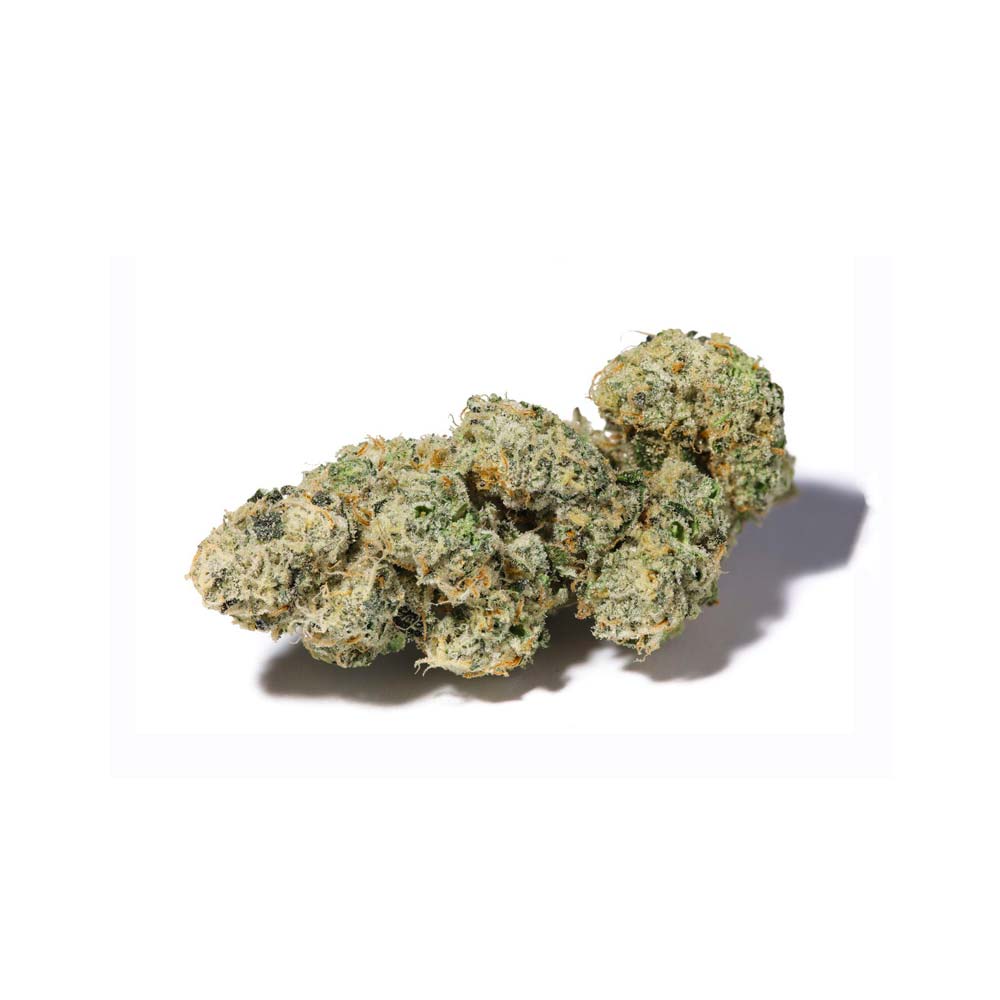
Cannabis and Mental Health in the UK: A Balanced Guide
Introduction
Cannabis remains a complex and often misunderstood substance in the UK. With changing legislation, ongoing research, and increasing public interest, understanding the relationship between cannabis and mental health is crucial. This guide presents a balanced overview of both potential benefits and significant risks, alongside practical harm reduction strategies.
Potential Benefits for Mental Health
Emerging research suggests that cannabidiol (CBD), a non-intoxicating compound in cannabis, may offer therapeutic benefits for specific mental health conditions. It is important to note that evidence remains limited and research is ongoing.
CBD and Anxiety Disorders
Several studies indicate that CBD may help reduce anxiety symptoms. Unlike THC, CBD does not produce intoxication and may actually counteract some of THC’s anxiogenic (anxiety-promoting) effects. Some individuals report reduced generalised anxiety, social anxiety, and panic symptoms when using high-CBD products under medical supervision. The proposed mechanism involves CBD’s interaction with serotonin receptors in the brain.
PTSD and Trauma-Related Conditions
Limited but promising research suggests CBD may help individuals with post-traumatic stress disorder (PTSD). Some studies have found that CBD may reduce hyperarousal, flashbacks, and nightmares in trauma survivors. However, larger clinical trials are needed to establish efficacy and optimal dosing. The UK’s Medical and Healthcare Products Regulatory Agency (MHRA) continues to monitor this research.
Other Potential Applications
Preliminary research suggests CBD may have potential benefits for:
- Sleep disturbances and insomnia
- Chronic pain conditions with comorbid anxiety
- Certain seizure disorders (Epidyolex, a CBD-based medication, is MHRA-approved)
- Inflammatory conditions with psychological components
Significant Risks and Concerns
Whilst CBD shows promise, THC—the primary intoxicating compound—carries substantial risks, particularly for mental health.
THC and Psychosis
One of the most significant risks associated with cannabis use is the link between THC and psychotic disorders. Research consistently demonstrates that:
- Regular THC use increases psychosis risk in susceptible individuals, particularly during adolescence and early adulthood when the brain is still developing
- High-potency cannabis (containing 15% THC or higher) substantially elevates this risk
- Individuals with a family history of schizophrenia or other psychotic disorders face increased vulnerability
- Early-onset use (before age 18) is associated with greater risk
- Psychotic symptoms may persist and contribute to chronic mental health conditions
Other Mental Health Risks
Beyond psychosis, THC-heavy cannabis is associated with:
- Increased anxiety and panic attacks, particularly in high doses
- Depression and amotivation, especially with prolonged use
- Cannabis use disorder and psychological dependence
- Impaired memory and cognitive function
- Increased suicide risk in vulnerable populations
Medical Cannabis vs Street Cannabis
A critical distinction exists between medical-grade cannabis and illicit street cannabis in the UK.
| Factor | Medical Cannabis | Street Cannabis |
|---|---|---|
| THC:CBD Ratio | Strictly controlled; often high-CBD formulations available | Highly variable; often THC-dominant (15-25% THC) |
| Quality Control | Rigorous testing; pharmaceutical standards | No oversight; contamination risks (pesticides, moulds) |
| Potency | Precise dosing; standardised strength | Unpredictable potency |
| Medical Oversight | Prescribed and monitored by healthcare professionals | No professional supervision |
| Accountability | Manufacturers held to strict standards | No accountability or recourse |
| Legality in UK | Legal when prescribed for specific conditions | Illegal; Class B drug |
Accessing Medical Cannabis in the UK
Since 2018, cannabis has been classified as a Schedule 2 medication in the UK, meaning it can be prescribed by specialist doctors for specific conditions. However, access remains limited:
- Available through NHS in exceptional cases or private prescription
- Typically prescribed for chemotherapy-induced nausea, certain seizure disorders, and multiple sclerosis spasticity
- Off-label use for anxiety and PTSD is rare and currently under research
- Consultation with a neurologist or specialist is usually required
Harm Reduction Strategies
For those who choose to use cannabis, harm reduction principles can minimise risks:
- Prioritise CBD-dominant products if using cannabis; avoid high-THC strains
- Avoid use before age 25 when possible, as the brain continues developing
- Don’t use if you have a personal or family history of psychosis or schizophrenia
- Limit frequency and quantity; daily use significantly increases mental health risks
- Never drive or operate machinery under the influence
- Avoid mixing with alcohol or other substances
- Monitor your mental health; seek help if experiencing paranoia, unusual thoughts, or mood changes
- Consider non-smoking methods (vaporisation, edibles) to reduce respiratory harm
- If purchasing illegally (where decriminalised), test products if possible and purchase from trusted sources
When to Seek Professional Help
Contact your GP or mental health services immediately if you experience:
- Persistent paranoid thoughts or beliefs
- Hallucinations or unusual perceptions
- Severe anxiety or panic attacks
- Depression or suicidal thoughts
- Cannabis dependence or difficulty reducing use
Conclusion
The relationship between cannabis and mental health is nuanced. Whilst CBD shows promise for anxiety and trauma-related conditions, THC poses significant risks—particularly psychosis—especially for vulnerable populations. The distinction between high-quality medical cannabis and illicit street products is substantial and critical for safety. If considering cannabis for mental health, professional guidance is essential. For most people, evidence-based treatments like therapy and prescribed medications remain the safest first-line options for mental health conditions.
Further Reading
- Cannabis and Mental Health UK — Risks, Benefits, Medical Use
- CBD for Anxiety UK – Does It Work?
- Cannabis for Anxiety UK