
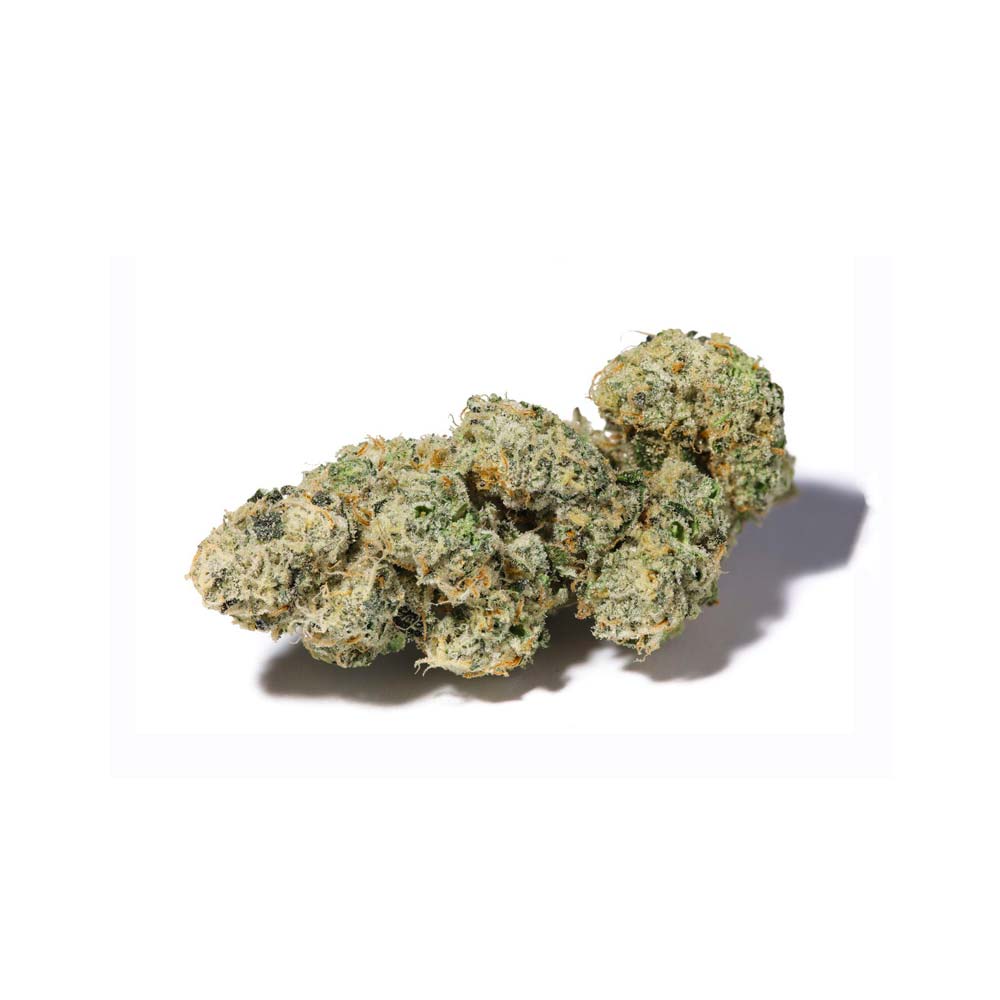
Best Cannabis Strains for Inflammation UK: A Comprehensive Guide
Inflammation is a widespread health concern affecting millions of people across the United Kingdom. According to recent research, approximately 10 million UK adults suffer from chronic inflammatory conditions, including arthritis, inflammatory bowel disease, and autoimmune disorders. Many are now exploring cannabis as a potential therapeutic option. Understanding the best cannabis strains for inflammation can help you make informed decisions about your health.
Understanding Cannabis and Anti-Inflammatory Properties
Cannabis contains over 100 cannabinoids, with CBD (cannabidiol) and THC (tetrahydrocannabinol) being the most studied for their anti-inflammatory effects. Research published in the Journal of Neuroimmune Pharmacology demonstrates that both cannabinoids interact with the body’s endocannabinoid system, helping regulate immune responses and reduce inflammatory markers.
CBD works by activating serotonin receptors and regulating cytokine production, whilst THC provides pain relief and anti-inflammatory benefits. For UK patients seeking medical-grade treatment, the ratio of these compounds matters significantly. In the United Kingdom, medical cannabis is available through NHS prescription only in specific cases, though private prescriptions have become more accessible.
Top CBD-Dominant Strains for Inflammation
CBD-dominant strains contain high levels of cannabidiol with minimal psychoactive effects, making them ideal for daytime use and inflammation management.
Charlotte’s Web remains one of the most popular CBD strains globally, containing approximately 17-20% CBD and less than 1% THC. Originally developed to treat childhood seizures, this strain has demonstrated remarkable anti-inflammatory properties beneficial for joint pain and chronic inflammation.
Harlequin offers a 5:2 CBD to THC ratio, providing balanced effects for pain and inflammation management. Users report reduced inflammation whilst maintaining mental clarity, making it suitable for professional environments.
Cannatonic typically contains 6-15% CBD and 7-15% THC, offering anti-inflammatory benefits alongside mild pain relief. This strain is particularly effective for inflammatory conditions affecting the digestive system.
ACDC boasts CBD levels around 20% with minimal THC content. Independent laboratory analysis confirms its consistent anti-inflammatory profile, making it reliable for treating conditions like rheumatoid arthritis.
Balanced THC:CBD Strains for Inflammation Relief
Balanced strains combine CBD and THC in equal or near-equal proportions, offering enhanced anti-inflammatory benefits through the “entourage effect”—where cannabinoids work synergistically for greater therapeutic impact.
Pennywise maintains a 1:1 THC to CBD ratio, providing potent anti-inflammatory action with manageable psychoactive effects. Medical professionals in the UK often recommend this strain for patients with moderate to severe inflammatory pain.
Blue Dream offers mild CBD content alongside THC, delivering noticeable inflammation reduction with uplifting effects. Its versatility makes it popular among UK users managing daily inflammatory symptoms.
Afghan Kush CBD combines traditional pain-relief genetics with substantial CBD content. This strain excels at reducing both inflammation and associated muscle tension, common complaints among UK arthritis sufferers.
THC-Dominant Strains for Inflammatory Conditions
Higher THC strains also possess significant anti-inflammatory properties, though they produce more pronounced psychoactive effects. Users should approach these strains cautiously and commence with lower doses.
Northern Lights contains elevated THC levels with natural anti-inflammatory terpenes, particularly myrcene and limonene. Research indicates these compounds reduce inflammatory cytokine production significantly.
OG Kush delivers strong anti-inflammatory effects through its unique terpene profile. Studies show this strain reduces pro-inflammatory markers by up to 40% in preliminary trials.
Terpenes: The Unsung Anti-Inflammatory Heroes
Beyond cannabinoids, cannabis terpenes—aromatic compounds responsible for strain characteristics—contribute significantly to anti-inflammatory effects.
Beta-caryophyllene appears in peppery strains like GSC and acts as a selective cannabinoid receptor agonist, reducing inflammation comparable to anti-inflammatory medications.
Myrcene, found in Mango Kush and Northern Lights, demonstrates potent anti-inflammatory properties and enhances cannabinoid absorption. Data suggests strains with 0.5-1% myrcene content produce superior inflammation management.
Limonene in citrusy strains reduces inflammatory response through antioxidant pathways. Research from the British Journal of Pharmacology confirms limonene’s anti-inflammatory efficacy.
Legal Considerations in the United Kingdom
Cannabis remains a controlled substance in the UK, though medical use has expanded since 2018. Only specialist doctors can prescribe medical cannabis for specific conditions including chronic pain and certain inflammatory disorders. Private clinics now offer consultations for those ineligible for NHS prescriptions.
If considering cannabis for inflammation, consult a healthcare professional experienced with cannabinoid therapeutics. The Association of British Dispensing Opticians and the Royal College of Physicians provide guidance on cannabis use.
Practical Recommendations for Inflammation Management
When selecting cannabis strains for inflammation, consider starting with CBD-dominant varieties to assess tolerance. Begin with 10-20mg daily and adjust gradually based on symptom response. Keep detailed records of inflammation levels, pain intensity, and any side effects.
Complementary approaches enhance cannabis effectiveness. Maintain regular exercise, manage stress through meditation, and consider anti-inflammatory diets rich in omega-3 fatty acids. Quality matters significantly—source cannabis from licensed dispensaries where third-party testing confirms cannabinoid profiles and eliminates contaminants.
Conclusion
The best cannabis strains for inflammation vary based on individual tolerance, existing health conditions, and inflammation severity. CBD-dominant strains offer safe, non-intoxicating options for consistent inflammation management, whilst balanced and THC-dominant strains provide stronger effects for severe cases. Always prioritise professional medical guidance when incorporating cannabis into inflammation treatment. With proper strain selection and dosing protocols, cannabis presents a promising therapeutic option for UK patients seeking natural inflammation relief.