
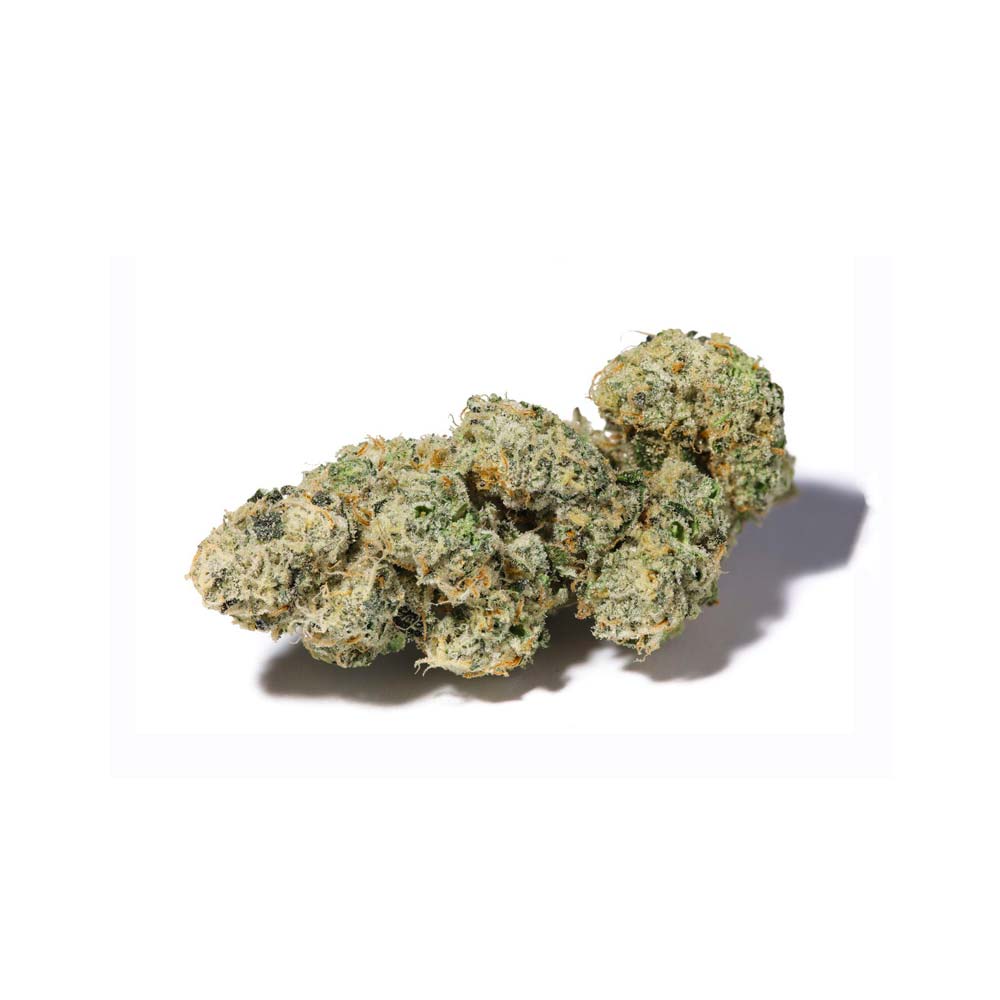
Aurora Indica Strain Guide: Effects, THC Content & UK Medical Information
The Aurora Indica strain represents a cornerstone in cannabis genetics, particularly valued within UK medical circles for its balanced cannabinoid profile and therapeutic potential. This comprehensive guide explores everything UK cannabis consumers should know about the Aurora Indica strain, from its genetic heritage to its current legal status in British medicine.
Aurora Indica Strain Genetics and Lineage
Aurora Indica is an indica-dominant hybrid resulting from the cross between two legendary landrace strains: Afghan and Northern Lights. This breeding combination has produced a strain with robust genetics that reliably express indica characteristics whilst maintaining genetic stability across generations.
The Afghan parent contributes hardy, resinous properties and deep sedative effects typical of Afghan hash plants. Northern Lights, a legendary photoperiod strain, introduces smooth smoke quality and potent cannabinoid production. The result is Aurora Indica—a strain that has influenced numerous modern cultivars and remains a benchmark for indica breeding.
Originally developed in the 1980s and refined throughout the 1990s, Aurora Indica has maintained consistent popularity amongst both recreational and medical cannabis communities worldwide, including growing interest within the UK medical cannabis sector since legalisation in 2018.
THC and CBD Content
Aurora Indica typically presents moderate to high THC levels, ranging between 12-16% THC on average, though some well-cultivated specimens may reach 18-20%. This makes it moderately potent compared to contemporary strains, suitable for both experienced and developing cannabis consumers.
CBD content is generally low to trace levels (below 1%), meaning Aurora Indica functions primarily as a THC-dominant medicine. This profile suits patients seeking THC’s therapeutic benefits without significant CBD modulation. For UK medical patients requiring balanced THC:CBD ratios, Aurora Indica may be combined with higher-CBD strains under medical supervision.
The cannabinoid ratio emphasises sedative and analgesic effects over anti-inflammatory properties associated with higher-CBD strains. UK consultants prescribing Aurora Indica typically recommend it for evening or nighttime administration.
Effects of Aurora Indica Strain
Aurora Indica is renowned for its comprehensive physical and mental effects. Users typically report onset within 15-30 minutes of smoking or vaping, with effects lasting 2-4 hours.
- Relaxation: Pronounced full-body relaxation without excessive sedation
- Pain Relief: Significant analgesic properties benefiting musculoskeletal discomfort
- Sleep Support: Mild sedative effects assisting sleep onset and maintenance
- Mood Elevation: Subtle euphoric effects improving emotional wellbeing
- Appetite Stimulation: Increased appetite, beneficial for cachexia or appetite loss
- Stress Reduction: Effective anxiolytic properties managing generalised anxiety
- Reduced Nausea: Anti-emetic qualities assisting gastrointestinal symptoms
- Mental Clarity: Despite indica classification, maintains reasonable mental functionality at moderate doses
Most users describe Aurora Indica as “grounded” and “comfortable” rather than intensely sedating, making it suitable for daytime use at lower doses, though evening use is more common.
Terpene Profile
Aurora Indica’s distinctive effects derive significantly from its terpene composition. The strain exhibits a complex profile of volatile compounds:
Myrcene is the dominant terpene, contributing earthy, herbaceous notes whilst enhancing the strain’s sedative and analgesic properties. Research suggests myrcene facilitates deeper cannabinoid penetration across the blood-brain barrier.
Caryophyllene provides peppery, spicy undertones and contributes anti-inflammatory and anxiolytic effects. This sesquiterpene has shown particular promise in UK research for pain management applications.
Pinene delivers subtle pine aromas and may enhance cognitive function, potentially counterbalancing excessive sedation. Pinene also possesses bronchodilator properties, benefiting respiratory function when vaporised.
Secondary terpenes including humulene, limonene, and trace amounts of linalool create nuanced flavour complexity and contribute to Aurora Indica’s distinctive therapeutic fingerprint.
Flavour and Aroma Profile
Aurora Indica presents complex sensory characteristics highly regarded by UK cannabis enthusiasts. The aroma combines earthy, herbal base notes with subtle sweetness and spicy undertones reminiscent of black pepper and clove.
Upon consumption, Aurora Indica delivers smooth smoke or vapour with distinctly earthy primary flavours complemented by woody, floral undertones. Many users detect subtle fruity or grape-like notes in the aftertaste, attributed to secondary terpene expressions.
Well-cured Aurora Indica exhibits pleasant, non-harsh smoke characteristics making it accessible to those with respiratory sensitivity when properly vaporised rather than combusted.
Medicinal Uses and UK Medical Applications
Since the UK legalised cannabis-based medicinal products in November 2018, Aurora Indica has gained recognition within British medical frameworks for several therapeutic applications:
Chronic Pain Management: Aurora Indica’s analgesic properties make it valuable for patients with persistent musculoskeletal pain, neuropathic pain, and cancer-related discomfort where conventional analgesia proves insufficient.
Sleep Disorders: Mild sedative effects benefit insomnia and sleep maintenance issues, particularly when conventional sleep medications produce undesirable side effects.
Anxiety Disorders: Anxiolytic properties support generalised anxiety disorder and social anxiety management, offering alternatives to benzodiazepines or SSRIs where appropriate.
Spasticity: Aurora Indica shows promise managing muscle spasticity associated with multiple sclerosis and spinal cord injury, though UK prescriptions more commonly employ higher-CBD strains for this indication.
Appetite Stimulation: Effective for cachexia, chemotherapy-induced appetite loss, and HIV-related weight loss where appetite stimulation proves therapeutically necessary.
Nausea and Vomiting: Anti-emetic properties benefit chemotherapy patients and those experiencing persistent nausea from various conditions.
Aurora Indica Strain UK Medical Cannabis Availability
Accessing Aurora Indica through UK legal medical channels requires consultation with registered medical practitioners. The NHS prescribes cannabis-based products under strict criteria, typically requiring documented treatment failure with conventional medicines.
Private best UK cannabis clinics operating within UK legal frameworks increasingly offer Aurora Indica and Aurora Indica-derived products. Specialist consultants assess individual suitability and prescribe appropriate delivery methods including dried flower, oils, and extracts.
Licensed UK producers cultivate Aurora Indica under Home Office supervision, maintaining pharmaceutical-grade quality control and consistent cannabinoid profiles essential for medical reliability.
UK patients should consult specialist clinics or GPs with cannabis medicine expertise to determine whether Aurora Indica aligns with their therapeutic requirements and legal prescribing eligibility.
Conclusion
Aurora Indica strain remains a cornerstone cannabis variety within UK medical contexts, offering well-established therapeutic potential through balanced genetics, moderate THC content, and distinctive terpene profiles. Its suitability for pain, sleep, anxiety, and appetite management positions it prominently within British medical cannabis frameworks. Individuals considering Aurora Indica should seek guidance from qualified medical professionals within appropriate legal channels.