
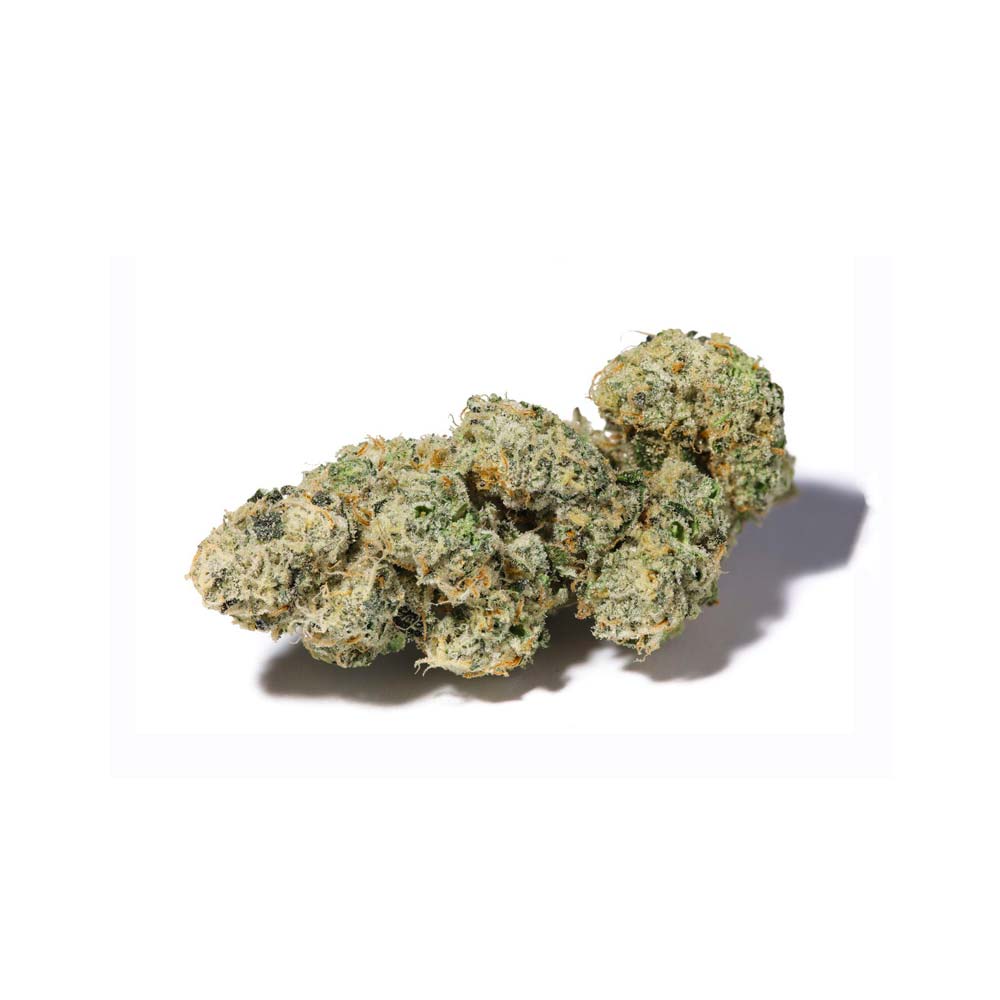
Understanding THC Percentage Strength in the UK
THC percentage has become the primary metric for measuring cannabis potency in the UK market. Understanding these percentages helps consumers make informed decisions about the strength of products available through legal channels and street markets. THC content directly influences the intensity of effects, duration, and potential risks associated with cannabis use.
Average Strength Cannabis (15-20% THC)
Cannabis products containing between 15-20% THC are considered average strength in the UK. This range represents the typical potency of traditionally cultivated cannabis strains and many modern commercial products. Average strength cannabis produces noticeable psychoactive effects while remaining manageable for regular users.
Products in this range typically deliver moderate euphoria, relaxation, and altered perception. New or occasional users may find this strength considerable, potentially causing mild anxiety or paranoia. The duration of effects usually lasts 2-4 hours when smoked, with slower onset and longer duration when consumed as edibles.
Many UK medical cannabis prescriptions fall within this range, reflecting a balance between therapeutic benefit and safety. Strains like traditional Skunk varieties and many indica-dominant hybrids typically contain THC levels between 15-20%.
High Strength Cannabis (20-25% THC)
Cannabis with THC content between 20-25% is classified as high strength. This represents a significant step up from average products and is increasingly common in modern UK markets. High strength cannabis produces pronounced psychoactive effects that appeal to experienced users seeking potent results.
At this potency level, users experience intense euphoria, significant altered perception, and potential short-term memory impairment. The risk of adverse effects like anxiety, paranoia, and tachycardia increases notably. These products require respect and caution, particularly for less experienced consumers.
High strength cannabis typically contains elevated levels of various cannabinoids and terpenes, contributing to more complex effects than lower potency products. Many modern commercial strains, particularly sativa-dominant varieties bred for potency, fall into this category. The effects are more pronounced and longer-lasting compared to average strength products.
Users in this range often report stronger couch-lock effects with indica strains and increased creativity or energy with sativa varieties. Medical users sometimes request products in this range for severe pain, nausea, or sleep disturbances, though careful dosing becomes essential.
Very High Strength Cannabis (25%+ THC)
Cannabis containing 25% THC or higher represents very high strength products. These are among the most potent plant materials available in the UK market. Very high strength cannabis is primarily consumed by experienced, regular users with established tolerance.
Products exceeding 25% THC can produce overwhelming psychoactive effects, including intense euphoria, significant perceptual distortion, and pronounced dissociation. The risk of adverse psychological reactions increases substantially. Users report heightened anxiety, panic, paranoia, and difficulty concentrating.
Very high strength cannabis represents the result of selective breeding focused entirely on THC maximization. Some modern strains exceed 30% THC content. These products demand careful handling and are generally unsuitable for medical use outside specialist prescriptions for severe conditions.
The effects plateau somewhat at very high THC levels, meaning the difference between 25% and 30% is less dramatic than between 15% and 20%. However, the duration and intensity of effects remain significantly elevated compared to lower potency products.
UK Pharmacy Strains and THC Content
Legal cannabis prescriptions in the UK primarily feature specific strains with carefully documented THC content. Medical-grade cannabis differs substantially from street market products through rigorous testing and quality control.
Sativex, a pharmaceutical spray containing equal THC and CBD, contains approximately 2.7mg THC per spray. This extremely controlled dosing suits medical applications where precision matters. Epidyolex, another pharmaceutical product, contains no THC, focusing entirely on CBD for epilepsy management.
Dried flower products available through private UK clinics vary more widely. Tilray and Spectrum Cannabis strains typically range between 10-22% THC. Popular medical strains like MedJane’s products maintain THC levels between 12-18%, balancing therapeutic effects with safety.
GW Pharmaceuticals products, now part of Jazz Pharmaceuticals, include strains specifically cultivated for consistent cannabinoid profiles. These products provide THC levels between 8-20%, depending on the specific strain and intended medical application.
Medical cannabis in the UK emphasizes CBD content alongside THC. Many prescription products contain 5-15% CBD, which modulates THC effects and may reduce anxiety and paranoia associated with high THC exposure. This balanced cannabinoid profile differs markedly from recreational products maximizing THC alone.
Individual Tolerance Factors
THC percentage alone does not determine how strongly someone will respond to cannabis. Individual tolerance factors significantly influence the actual experience. Body weight, metabolism, and regular cannabis consumption history all affect THC sensitivity.
First-time users experience much stronger effects at lower THC percentages than regular consumers. Someone’s body becomes desensitized through repeated exposure, requiring higher THC content to achieve equivalent effects. Heavy daily users might find 15% THC barely noticeable while occasional users feel significantly impaired.
Consumption method substantially affects potency perception. Smoking and vaping deliver faster onset and higher peak concentrations than oral consumption. The same THC percentage produces very different experiences depending on delivery method, affecting subjective strength rating.
Food consumption before use, hydration status, and individual brain chemistry all influence THC response. Some people naturally experience more pronounced anxiety from THC regardless of percentage, while others feel minimal psychological effects from high-strength products.
CBD content and terpene profiles moderately reduce THC’s intensity through interaction with the endocannabinoid system. Products containing higher CBD percentages feel less psychoactive than THC-dominant products at equivalent THC levels.
Environmental factors like stress, expectation, and setting influence subjective strength perception. Consuming in comfortable, safe environments with trusted people produces markedly different experiences than anxious settings.
Practical Guidance on Selection
Choosing appropriate THC strength requires honest assessment of experience and tolerance. Beginners should start with 15% or lower, gradually increasing as familiarity develops. Experienced users exploring new products should start conservatively with unfamiliar strains.
Medical users benefit from discussing their tolerance with healthcare providers, who can recommend appropriate THC-to-CBD ratios for specific conditions. Individual response variation means prescribed strength levels require personal adjustment.
Understanding THC percentage empowers UK consumers to make informed decisions about cannabis consumption, whether accessing medical products or considering recreational use.
Further Reading
- Jack Herer: strain, aroma & THC content
- Jealousy: strain, aroma & THC content
- Acapulco Gold: strain, aroma & THC content