
Medical Cannabis Product Types Available in the UK
Medical cannabis products have become increasingly accessible in the UK following regulatory changes. Understanding the different product types, their administration methods, and efficacy profiles helps patients and healthcare providers make informed decisions. This comprehensive guide covers all available product types, their characteristics, and practical considerations.
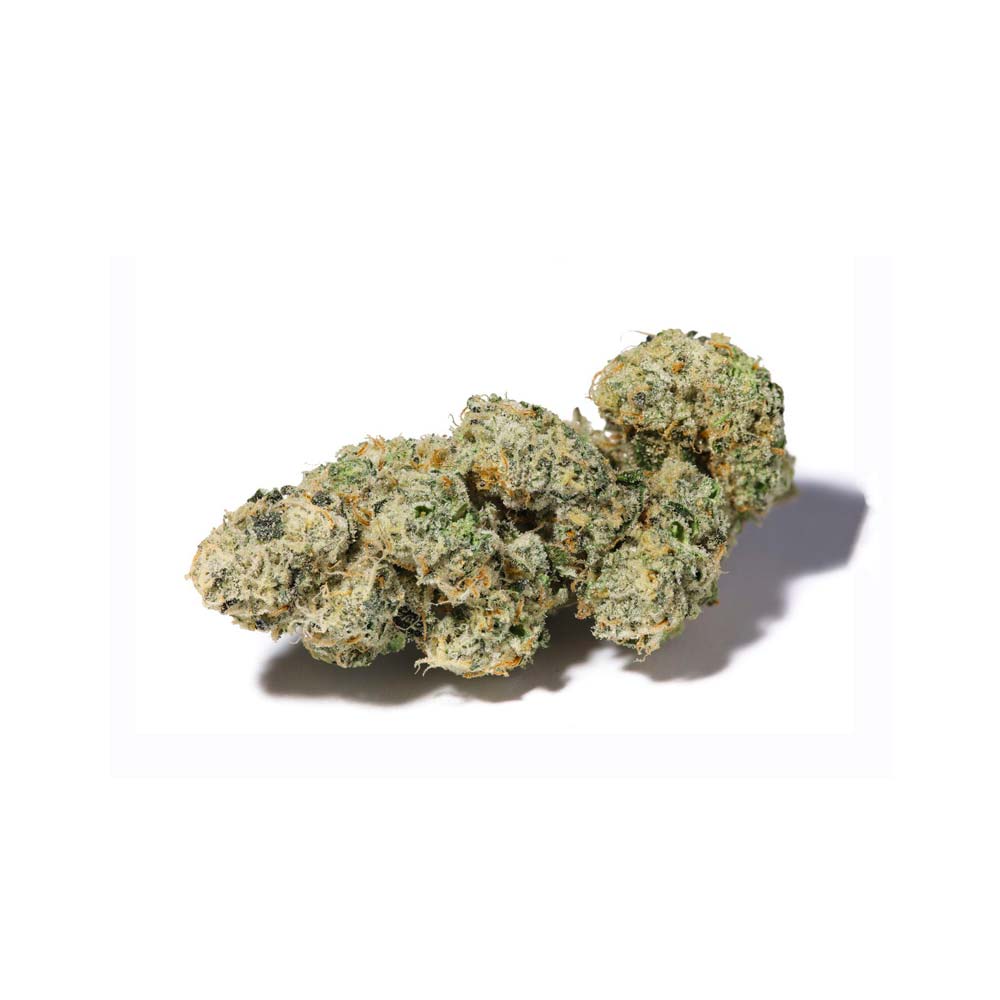
Dried Flower (Cannabis Bud)
Dried flower remains the most commonly prescribed medical cannabis product in the UK. This form consists of the dried flowering material of the cannabis plant, typically containing a full spectrum of cannabinoids and terpenes. The vast majority of patients use vaporisation as the administration method, as this avoids the harmful byproducts of smoking while delivering cannabinoids efficiently.
When vaporised, dried flower has a rapid onset of action, typically between 5-15 minutes, making it suitable for acute symptom management. The effects generally last 2-4 hours, allowing patients to adjust dosing throughout the day. A quality vaporiser is essential for this product type, with devices costing between £80-400. Patients require a prescription and typically spend £5-15 per gram, with monthly costs ranging from £150-400 depending on prescribed dosage.
Dried flower works particularly well for conditions requiring rapid symptom relief, such as breakthrough pain, anxiety, or nausea. Its main advantages include dose flexibility, rapid onset, and the ability to titrate easily. The disadvantages include the need for specialist equipment and the requirement for inhalation, which may not suit all patients.
Cannabis Oil
Cannabis oil represents one of the most versatile and popular prescribed products. These oils are typically delivered sublingually (under the tongue) using a dropper bottle, allowing absorption through the mucous membranes. Most medicinal cannabis oils use MCT (medium-chain triglyceride) as a carrier base, derived from coconut oil, which enhances absorption and provides a neutral taste.
Sublingual administration produces effects within 15-45 minutes, with duration extending to 4-8 hours. This longer duration makes it suitable for chronic condition management and background symptom control. The onset can be variable depending on individual metabolism and whether the patient has eaten recently. Cannabis oils typically cost £8-20 per millilitre, with monthly prescriptions ranging from £200-600.
These oils are ideal for patients who cannot inhale, those requiring sustained symptom management, and individuals seeking discreet administration. Patients must hold the oil under their tongue for 60-90 seconds to optimise absorption. The main disadvantage is the slower onset compared to vaporised flower, making it less suitable for breakthrough symptoms. Dose consistency can also be affected by user technique.
Cannabis Capsules
Capsules provide a convenient, standardised, and discreet oral medication format. These pre-dosed capsules are simply swallowed like standard pharmaceutical medications, eliminating the need for measuring or specialist equipment. The capsules typically contain cannabis oil suspended in a carrier medium.
Oral administration produces the slowest onset of all methods, ranging from 45 minutes to 2 hours, with effects potentially lasting 6-10 hours. This extended duration suits patients requiring all-day symptom management. However, the slow onset makes capsules unsuitable for breakthrough symptom relief. Capsule costs typically range from £10-25 per capsule, with monthly expenses between £300-750 for standard dosing regimens.
Capsules offer superior convenience and are particularly suitable for patients with mobility issues, those managing chronic conditions requiring consistent dosing, or individuals concerned about treatment stigma. The main limitations include unpredictable absorption affected by gastric content and metabolism, inability to adjust doses quickly, and extended duration that some patients find disadvantageous.
Oral Sprays (Sativex)
Sativex represents a specific pharmaceutical product containing a standardised 1:1 CBD to THC ratio. This oromucosal spray is administered directly into the mouth, where the cannabinoids absorb through mucous membranes. Each spray contains precisely measured doses, ensuring consistency.
Onset typically occurs within 15-30 minutes, with effects lasting 4-6 hours. Sativex is specifically licensed for multiple sclerosis spasticity in the UK. The cost is approximately £300-500 monthly for standard prescriptions. The spray format provides excellent dose control and consistency, with easy titration throughout the day.
Sativex suits patients requiring reliable, pharmaceutical-grade products with consistent dosing and those who cannot use other administration methods. Disadvantages include the limited availability, specific indication restrictions, and higher cost compared to other formulations. Some patients report unpleasant taste and mouth irritation.
Topical Products
Cannabis topicals include creams, balms, and gels applied directly to the skin. While not typically prescribed by NHS specialists, some private best UK cannabis clinics may recommend topicals for localised pain or inflammation. These products produce localised effects without significant systemic absorption.
Onset varies from 15-45 minutes for localised effects, with duration extending 4-8 hours. Costs typically range from £10-30 per container. Topicals work best for localised musculoskeletal pain, arthritis, or skin conditions. The main advantage is minimal systemic side effects. However, evidence for efficacy remains limited compared to other routes.
Tinctures
Tinctures are alcohol-based cannabis extracts available through private best UK cannabis clinics. These concentrated liquids are typically taken sublingually or added to beverages. Onset occurs within 15-45 minutes, with effects lasting 4-8 hours. Costs range from £12-25 per bottle monthly, depending on concentration and dosage. Tinctures offer rapid absorption and flexible dosing but may taste unpleasant and are less commonly prescribed than oils.
Comprehensive Comparison Table
| Product Type | Onset Time | Duration | Monthly Cost | Best Use Cases | Key Advantages | Key Disadvantages |
|---|---|---|---|---|---|---|
| Dried Flower (Vaporised) | 5-15 minutes | 2-4 hours | £150-400 | Breakthrough symptoms, acute pain, anxiety | Rapid onset, dose flexibility, titration ease | Requires equipment, inhalation needed, less discreet |
| Cannabis Oil (Sublingual) | 15-45 minutes | 4-8 hours | £200-600 | Chronic pain, background symptom control | Versatile, sustained effects, discreet, no equipment | Slower onset, variable absorption, technique dependent |
| Capsules | 45 minutes-2 hours | 6-10 hours | £300-750 | All-day symptom management, chronic conditions | Most convenient, standardised doses, no measuring | Slowest onset, unpredictable absorption, no adjustment |
| Oral Spray (Sativex) | 15-30 minutes | 4-6 hours | £300-500 | MS spasticity, pharmaceutical consistency | Precise dosing, pharmaceutical standard, rapid | Limited availability, restricted indications, higher cost |