
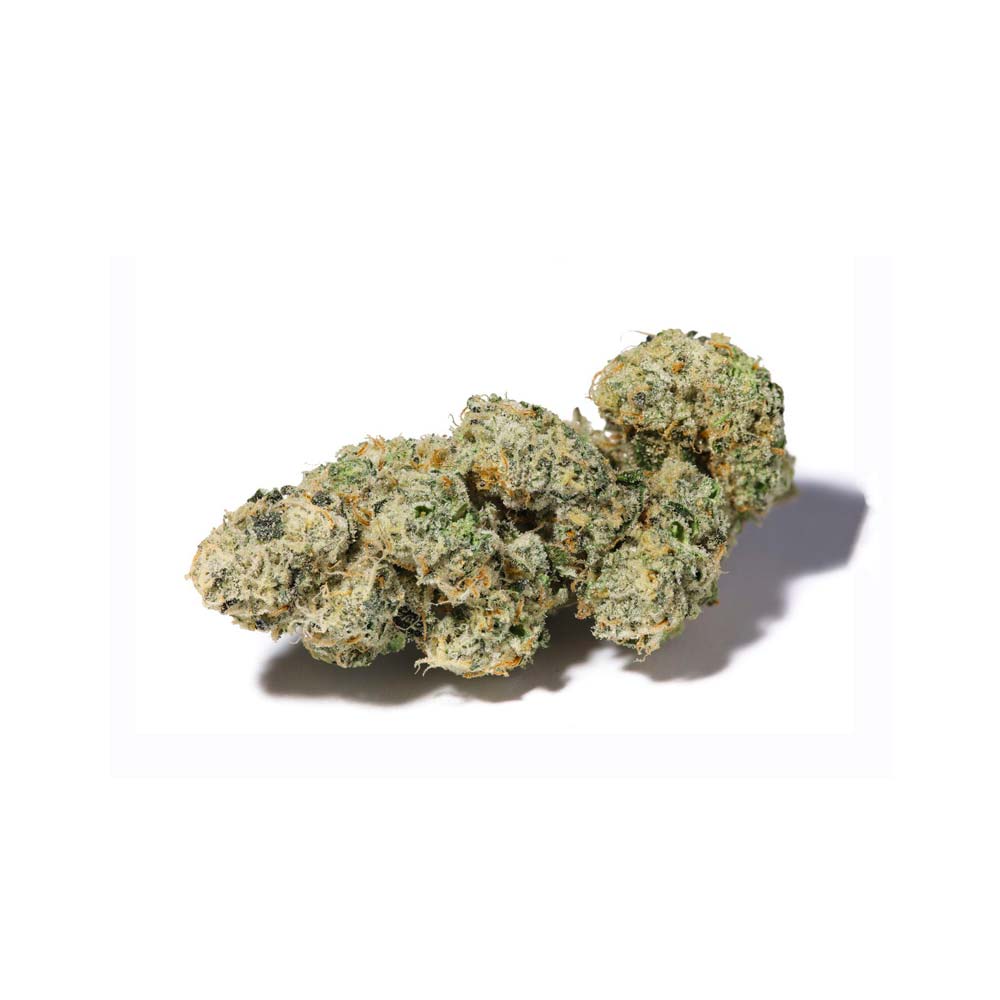
Tutankhamun Strain Guide: Effects, THC & UK Medical Cannabis Information
The Tutankhamun strain is a distinctive cannabis cultivar known for its balanced cannabinoid profile and unique sensory characteristics. This comprehensive UK guide covers everything you need to know about this strain, from its genetic origins to its potential medicinal applications and legal status in Britain.
Tutankhamun Strain Genetics and Lineage
The Tutankhamun strain is a hybrid cultivar with a rich genetic heritage. It was developed by crossing Critical Mass and Hindu Kush, two legendary cannabis varieties renowned for their stability and distinctive characteristics. This combination produces a strain that balances the robust yield potential of Critical Mass with the resilience and potent effects of the Hindu Kush landrace.
The resulting hybrid exhibits approximately 50% indica and 50% sativa characteristics, making it a true balanced hybrid. This genetic composition contributes to its versatile effects profile, appealing to both recreational and medicinal users seeking moderate potency without excessive sedation.
THC and CBD Content
The Tutankhamun strain typically contains moderate to moderately-high THC levels, averaging between 15% and 20%. This moderate potency makes it suitable for consumers with varying tolerance levels, distinguishing it from contemporary high-THC cultivars that often exceed 25%.
CBD content in Tutankhamun is generally low, typically ranging from 0.1% to 0.5%, with most samples testing negligible levels. This cannabinoid profile suggests the strain’s effects are primarily THC-driven, though the presence of minor cannabinoids and terpenes contributes to its overall therapeutic potential through the entourage effect.
Effects of Tutankhamun Strain
Users report a well-balanced effects profile from the Tutankhamun strain:
- Mental clarity – Provides cerebral stimulation without overwhelming cognitive function
- Relaxation – Delivers full-body calm whilst maintaining alertness
- Mood elevation – May enhance mood and provide mild euphoric sensations
- Pain relief – Users report moderate analgesic properties beneficial for chronic discomfort
- Stress reduction – Helpful for managing anxiety and daily tension
- Appetite stimulation – May increase appetite in users experiencing reduced food intake
- Mild sedation – Light relaxation without pronounced couch-lock effects
- Focus enhancement – Suitable for daytime use without significant drowsiness
The balanced hybrid nature means effects tend toward gentle rather than intense, making it popular with users seeking moderate cannabis experiences.
Terpene Profile
The Tutankhamun strain features a distinctive terpene composition that contributes significantly to its effects and sensory properties. Key terpenes typically include:
Myrcene is often the dominant terpene, responsible for herbaceous and earthy notes whilst contributing potential anti-inflammatory and analgesic properties. Caryophyllene adds peppery, spicy character and may provide stress-relief benefits through CB2 receptor interaction. Limonene provides citrus elements and mood-enhancing potential, whilst Pinene contributes pine notes and may support mental clarity.
This terpene combination creates an entourage effect, enhancing the strain’s therapeutic potential beyond its cannabinoid profile alone.
Flavour and Aroma
The Tutankhamun strain offers a complex sensory experience. The aroma is predominantly earthy and herbal, with subtle citrus undertones and a distinctive peppery spice note. Many users detect incense-like qualities reminiscent of its Hindu Kush heritage.
The flavour profile mirrors the aroma, delivering earthy, herbal notes on inhalation with citrus and subtle sweetness developing on the palate. A gentle peppery finish adds complexity to the smoking or vaping experience. These flavour characteristics make Tutankhamun appealing to users who prefer traditional cannabis terpene profiles over artificially sweet cultivars.
Medicinal Uses and Therapeutic Applications
Within the UK’s emerging medical cannabis framework, the Tutankhamun strain’s balanced profile suggests potential therapeutic applications:
Chronic pain management remains the primary indication, with the strain’s analgesic properties suitable for conditions including arthritis, back pain, and neuropathic pain syndromes.
Anxiety and stress disorders may benefit from the strain’s mild relaxation properties without excessive sedation, maintaining functional capacity during treatment.
Appetite stimulation could support patients undergoing chemotherapy or experiencing appetite loss from various conditions, though individual responses vary significantly.
Sleep disorders may respond to light sedative properties, particularly for users requiring mild rather than heavy sedation that interferes with sleep quality.
Nausea and emesis associated with various conditions and treatments potentially respond to the strain’s cannabinoid and terpene profile.
It should be emphasised that medical cannabis applications remain an evolving area in UK healthcare, and individual suitability requires professional evaluation.
Tutankhamun Strain in UK Medical Cannabis
Since November 2018, UK medical cannabis has been available via NHS prescription under strictly regulated circumstances. However, access remains extremely limited. NHS clinicians can prescribe medical cannabis only when conventional treatments have failed, and only for specific conditions including epilepsy, chemotherapy-related nausea, and multiple sclerosis.
The Tutankhamun strain is not widely available through NHS prescriptions. Licensed producers in the UK, including GPhC-registered pharmacies, stock specific cannabis medicines such as Epidyolex (cannabidiol) and Sativex (nabiximols). Private best UK cannabis clinics increasingly offer personalised prescriptions for various cannabis strains, including balanced hybrids like Tutankhamun, subject to Individual Patient Treatment Request (IPTR) protocols.
Private medical cannabis access requires consultation with registered specialists and typically involves substantial cost, ranging from £150 to £500+ monthly, as prescriptions remain uncommon on the NHS.
Legal Considerations in the UK
Cannabis remains controlled under the Misuse of Drugs Act 1971. Possession of any cannabis form without authorisation constitutes a criminal offence, regardless of strain or THC content. Medical cannabis access requires NHS prescription or private medical authorisation.
The Tutankhamun strain cannot be legally cultivated, distributed, or possessed without appropriate licence from the Home Office, even for medical purposes. Only licensed producers meeting strict GPhC standards can legally supply cannabis products in the UK.
Conclusion
The Tutankhamun strain represents a well-balanced cannabis cultivar with moderate potency and versatile effects suitable for various users. Its balanced hybrid genetics, distinctive terpene profile, and therapeutic potential make it noteworthy within UK cannabis discussions. However, legal access remains restricted to authorised medical prescriptions. Anyone considering cannabis for therapeutic purposes should consult qualified healthcare professionals within the UK’s regulated medical cannabis framework.