
Sweet Tooth Cannabis Strain Guide for UK Medical Cannabis Patients
| Strain Type | Hybrid (60% Indica / 40% Sativa) |
| THC Range | 16-22% |
| CBD Range | 0.1-0.5% |
| Best For | Chronic pain, insomnia, anxiety, appetite stimulation |
| Flavour Profile | Sweet berry, vanilla, candy-like with earthy undertones |
Overview and Genetics
Sweet Tooth is an award-winning hybrid strain with a fascinating parentage that combines the best qualities of several renowned cultivars. This strain is typically derived from a cross of Orange Bud, Afghani, and Nepalese genetics, creating a well-balanced hybrid that leans slightly towards indica dominance (approximately 60% indica / 40% sativa).
Originally bred by Barney’s Farm, Sweet Tooth has earned recognition at international cannabis competitions for its distinctive flavour profile and consistent effects. The strain’s name directly reflects its primary characteristic: an exceptionally sweet taste profile that sets it apart from most medical cannabis varieties available to UK patients.
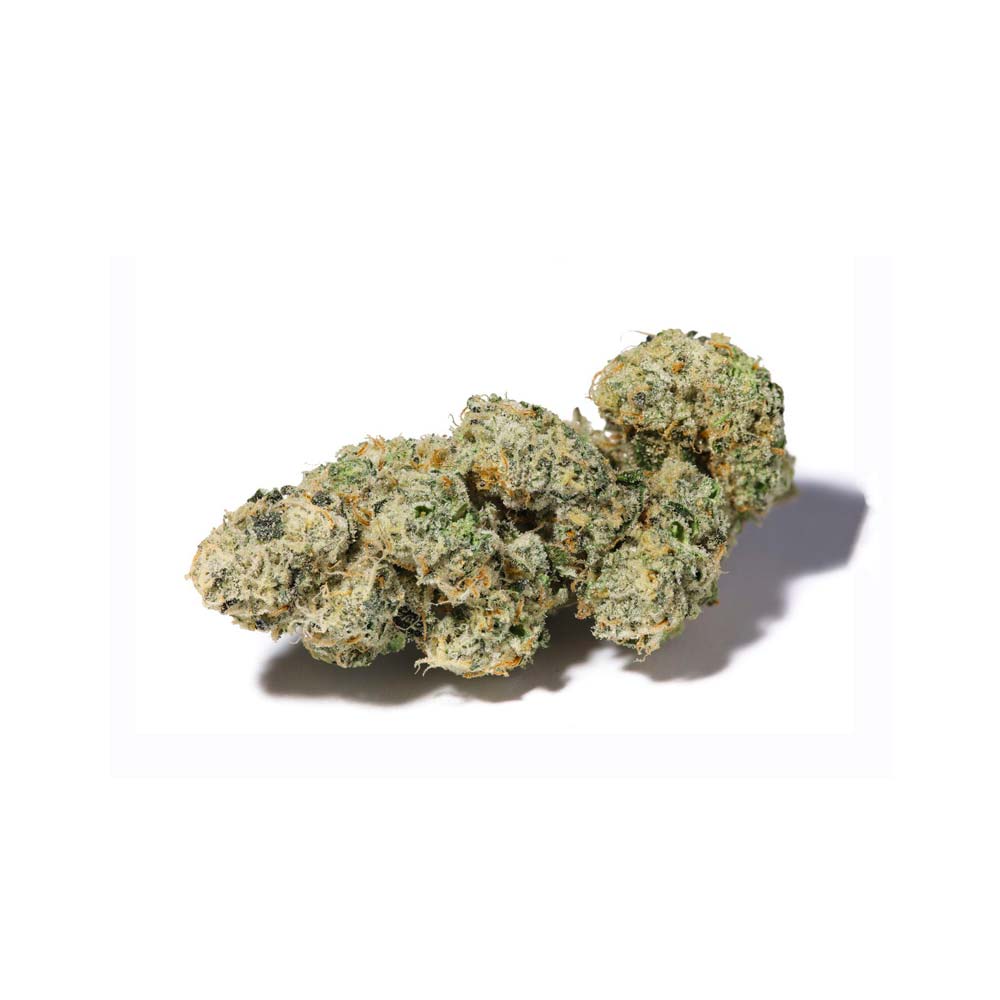
The visual appearance of Sweet Tooth features dense, resinous buds with a thick coating of trichomes, presenting colours ranging from deep forest green to purple hues when grown under appropriate conditions. The plant structure is sturdy and robust, making it manageable for cultivation in varied environments.
THC and CBD Percentages
Sweet Tooth typically presents THC levels between 16-22%, positioning it in the moderate to moderately-high range for medical cannabis applications. This THC content is substantial enough to deliver meaningful therapeutic effects whilst remaining manageable for most patients undergoing medical supervision.
The CBD content in Sweet Tooth is minimal, usually between 0.1-0.5%, making it primarily a THC-dominant strain. This characteristic is important for UK medical patients to understand, as the therapeutic ratio favours THC-driven benefits over CBD’s anti-inflammatory properties. Patients seeking high-CBD strains should explore alternatives.
The THC:CBD ratio means Sweet Tooth works best for conditions where THC’s analgesic and anxiolytic properties are beneficial, though the relatively moderate THC percentage suggests it’s less likely to induce anxiety in sensitive individuals compared to very high-THC varieties.
Effects and Experience
Medical users report that Sweet Tooth produces a nuanced and multifaceted experience. Initial effects typically include a gentle euphoria and mood elevation, with users describing a lifting sensation that begins within 10-20 minutes of consumption.
Following the initial cerebral phase, physical relaxation develops gradually and progressively deepens. This creates a distinctive progression where users experience mental clarity and slight focus enhancement before transitioning into a deeply relaxing body effect. Many patients find this temporal progression particularly useful for daytime or early evening use.
The relaxation is pronounced without being immediately sedative, though extended consumption or larger doses can tip the experience towards drowsiness and sleep-readiness. Users commonly report reduced muscle tension and a pleasant heaviness that encourages rest without rendering them completely incapacitated.
Pain perception typically diminishes substantially, and anxiety symptoms often ease alongside physical tension. The sweet flavour profile and smooth smoke make this strain particularly approachable for patients new to medical cannabis.
Medical Uses and Therapeutic Applications
Sweet Tooth addresses several conditions effectively for UK medical cannabis patients. Its primary therapeutic applications include:
Chronic Pain: The potent analgesic effects make Sweet Tooth particularly useful for musculoskeletal pain, neuropathic pain, and general chronic pain conditions. The gradual onset allows patients to titrate doses appropriately.
Insomnia and Sleep Disorders: Evening use capitalises on the strain’s sedative properties, helping patients achieve deeper sleep onset and maintenance without morning grogginess at moderate doses.
Anxiety Disorders: The balanced effects provide anxiolytic benefits without excessive psychoactive intensity for many patients. Those with anxiety-triggering sensitivities to high-THC varieties often tolerate Sweet Tooth well.
Appetite Stimulation: The sweet profile and the strain’s tendency to increase appetite make it valuable for patients experiencing appetite loss from cancer treatment or other medical conditions.
PTSD and Trauma-Related Conditions: Some patients report reduced hypervigilance and intrusive thoughts, though individual responses vary considerably.
For comprehensive information about medical cannabis eligibility and conditions, refer to medical cannabis information for UK patients.
Availability in UK Pharmacies and Private Prescription
Sweet Tooth availability through UK medical cannabis services remains limited. Whilst the strain is recognised internationally, most best UK cannabis clinics stock strains approved through specific pharmaceutical pathways, and Sweet Tooth is not universally available through NHS specialist services.
Private clinics may occasionally offer Sweet Tooth or similar genetics, but availability depends heavily on the individual clinic’s supplier relationships and stock levels. Patients interested in accessing this strain should contact clinics directly to discuss availability and potential alternatives.
The most reliably available medical cannabis in UK pharmacies remains products like Nabilone and standardised cannabis-based medicinal products rather than whole-flower strains.
Growing Information
Indoor Growing: Sweet Tooth adapts well to indoor cultivation, with flowering times typically ranging from 8-9 weeks. The strain responds excellently to high-intensity lighting and produces modest to good yields of approximately 450-550 grams per square metre under optimal conditions.