
Medical Cannabis for Neuropathic Pain in the UK: A Comprehensive Guide
Overview: Medical cannabis has emerged as a potential treatment option for neuropathic pain in the UK following regulatory changes in 2018. This guide examines the current evidence, suitable strains, how to access treatment through private clinics, and cost comparisons with traditional therapies.
The Evidence for Medical Cannabis in Neuropathic Pain
The evidence supporting medical cannabis for neuropathic pain remains evolving but increasingly promising. Neuropathic pain, characterised by damage to nerves from conditions such as diabetic neuropathy, post-herpetic neuralgia, and spinal cord injury, affects approximately 3-5 million people in the UK.
Key Research Findings:
- Cochrane Review (2021): Identified cannabis-based medicinal products as potentially effective for chronic neuropathic pain, particularly when conventional treatments have failed
- THC and CBD mechanisms: Tetrahydrocannabinol (THC) and cannabidiol (CBD) interact with endocannabinoid receptors in the nervous system, modulating pain signalling
- Clinical outcomes: Studies show 30-50% of patients experience significant pain reduction, with improvements in sleep quality and overall quality of life
- UK perspective: The National Institute for Health and Care Excellence (NICE) acknowledges the therapeutic potential but emphasises the need for individualised treatment within clinical settings
Whilst many studies show promise, the evidence base remains limited compared to conventional pharmaceuticals. Most research involves small patient cohorts, and long-term safety data continues to accumulate. However, the tolerable side-effect profile compared to opioids and certain anticonvulsants makes it an attractive option for treatment-resistant cases.
Suitable Cannabis Strains for Neuropathic Pain
The choice of strain depends on the THC:CBD ratio and the individual’s pain profile and tolerance for psychoactive effects.
| Strain Type | THC:CBD Ratio | Characteristics | Best For |
|---|---|---|---|
| Balanced Strains | 1:1 or 2:1 | Combine analgesic and anti-inflammatory properties; minimal psychoactive effects | Moderate pain with minimal intoxication concerns; daytime use |
| High-CBD Strains | 8:1 or higher | Anti-inflammatory, anxiolytic; no significant psychoactive effects | Patients unable to tolerate THC; those requiring daytime use |
| THC-Dominant Strains | 10:1 THC or higher | Stronger analgesic effects; more pronounced psychoactivity | Severe pain; evening use; patients with opioid tolerance |
| Whole-Plant Products | Variable | Contains terpenes and minor cannabinoids; entourage effect | Patients seeking enhanced therapeutic effects |
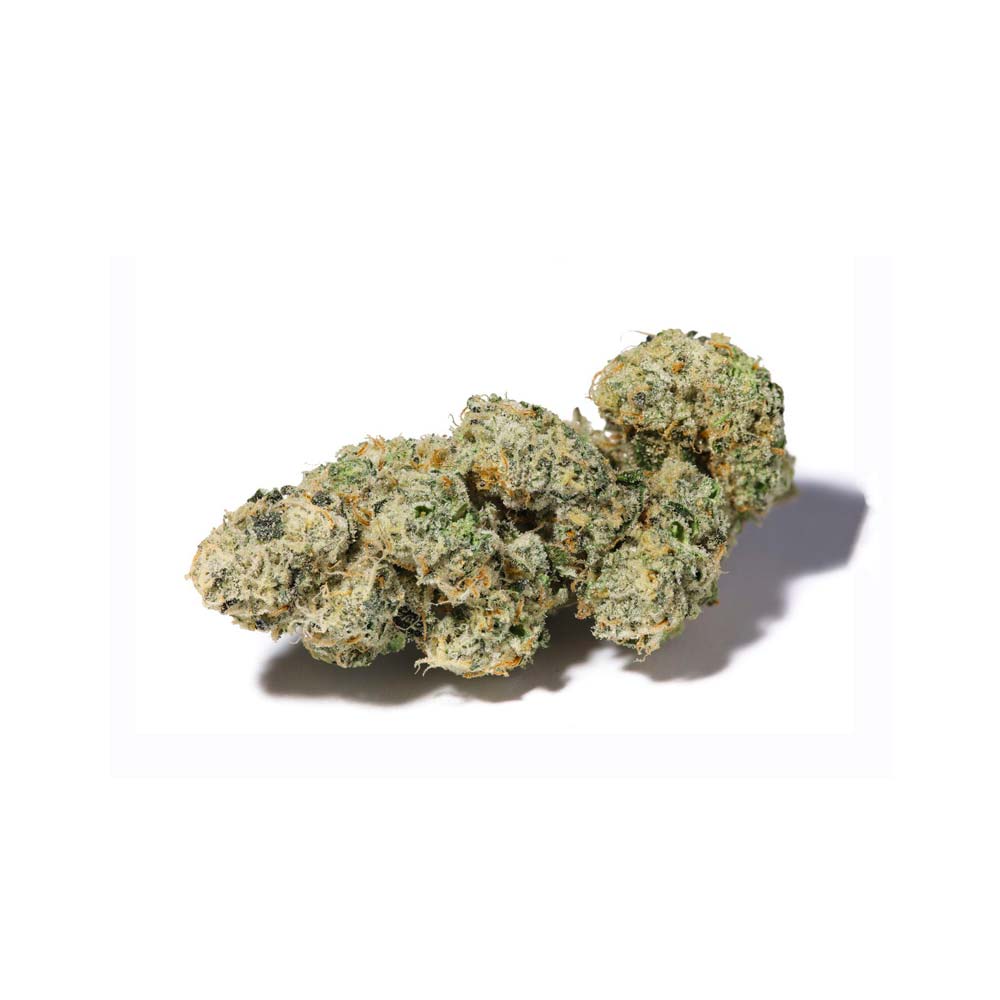
Common UK-prescribed products include Nabilone (synthetic cannabinoid), Sativex (THC:CBD 1:1 spray), and imported dried flower varieties. UK clinics often start with balanced or CBD-dominant products before adjusting based on patient response.
Accessing Medical Cannabis Through UK Clinics
Medical cannabis cannot currently be prescribed through NHS general practice for neuropathic pain, though very limited NHS prescribing occurs in specialised settings. Patients typically access treatment through private clinics specialising in cannabinoid medicine.
Steps to Access Treatment:
- Consultation: Undergo an initial assessment with a specialist doctor (usually telehealth) to confirm diagnosis and treatment history
- Eligibility: Typically require evidence of failed conventional treatments; neuropathic pain must be confirmed by diagnostic imaging or clinical specialists
- Prescription: If approved, receive a prescription issued under the 2018 regulations (now reclassified medicines)
- Pharmacy: Prescriptions dispensed through specialised pharmacies licensed to supply cannabis-based medicinal products
- Monitoring: Regular follow-up appointments (usually monthly initially) to assess efficacy and adjust dosing
Leading private clinics include Sapphire Medical, Cannabis Doctors, UK Meds, and TMCC (The Medical best UK cannabis clinics). All operate within legal frameworks and maintain patient safety records for prescribing data.
Cost Comparison: Medical Cannabis vs. Alternatives
Medical Cannabis Costs:
- Initial consultation: £150-£300
- Follow-up appointments: £100-£150 (typically required monthly for 3 months)
- Monthly medication costs: £150-£400 depending on product type and dose
- Annual estimate: £2,400-£4,800
Conventional Treatments for Neuropathic Pain:
- Pregabalin (Lyrica): £15-30 monthly on NHS; effective for many but causes weight gain, dizziness, cognitive effects
- Gabapentin: £10-20 monthly on NHS; sedation and dependence risks with long-term use
- Tricyclic antidepressants (Amitriptyline): £5-10 monthly on NHS; anticholinergic side effects problematic in elderly patients
- Opioid medications: £20-50 monthly on NHS; addiction potential, tolerance development, constipation, sedation
- Topical treatments (Capsaicin cream): £10-20 privately; limited efficacy for deep neuropathic pain
Value Assessment: Whilst medical cannabis carries higher upfront costs, patients report superior quality-of-life outcomes and fewer side effects than opioids. For patients already on multiple medications or experiencing intolerable adverse effects, the investment may prove cost-effective when factoring in reduced healthcare interventions and improved productivity.
Practical Considerations and Conclusion
Important Considerations:
- Response to medical cannabis is highly individualised; some patients experience dramatic relief whilst others show minimal benefit
- Driving whilst impaired by THC-containing products is illegal under UK law
- Potential interactions with blood thinners and CYP3A4 metabolised drugs require medical oversight
- Insurance companies rarely cover private cannabis prescriptions; costs are entirely out-of-pocket
- Pregnancy and breastfeeding contraindicate medical cannabis use
Final Thoughts: Medical cannabis represents a valuable addition to the neuropathic pain management toolkit, particularly for patients failing conventional therapies. The UK’s regulatory framework now permits legitimate prescribing, and emerging evidence supports efficacy comparable to or superior to traditional options with fewer serious adverse effects. Whilst costs remain prohibitive for many patients, the potential for improved pain control and quality of life justifies exploration for treatment-resistant cases. Always consult qualified specialists through legitimate clinics, maintain regular monitoring, and view medical cannabis as part of a comprehensive pain management strategy rather than a standalone solution.