
Medical Cannabis in Rotherham: A Comprehensive Guide
Understanding Medical Cannabis in the UK
Medical cannabis became legal in the United Kingdom in November 2018 following a change in law that permitted doctors to prescribe cannabis-based products for patients with certain medical conditions. However, access remains strictly regulated and limited to specific circumstances. In Rotherham, like throughout Yorkshire, patients seeking medical cannabis must navigate a carefully controlled system designed to ensure safety and appropriate use.
Medical cannabis differs significantly from recreational cannabis. Prescribed medical cannabis products are manufactured to pharmaceutical standards, with consistent cannabinoid profiles and rigorous quality control. The two primary active compounds are tetrahydrocannabinol (THC) and cannabidiol (CBD), which work together to produce therapeutic effects for various conditions.
Medical Conditions Eligible for Medical Cannabis
Not all medical conditions qualify for medical cannabis prescriptions in Rotherham. The NHS and private specialists typically consider cannabis-based medicines for specific conditions where conventional treatments have proven ineffective or unsuitable. These include:
Chronic pain conditions, particularly those unresponsive to standard pain management strategies, represent a significant proportion of approved cases. Multiple sclerosis-related spasticity is another well-established indication, where medical cannabis has demonstrated particular effectiveness. Epilepsy, especially drug-resistant forms, qualifies patients for consideration. Chemotherapy-induced nausea and vomiting in cancer patients may also warrant cannabis-based treatment. Additionally, post-traumatic stress disorder and certain anxiety disorders may be considered on a case-by-case basis by specialist clinics.
NHS vs Private Routes in Rotherham
Two primary pathways exist for obtaining medical cannabis in Rotherham: the NHS route and private prescription. The NHS route remains extremely limited. Patients must typically be referred to specialist NHS clinics, usually located in larger teaching hospitals across Yorkshire. South Yorkshire and Bassetlaw Clinical Commissioning Group covers Rotherham, and access through NHS remains restricted to exceptional circumstances where multiple conventional treatments have failed.
The private route offers considerably more accessibility. Private consultants specialising in cannabis-based medicine operate across Yorkshire and accept patients from Rotherham. Private treatment requires patients to access registered specialist clinicians who can legally prescribe cannabis-based medicines. This route typically proves faster than NHS referral but involves substantially higher costs.
Finding Medical best UK cannabis clinics in Rotherham
Rotherham itself has limited dedicated best UK cannabis clinics, though this landscape continues evolving. Patients must often travel to nearby Sheffield or Leeds, where several established private clinics operate. These clinics maintain specialisation in cannabis-based medicine and employ experienced consultants familiar with assessment and prescription protocols.
When searching for appropriate clinics, ensure they appear on the General Medical Council register and possess proper authorisation to prescribe controlled drugs. Reputable clinics conduct thorough patient assessments, including review of medical history, previous treatment attempts, and psychological suitability. They should offer ongoing monitoring and adjust prescriptions based on patient response and side effects.
Patients can identify suitable clinics through online directories maintained by cannabis medicine advocates, personal recommendations, and consultation with their GP. Some GPs in Rotherham may provide information about recognised clinics, though they cannot directly refer through standard NHS pathways.
The Assessment Process
Private clinic assessments typically involve detailed consultations with specialist doctors. These appointments examine the patient’s complete medical history, current medications, previous treatment responses, and the severity of their condition. Consultants assess whether cannabis-based medicine represents an appropriate treatment option and review potential drug interactions with existing medications.
The assessment often includes objective measurements of symptoms where possible. For pain conditions, this might involve pain scales and functional assessments. For neurological conditions like multiple sclerosis, consultants may review previous imaging and specialist reports. Psychological assessment ensures patients understand the treatment, consent to therapy, and do not present contraindications such as uncontrolled psychotic disorders.
Following a positive assessment, clinics provide detailed prescriptions specifying the cannabis product, cannabinoid ratios, dosage, and administration method. Prescriptions typically specify either THC-dominant, CBD-dominant, or balanced formulations depending on the condition and patient factors.
Cost Considerations in Rotherham
Medical cannabis prescriptions in Rotherham through private channels involve substantial costs. Initial specialist consultations typically range from £150 to £300, depending on clinic location and consultant experience. Follow-up appointments cost between £100 and £200.
The medication itself represents the major expense. Cannabis-based products cost considerably more than standard pharmaceutical medications. Monthly medication costs typically range from £400 to £1,500 depending on the product type, cannabinoid content, and required dosage. High-potency THC products tend to cost more than CBD-dominant formulations. Specialist-grade products manufactured under pharmaceutical conditions command premium prices compared to lower-quality alternatives.
Most private clinics accept direct payment, though some patients explore private healthcare insurance options. Health insurance policies vary significantly regarding cannabis coverage; some policies specifically exclude cannabis-based medicines, whilst others provide partial coverage. Patients should check their specific policies before commencing treatment.
Product Types and Delivery Methods
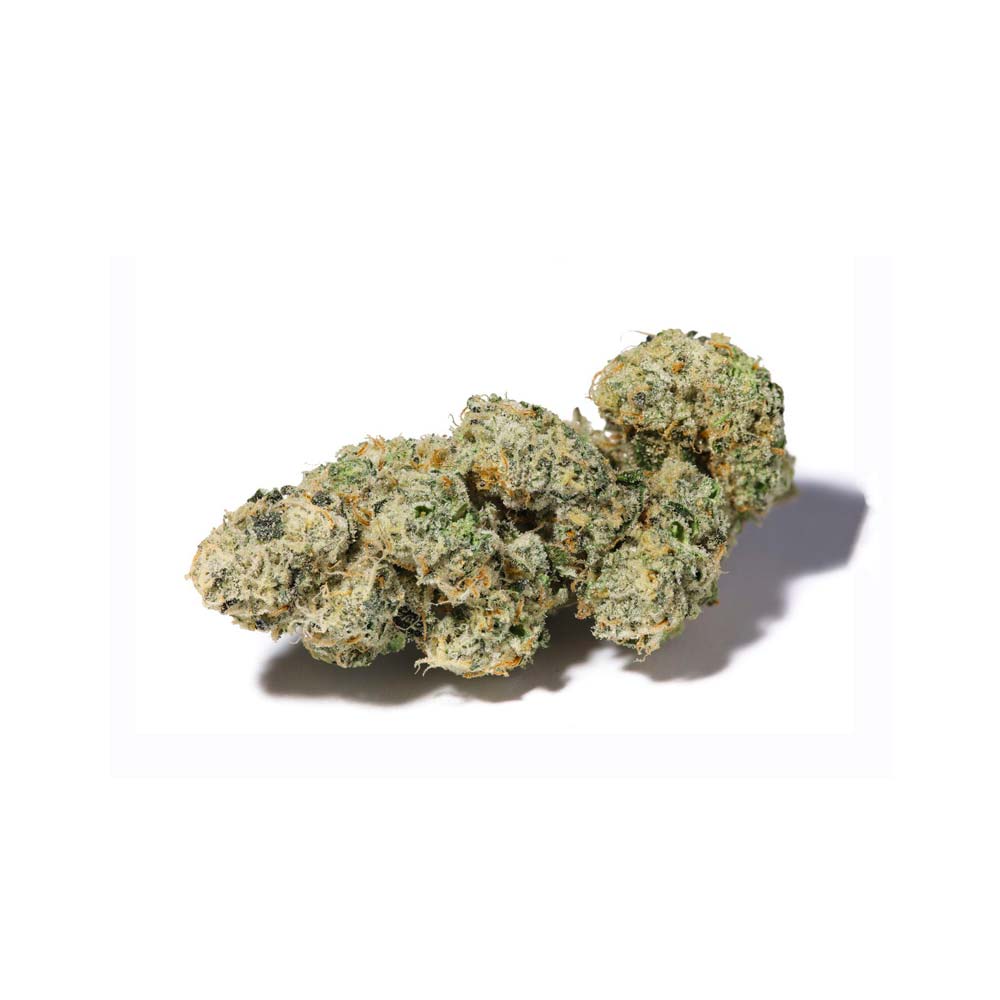
Medical cannabis in Rotherham clinics comes in several formulations. Oils and tinctures represent common options, offering precise dosage control and convenient sublingual administration. Capsules provide pre-measured doses in a familiar pharmaceutical format. Dried flower products suit patients who prefer smoking or vaporising, though clinics increasingly favour alternative delivery methods.
Vaporising dried flower offers advantages over smoking, including reduced respiratory irritation and more efficient cannabinoid absorption. Topical creams containing cannabinoids suit localised pain and skin conditions. Clinic recommendations depend on patient preferences, condition type, and previous drug administration experience.
Legal Considerations and Driving
Prescription medical cannabis remains a controlled drug in the UK, legally distinct from recreational cannabis. Patients with valid prescriptions may legally possess and use their medication. However, driving whilst impaired by THC-containing products is illegal. Patients taking THC-containing medicines should not drive if experiencing impairment, even with a valid prescription.
The Medicines and Healthcare Products Regulatory Agency sets regulations governing medical cannabis prescriptions. Clinics must follow strict protocols ensuring prescriptions go only to appropriately assessed patients. Storage requirements demand secure, child-proof containers, particularly important for patients with families.
Monitoring and Long-Term Management
Responsible clinics provide ongoing monitoring throughout cannabis-based treatment. Regular follow-up appointments assess treatment effectiveness, monitor side effects, and adjust dosages accordingly. This typically involves appointments every 4-12 weeks initially, extending as treatment stabilises.
Clinicians assess whether cannabis-based medicine provides adequate symptomatic relief justifying the cost and potential side effects. Treatment discontinuation occurs if patients experience unacceptable adverse effects or lack therapeutic benefit after appropriate trial periods.
Conclusion
Medical cannabis access in Rotherham remains challenging but increasingly achievable through private clinics across Yorkshire. Patients must understand eligibility criteria, navigate the assessment process, and accept significant financial commitments. With proper specialist oversight and realistic expectations, medical cannabis offers potential therapeutic benefits for selected patients with treatment-resistant conditions.