
Understanding Ehlers-Danlos Syndrome and Chronic Pain
Ehlers-Danlos Syndrome (EDS) is a rare genetic disorder affecting connective tissue throughout the body. Patients experience widespread joint hypermobility, chronic pain, fatigue, and multiple comorbidities. The condition presents differently across subtypes, with Hypermobile EDS being the most prevalent form in the UK. Connective tissue fragility leads to chronic musculoskeletal pain, joint instability, and neurological complications that significantly impact quality of life. Many patients report that pain management becomes increasingly challenging as the condition progresses.
Why Conventional Pain Management Falls Short for EDS Patients
Traditional pain management approaches often prove inadequate for EDS sufferers. NSAIDs such as ibuprofen and naproxen frequently fail to address the severity of chronic pain whilst potentially damaging the already compromised gastrointestinal system common in EDS. Opioid medications carry risks of dependence and tolerance, whilst many EDS patients experience heightened sensitivity to medications. Physiotherapy, though important, cannot fully resolve pain stemming from unstable joints and connective tissue disorder. Conventional anticonvulsants and antidepressants used for chronic pain management may produce intolerable side effects including dizziness and fatigue—symptoms EDS patients already struggle with daily. This treatment gap leaves many patients desperately seeking alternative approaches.
Medical Cannabis as an Alternative Pain Management Strategy
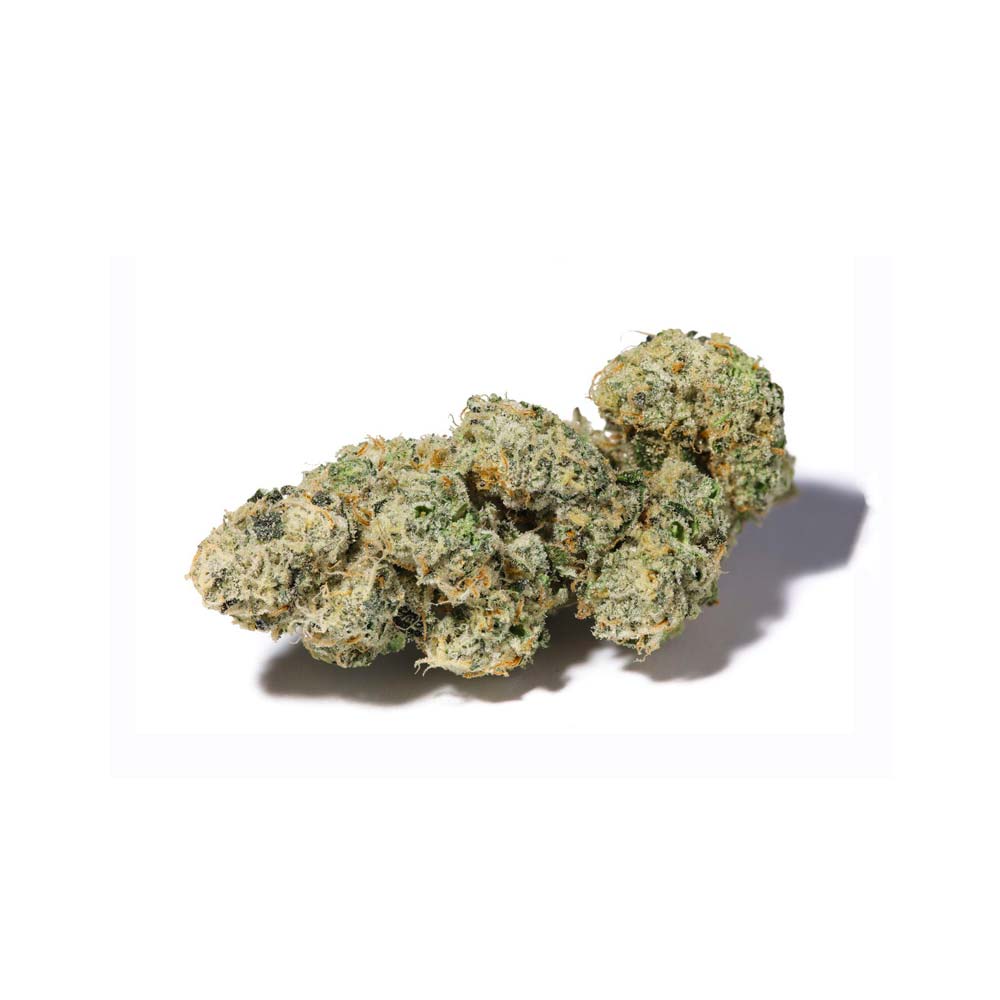
Medical cannabis has emerged as a potential therapeutic option for EDS-related chronic pain. The endocannabinoid system regulates pain perception, inflammation, and immune responses—all dysregulated in EDS. Cannabinoids, particularly THC and CBD, interact with this system to reduce pain signalling and inflammation without the gastrointestinal damage associated with NSAIDs. CBD offers anti-inflammatory and analgesic properties without psychoactive effects, whilst THC provides additional pain relief and muscle relaxation benefits. Many EDS patients report that cannabis products provide symptom relief when conventional treatments have failed, addressing both pain and associated sleep disturbances.
Cannabis Use in Hypermobile EDS Specifically
Hypermobile EDS (hEDS) presents particular challenges requiring innovative treatment approaches. The widespread musculoskeletal pain, proprioceptive dysfunction, and autonomic complications characteristic of hEDS respond differently to standard medications. Medical cannabis may help hEDS patients by reducing inflammatory pain responses, improving sleep quality disrupted by chronic pain, and potentially addressing associated anxiety and fatigue. The muscle-relaxant properties of certain cannabis products may benefit patients experiencing tension from compensatory muscle patterns. However, individual responses vary considerably, making personalised dosing and strain selection crucial.
Obtaining Medical Cannabis Prescriptions in the UK
Since November 2018, NHS doctors in the UK can legally prescribe medical cannabis for certain conditions. However, obtaining a prescription for EDS remains challenging, as EDS is not currently listed among approved conditions. Patients typically must access private clinics offering medical cannabis consultations and prescriptions. Specialist clinics require detailed medical histories and may cost between £150-£300 for consultations. Cannabis is prescribed in various forms: dried flower for vaporisation, oils, or capsules. Prescriptions are written by private doctors and filled at licensed pharmacies. Whilst expensive, private routes remain the most accessible legal pathway for UK EDS patients.
Recommended Cannabis Products for EDS Pain and Sleep
Indica-dominant strains are generally preferred by EDS patients for pain management and sleep improvement. Products rich in myrcene, linalool, and caryophyllene terpenes offer anti-inflammatory and analgesic benefits. CBD-dominant oils (15:1 or 20:1 CBD:THC ratios) provide daytime pain relief without significant psychoactive effects. Evening use of balanced or THC-dominant products (1:1 ratios) helps address pain-related insomnia. Whole-plant medicines often prove more effective than isolated cannabinoids, suggesting the entourage effect benefits EDS symptom management.
Community Experiences and Patient Testimonies
Within the UK EDS community, numerous patients report significant symptom improvement with medical cannabis. Many describe reduced pain intensity, improved sleep quality, and decreased reliance on opioid medications. Patients appreciate cannabis’s rapid onset compared to conventional anticonvulsants. However, experiences vary considerably—what benefits one patient may not help another. Community forums highlight the importance of starting low doses, titrating gradually, and maintaining close monitoring. Some patients combine cannabis with other treatments rather than replacing them entirely. The EDS community increasingly advocates for clinical research and NHS approval of medical cannabis specifically for connective tissue disorders, hoping future policy changes will improve accessibility and affordability for this vulnerable population.
Further Reading
- Medical Cannabis for Knee Pain UK – Arthritis Guide
- Best Cannabis Strains for Pain UK — Medical Guide
- Medical Cannabis for Nerve Pain UK – Neuropathy Guide
- Medical Cannabis for Headaches UK – Migraine Guide