
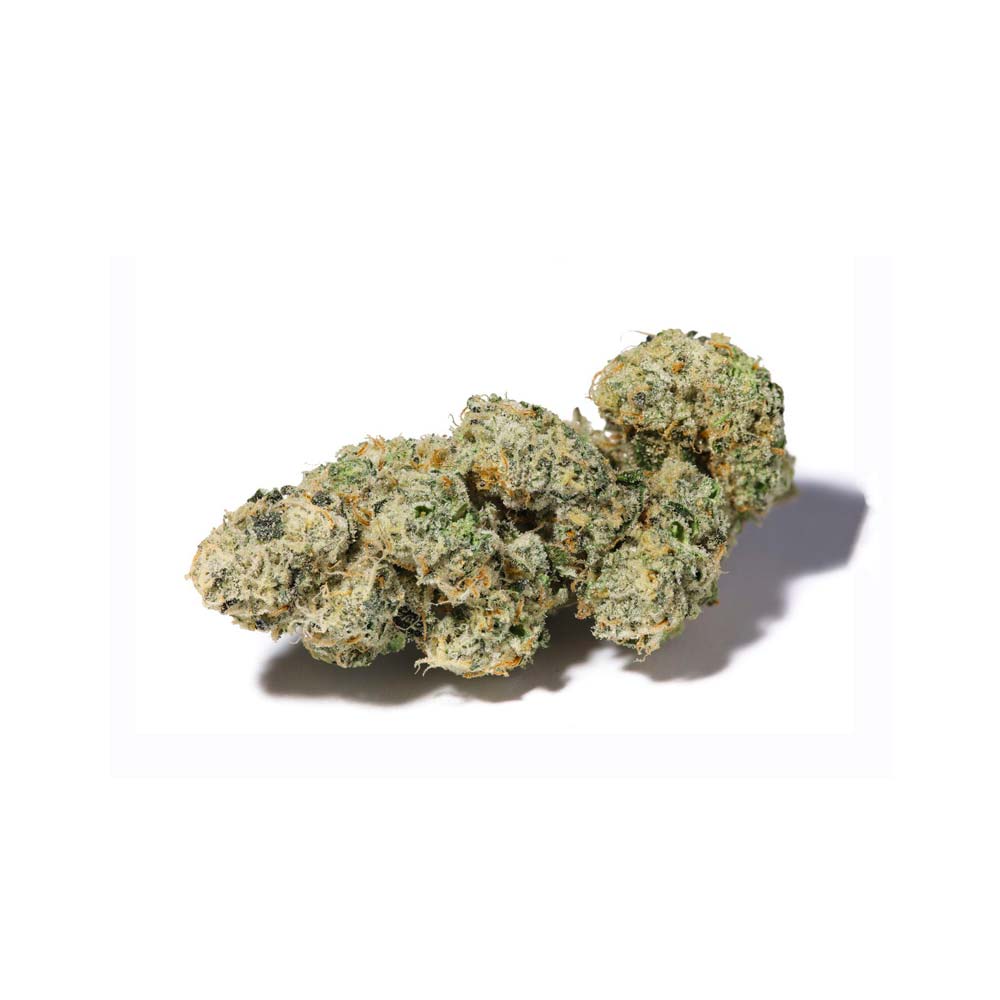
Lilac Diesel Strain Guide UK: Effects, THC Content & Medical Information
The Lilac Diesel strain represents a fascinating hybrid that has gained considerable popularity amongst UK cannabis enthusiasts and medical patients alike. This comprehensive guide explores everything you need to know about this distinctive cultivar, including its genetic background, cannabinoid profile, effects, and availability through UK medical cannabis channels.
Lilac Diesel Strain: Genetics and Lineage
Lilac Diesel is a hybrid cross resulting from two prominent cannabis genetics: Lilac and Diesel (typically a Sour Diesel derivative). This combination produces a well-balanced hybrid that leans slightly towards the Sativa side of the spectrum, offering users a nuanced experience that blends cerebral stimulation with moderate body relaxation.
The strain’s parentage contributes significantly to its character. The Lilac genetics introduce floral and fruity notes, whilst the Diesel lineage brings fuel-forward aromatics and potent effects. Breeders have worked to stabilise this cross, resulting in a strain that consistently delivers predictable effects and aromatic profiles across different growing conditions.
Lilac Diesel typically produces medium to tall plants with moderate yields, making it reasonably accessible for cultivators in legal jurisdictions. The flowering period generally ranges from 8-10 weeks, aligning with standard cannabis cultivation timelines.
THC and CBD Content
Lilac Diesel is classified as a high-THC strain, typically ranging between 18-24% THC depending on cultivation techniques, environmental conditions, and specific phenotypes. Some premium batches may reach slightly higher concentrations, particularly when grown under optimal conditions.
The CBD content remains relatively low, usually between 0.1-0.5%, making this strain unsuitable for those specifically seeking high-CBD therapeutic benefits. However, the cannabinoid ratio suits consumers seeking pronounced psychoactive effects combined with medicinal properties.
The strain’s cannabinoid profile indicates it’s most appropriate for experienced users or medical patients with established cannabis tolerance. Novice users should approach this strain cautiously due to its elevated THC concentration.
Effects of Lilac Diesel Strain
Users typically report the following effects from Lilac Diesel:
- Euphoria – A prominent uplifting sensation that enhances mood and promotes positivity
- Mental clarity – Cerebral stimulation that sharpens focus and creative thinking
- Increased energy – Sativa-dominant characteristics provide daytime suitability
- Mild body relaxation – Gentle physical ease without heavy sedation
- Social enhancement – Users often report increased sociability and conversational ease
- Creativity boost – Many consumers utilise this strain for creative endeavours
- Appetite stimulation – Mild munchies effect commonly reported
- Relaxed alertness – Maintains functionality whilst reducing tension
The onset typically occurs within 10-15 minutes when smoked, with effects peaking at 30-60 minutes and lasting 2-4 hours. Oral consumption extends these timelines considerably.
Terpene Profile
Lilac Diesel’s distinctive character derives from its rich terpene composition. The primary terpenes include:
Myrcene – Present in substantial quantities, myrcene contributes earthy undertones and may enhance THC absorption and relaxation properties.
Limonene – This citrus-forward terpene provides uplifting properties and contributes to the strain’s energetic effects.
Caryophyllene – Delivering spicy, peppery notes, this terpene interacts with the endocannabinoid system to potentially reduce inflammation.
Linalool – Present in modest quantities, linalool adds floral complexity and mild anxiolytic properties.
Pinene – Contributing piney, fresh aromatic notes, pinene may enhance focus and counteract short-term memory effects.
This terpene combination synergistically creates the “entourage effect,” where individual compounds work together to produce the strain’s overall pharmacological profile.
Flavour and Aroma Profile
The Lilac Diesel strain offers a distinctive sensory experience. The aroma combines pungent diesel fuel notes with subtle floral undertones and hints of grape or berry sweetness. This unusual combination creates an immediately recognisable scent profile.
Flavour-wise, users typically experience fuel and chemical notes on initial inhale, followed by sweet floral and fruity undertones on the exhale. Some consumers detect herbal or earthy notes, particularly in well-cured specimens. The complexity makes this strain interesting for those who appreciate nuanced cannabis profiles.
The taste intensity varies depending on consumption method, with vaping often highlighting floral notes whilst smoking emphasises the diesel characteristics.
Medicinal Uses of Lilac Diesel
Medical cannabis patients in the UK pursuing Lilac Diesel may do so for several documented applications:
Stress and anxiety relief – The balanced hybrid nature and terpene composition support anxiolytic effects without excessive sedation, potentially beneficial for daytime use.
Depression management – Euphorogenic properties and mood elevation may support those experiencing depressive symptoms.
Chronic fatigue – The energetic, uplifting effects suit patients requiring functional symptom relief without incapacitation.
Pain management – Mild analgesic properties combined with muscle relaxation may provide relief from various pain conditions, though higher-THC strains may be more effective for severe pain.
Appetite stimulation – Particularly relevant for patients undergoing chemotherapy or experiencing appetite suppression from other conditions.
ADHD symptoms – Some patients report improved focus and reduced hyperactivity, though individual responses vary significantly.
UK Medical Cannabis Availability
Medical cannabis remains legally accessible in the UK through NHS prescription and private clinics, though availability remains restricted. In November 2018, cannabis-based products became legally prescribable by specialist clinicians for specific medical conditions.
However, NHS prescriptions remain exceptionally rare, with most UK patients obtaining medical cannabis through private channels such as Sapphire Clinics, TMCC (The Medical best UK cannabis clinics), and Noidecs. These providers typically require consultation with medical professionals and established diagnosis.
Lilac Diesel specifically may not be consistently available through UK medical channels, as most providers stock cannabis-derived pharmaceuticals or standardised flower products. Patients interested in specific strains should discuss availability directly with their medical provider.
Private prescriptions typically cost £150-300 per consultation, with monthly medication costs ranging £150-600 depending on dosage and product type. Legal cultivation remains restricted to licensed producers.
Conclusion
The Lilac Diesel strain represents a compelling hybrid option for UK cannabis consumers and medical patients seeking balanced, functional effects. Its distinctive flavour profile, moderate THC content, and reported therapeutic benefits make it noteworthy within the cannabis landscape. However, UK availability remains limited, particularly through official medical channels. Those interested should consult with licensed medical professionals regarding suitability and legal access options.