
Kushberry Cannabis Strain Guide for UK Medical Patients
Quick Reference
| Characteristic | Details |
|---|---|
| Strain Type | Hybrid (60% Indica / 40% Sativa) |
| THC Range | 16-22% |
| CBD Range | 0.1-0.8% |
| Best For | Pain, insomnia, anxiety, appetite stimulation |
| Flavour Profile | Sweet berry, kushy spice, earthy undertones |
Overview and Genetics of Kushberry
Kushberry is a well-established hybrid strain that combines the best characteristics of two renowned parent strains: OG Kush and Blueberry. This genetic pairing creates a balanced hybrid with a slight indica dominance (approximately 60% indica, 40% sativa), making it particularly appealing for UK medical cannabis patients seeking symptom relief without excessive sedation.
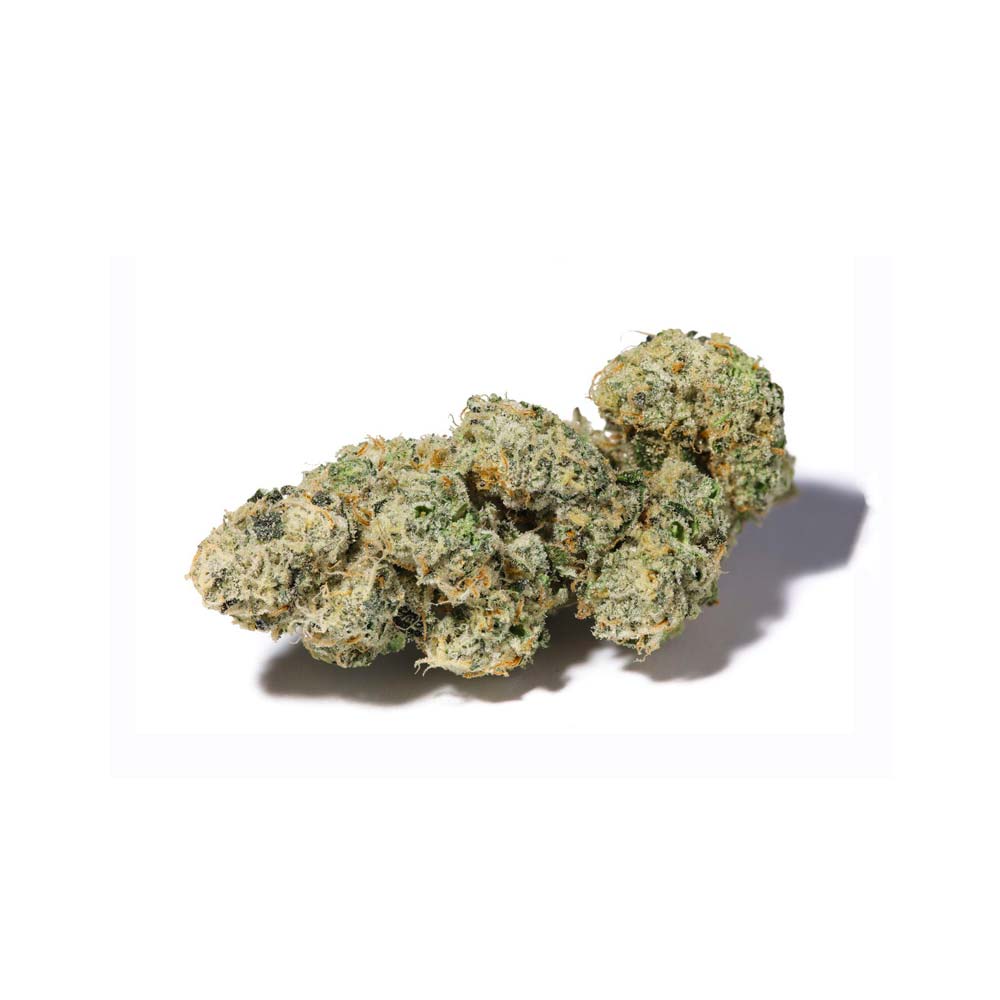
The strain emerged from breeders seeking to merge the therapeutic potency of OG Kush with the smooth, fruity profile of Blueberry. The result is a cultivar that delivers substantial cannabinoid content alongside a distinctive aromatic profile. Kushberry plants typically display dense, resinous buds with a purple-tinged appearance and vibrant green foliage, characteristics inherited from its Blueberry ancestry.
THC and CBD Percentages
Kushberry consistently tests within realistic ranges suitable for medical applications. THC levels typically range between 16-22%, positioning it as a moderate-to-potent option appropriate for patients with established cannabis tolerance or those requiring meaningful symptom management.
CBD content remains relatively low, generally between 0.1-0.8%, which is characteristic of most current cannabis cultivars. The therapeutic benefit for UK medical patients therefore derives primarily from THC’s interaction with the endocannabinoid system, combined with the entourage effect of other cannabinoids and terpenes present in the whole plant.
Effects and Experience
Kushberry delivers a distinctive experience characterised by rapid onset and multifaceted effects. Within 10-15 minutes of inhalation, users typically report a gentle cerebral uplift producing mild euphoria and improved mood without overwhelming intensity. This initial phase often includes enhanced focus and mental clarity, making morning or early afternoon consumption viable for some patients.
As the effects develop, progressive physical relaxation emerges. Muscular tension gradually dissolves, and most users experience a pleasant body warmth spreading through the limbs. The indica-dominant nature becomes increasingly apparent 30-45 minutes post-consumption, with users reporting reduced anxiety and deeper calm.
Mild sedation becomes noticeable towards the latter stages of the experience (2-3 hours), though true couch-lock is uncommon except at higher doses. Many patients find Kushberry suitable for late afternoon or evening use, particularly when addressing pain or sleep disturbances.
Medical Uses for UK Patients
Under the UK medical cannabis framework, Kushberry demonstrates therapeutic potential for several conditions:
Chronic Pain: The strain’s analgesic properties make it valuable for patients with persistent pain conditions. The combination of physical relaxation and mood elevation addresses both pain sensation and associated mood disturbance.
Anxiety Disorders: The mild euphoric onset followed by progressive calm suits anxious patients. The balanced hybrid nature prevents excessive sedation that some anxiety sufferers find counterproductive.
Insomnia: Evening or bedtime consumption promotes natural sleep onset through progressive relaxation and mild sedation without heavy narcotic-like effects some patients find uncomfortable.
PTSD: The mood-elevating properties combined with anxiety reduction may benefit trauma-related conditions, though individual responses vary considerably.
Appetite Stimulation: Many patients report increased appetite, benefiting those with cancer-related cachexia or appetite loss from other conditions.
Availability in UK Medical Cannabis Settings
Kushberry’s availability through UK medical channels remains limited. It is not currently listed among commonly available cultivars from established licensed producers supplying UK specialist pharmacies. However, some private clinics may source it through importation agreements or alternative suppliers.
For UK medical patients, best UK cannabis clinics remains the most reliable pathway to access specific strains. These clinics can discuss whether Kushberry aligns with your prescription needs and what alternatives they can reliably supply. Current commonly available medical strains in UK pharmacies include Tilray products and Noidecs cultivars, though strain availability changes regularly.
Growing Information
Indoor Cultivation: Kushberry responds well to controlled indoor environments. Plants typically reach 80-120cm in height, manageable in standard grow spaces. Flowering duration averages 8-9 weeks, with generous yields of 400-500g per square metre under optimal conditions (600-1000W lighting).
Outdoor Growing: In UK climates, outdoor cultivation presents challenges due to unpredictable weather. However, in sheltered southern locations, plants can complete flowering by October. Yields remain lower than indoor cultivation (200-350g per plant) but remain viable with careful management.
Growing Requirements: Moderate feeding, stable humidity (40-60%), and temperatures between 20-25°C support optimal development. The strain exhibits strong resistance to common pests and moulds, beneficial for UK growers.
Similar Strains Available in the UK
UK medical patients unable to access Kushberry may consider alternatives with similar therapeutic profiles: Blueberry (softer effects, fruitier profile), OG Kush (stronger potency, more sedation), Gelato (balanced hybrid, smoother flavour), or Granddaddy Purple (indica-dominant, potent pain relief).
Frequently Asked Questions
Is Kushberry legal for medical use in the UK?
Yes, Kushberry is legal for medical use if prescribed by an authorised specialist doctor through the UK medical cannabis system. It contains controlled cannabinoids requiring specialist prescription only.
Will Kushberry make me too sleepy during the day?
Most patients find Kushberry manageable during daytime hours, though individual sensitivity varies. Starting with lower doses and avoiding high amounts helps maintain functionality. Evening use remains more appropriate for those prioritising relaxation.
How does Kushberry compare to prescription alternatives like Sativex?
Kushberry offers broader cannabinoid and terpene profiles compared to standardised pharmaceutical products, though individual effects vary significantly. Medical clinics can advise whether Kushberry suits your specific conditions better than pharmaceutical alternatives.