
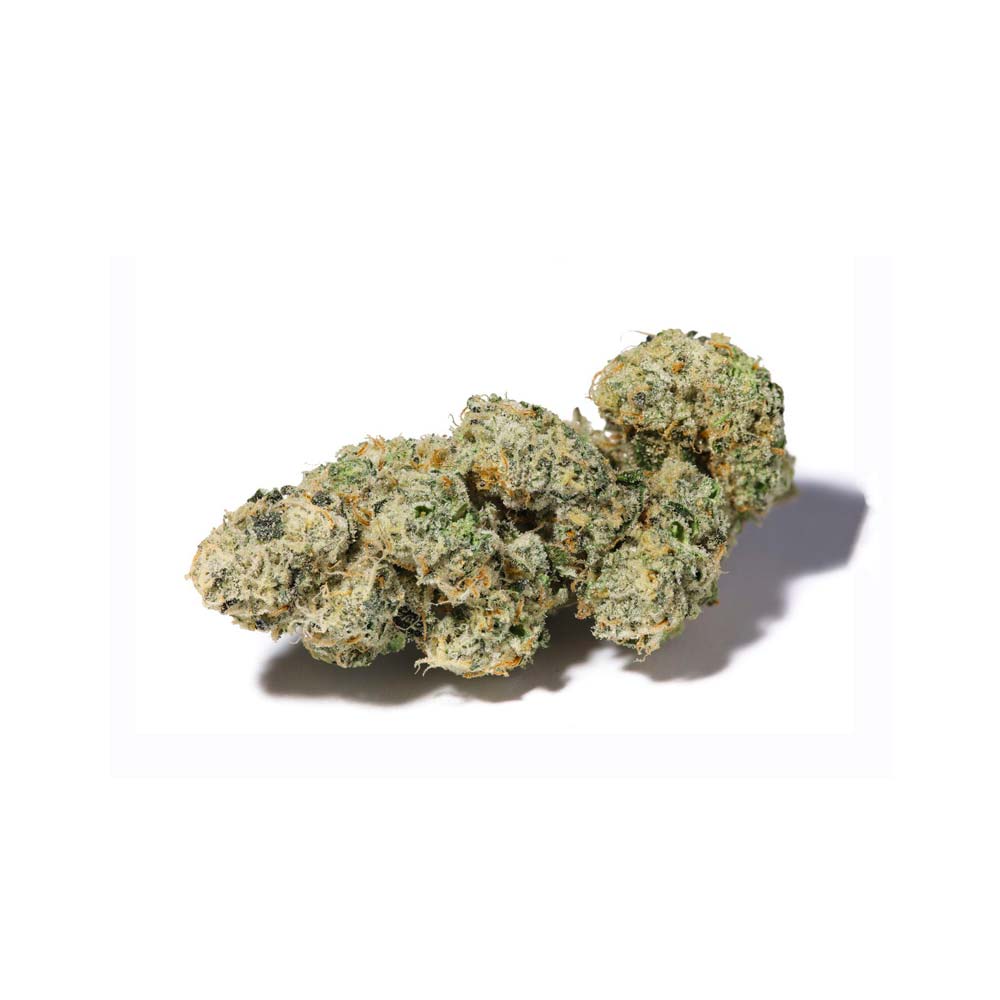
How to Decarboxylate Cannabis UK – CBD Cooking Guide
Decarboxylating cannabis is a crucial step in cannabis cooking that many UK enthusiasts overlook. Whether you’re creating CBD-infused products for wellness purposes or exploring medicinal applications, understanding proper decarboxylation ensures you get maximum potency from your materials. This comprehensive guide explains everything you need to know about decarboxylate cannabis UK style.
What Is Decarboxylation and Why Does It Matter?
Decarboxylation is a chemical process that converts non-intoxicating cannabinoid acids—primarily CBDA (cannabidiolic acid) and THCA (tetrahydrocannabinolic acid)—into their active forms: CBD and THC respectively. Raw cannabis contains mostly acidic cannabinoids that have minimal bioavailability and therapeutic effect when consumed orally.
When cannabis undergoes heating, a carboxyl group is removed from the molecule through decarboxylation. This activation process increases the compound’s ability to interact with your body’s endocannabinoid system, making it far more effective for wellness and medicinal purposes. According to research published in the Journal of Cannabis Research, proper decarboxylation can increase cannabinoid availability by up to 90% compared to raw plant material.
For UK consumers interested in CBD products, decarboxylation is essential because commercially available CBD oils and edibles have already undergone this process. However, if you’re working with raw flower or trim, you’ll need to decarboxylate it yourself to unlock its potential benefits.
Legal Considerations for Decarboxylating Cannabis in the UK
Before attempting any decarboxylation, it’s crucial to understand UK cannabis law. In the United Kingdom, cannabis remains a controlled substance under the Misuse of Drugs Act 1971. However, cannabis-derived products containing less than 0.2% THC are legal to purchase and possess.
This means you can legally work with high-CBD, low-THC materials that you’ve obtained lawfully. Many UK consumers purchase legally certified hemp flower or high-CBD cannabis strains containing less than 0.2% THC from licenced retailers. Decarboxylating these legal materials is permitted, provided the final product remains within legal THC limits.
Always verify the THC content of any cannabis material before purchase. Medical cannabis patients with prescriptions can also decarboxylate prescribed cannabis under their medical exemptions.
Essential Equipment for Decarboxylation
You don’t need specialised equipment to decarboxylate cannabis effectively. Most UK kitchens contain everything necessary:
- Conventional oven (most reliable method)
- Oven thermometer (essential for accuracy)
- Baking tray or oven-safe dish
- Parchment paper or silicone mat
- Grinder (optional, but helpful)
- Airtight containers for storage
The oven thermometer is critical because most domestic ovens are inaccurate by 10-20 degrees Celsius. Using a separate thermometer ensures you hit the precise temperature needed for optimal decarboxylation without degrading cannabinoids.
The Standard Oven Method
The oven method remains the most popular and reliable approach for decarboxylating cannabis in the UK. Here’s the process:
Temperature Setting: Preheat your oven to 110-120°C (230-250°F). This low-and-slow approach minimises cannabinoid degradation while ensuring complete decarboxylation. Higher temperatures (above 130°C) risk destroying delicate compounds and creating unpleasant aromas.
Preparation: Break your cannabis into small pieces roughly the size of rice grains. You needn’t grind it finely—larger pieces allow better heat distribution. Spread the material evenly across your baking tray, lined with parchment paper. A thin, even layer ensures consistent heating.
Baking Time: Place the tray in your preheated oven for 30-40 minutes. The exact duration depends on material moisture content and density. Flower typically needs 30 minutes, whilst trim and kief may require slightly less time.
Visual Indicators: Your cannabis should turn from vibrant green to light brown. This colour change signals successful decarboxylation. If it darkens to chocolate brown, your temperature was too high, and cannabinoid degradation has likely occurred.
Cooling: Remove the tray and let your material cool completely before handling. This prevents accidental burns and allows you to handle the product safely.
Alternative Decarboxylation Methods
Beyond traditional oven methods, UK consumers have several alternatives:
Slow Cooker Method: Place cannabis in a slow cooker on the lowest setting for 3-4 hours. This gentler approach requires longer cooking time but reduces odour and provides excellent temperature control. Many UK residents prefer this method for discretion.
Water Bath Method: Seal cannabis in a heat-safe glass jar and submerge it in water heated to 150°C for one hour. This method produces minimal smell and excellent results, though it requires more equipment and precision.
Sous Vide Method: Using a sous vide machine set to 110°C for 90 minutes provides precise temperature control. This method is becoming increasingly popular amongst UK cooking enthusiasts working with cannabis.
Measuring Success: How to Know Your Cannabis Is Properly Decarboxylated
Several indicators confirm successful decarboxylation. The material should be slightly crumbly but not completely dry. A light, toasted aroma indicates proper processing. If your cannabis smells intensely pungent or burnt, temperature control was inadequate.
Research suggests that proper decarboxylation at optimal temperatures converts approximately 85-95% of available cannabinoid acids into active cannabinoids. You can verify this through third-party laboratory testing if you require precise measurements.
Storage and Shelf Life
Properly decarboxylated cannabis remains potent for three to six months when stored correctly. Keep your processed material in airtight glass containers away from direct sunlight, heat, and moisture. Many UK consumers store decarboxylated cannabis in their freezer to extend shelf life and preserve cannabinoid profile.
Avoid plastic containers, as cannabinoids may interact with plastic compounds over extended storage periods.
Using Decarboxylated Cannabis in Cooking
Once decarboxylated, your cannabis can be infused into butter (cannabutter) or coconut oil for culinary applications. These infusions can then be used in virtually any recipe—from baked goods to savoury dishes. Most UK consumers create infusions by gently heating decarboxylated cannabis with fat at 110-120°C for 2-3 hours, then straining the mixture through cheesecloth.
The resulting cannabutter or cannabis-infused oil can be stored for up to two months in the refrigerator.
Common Decarboxylation Mistakes to Avoid
Temperature inconsistency remains the primary mistake. Using an accurate thermometer prevents this. Many people also grind cannabis too finely, creating uneven heating. Equally common is using excessive heat, which degrades cannabinoids and creates strong odours problematic for discretion.
Never decarboxylate cannabis in a microwave, as this method produces uneven heating and potential cannabinoid loss.
Conclusion
Decarboxylate cannabis