
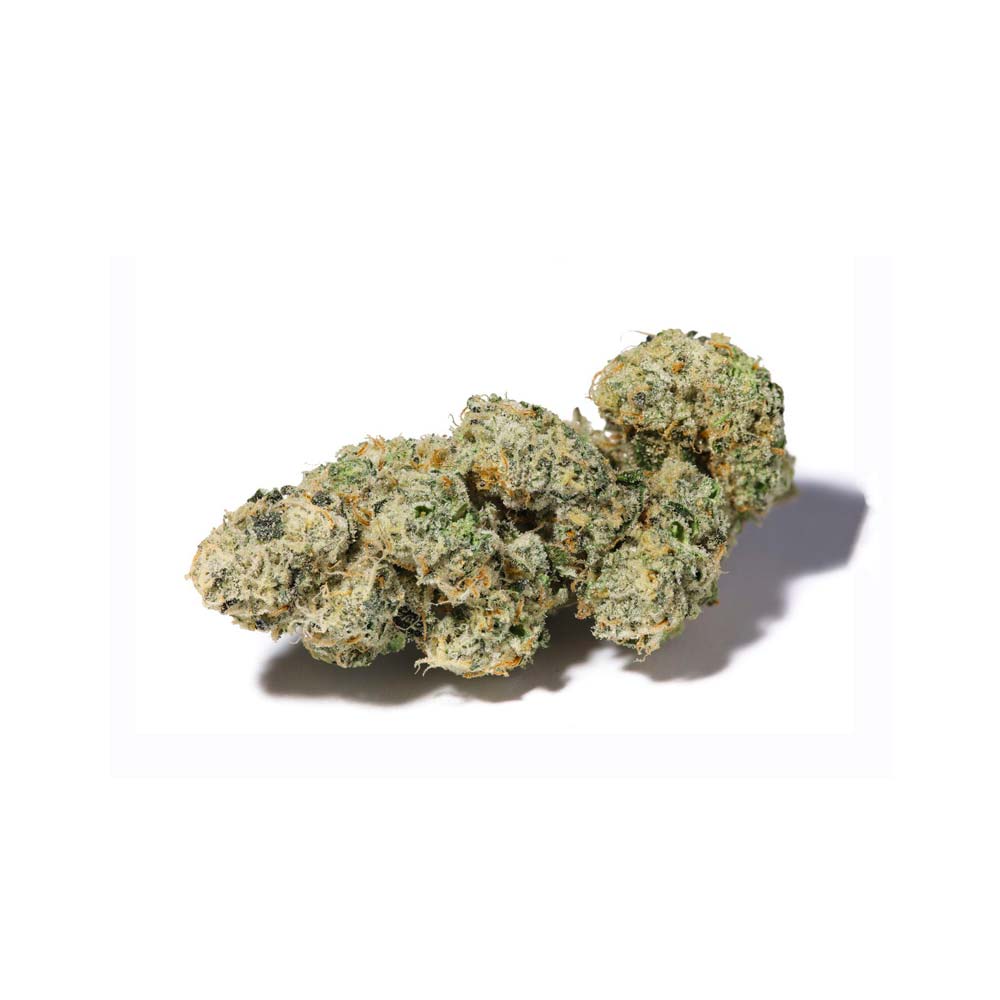
Hindu Kush Strain: Pure Landrace Indica Guide for UK Cannabis Users
The Hindu Kush strain represents one of the finest pure landrace indica varieties available to UK medical cannabis patients and enthusiasts. This authentic cannabis cultivar originates from the mountainous Hindu Kush region spanning Afghanistan and Pakistan, maintaining its distinctive genetic purity for centuries. In this comprehensive guide, we explore the genetics, effects, terpene composition, and current UK medical cannabis availability of this iconic strain.
Genetics and Lineage of Hindu Kush Strain
The Hindu Kush strain is a pure landrace indica with no hybrid genetics, making it exceptionally rare in modern cannabis cultivation. Unlike most contemporary strains that result from selective breeding programmes, Hindu Kush has evolved naturally across the Hindu Kush mountain range, developing adaptations to harsh environmental conditions over thousands of years.
This genetic purity distinguishes Hindu Kush from hybrid varieties. Landrace strains like Hindu Kush develop regional variations—often called “phenotypes”—reflecting their specific geographical origins. The strain’s classification as a pure indica means it exhibits the characteristic short, bushy plant structure and rapid flowering cycles associated with indica genetics.
The Hindu Kush strain’s genetic stability makes it valuable for both traditional cultivation and as a parent plant for creating new hybrid varieties. Its genetic heritage contains the foundational cannabinoid and terpene expressions that define classic indica characteristics.
THC and CBD Content
Hindu Kush strain typically contains THC levels ranging from 15-20%, with most quality samples averaging around 18% THC. The CBD content remains minimal, usually below 1%, making this strain predominantly THC-dominant rather than balanced.
These cannabinoid profiles indicate that Hindu Kush strain produces pronounced psychoactive effects suitable for experienced users seeking strong therapeutic or recreational benefits. The relatively moderate THC percentage—compared to modern hybrid strains exceeding 25% THC—reflects the strain’s landrace origins before contemporary high-potency breeding.
The minimal CBD content suggests Hindu Kush strain’s effects stem primarily from THC interactions with the endocannabinoid system, rather than the entourage effect of balanced cannabinoid ratios.
Effects of Hindu Kush Strain
Users consistently report distinctive effects when consuming Hindu Kush strain:
- Deep relaxation: Full-body sedation and muscle tension relief
- Mental calmness: Reduced racing thoughts and anxiety symptoms
- Enhanced sleep: Pronounced drowsiness and sleep initiation improvement
- Appetite stimulation: Increased hunger sensations
- Pain relief: Localised and systemic pain reduction
- Mood elevation: Subtle euphoria and contentment
- Couch-lock tendency: Significant physical sedation limiting mobility
- Mental clarity: Despite sedation, some users report clear thinking
- Reduced nausea: Antiemetic properties beneficial for chemotherapy patients
- Extended duration: Long-lasting effects typically persisting 6-8 hours
Hindu Kush strain demonstrates the classic pure indica profile, producing predominantly physical relaxation rather than cerebral stimulation. Evening and night-time consumption suits this strain’s sedative characteristics.
Terpene Profile
The Hindu Kush strain’s terpene composition creates its distinctive aromatic and flavour characteristics whilst contributing to its therapeutic effects:
Primary terpenes: Myrcene, pinene, and caryophyllene comprise the dominant terpene profile. Myrcene, the most abundant, enhances the strain’s sedative properties and contributes earthy, herbal notes. Pinene provides subtle piney undertones and may support respiratory function. Caryophyllene, known for anti-inflammatory properties, adds spicy pepper notes.
Secondary terpenes: Limonene, humulene, and linalool appear in lower concentrations, adding citrus brightness, woody depth, and floral complexity respectively.
This terpene combination produces the “entourage effect”—where terpenes and cannabinoids interact synergistically, enhancing overall therapeutic benefits beyond THC alone.
Flavour and Aroma
Hindu Kush strain delivers a sensory experience reflecting its mountain origins. The aroma combines earthy, woody undertones with subtle spice and hashish notes—a characteristic of pure indica landraces. Initial scent impressions reveal herbal complexity with mild pine and earth tones.
Upon consumption, Hindu Kush strain presents flavour notes of dark earth, woody resin, and gentle spice. The smoke or vapour remains smooth, with lingering herbal and slightly sweet aftertastes. The flavour profile is subtle rather than fruity, distinguishing it from modern hybrid strains.
These aromatic qualities reflect the strain’s authentic genetic heritage, offering users a taste of traditional cannabis cultivation rather than contemporary breeding for enhanced sweetness or fruitiness.
Medicinal Uses and Therapeutic Benefits
UK medical cannabis patients increasingly access Hindu Kush strain for various therapeutic applications:
Sleep disorders: The strain’s strong sedative properties support patients with insomnia and sleep maintenance difficulties. Healthcare providers often recommend Hindu Kush strain as an evening medication.
Chronic pain: The myrcene-dominant terpene profile and moderate THC content provide effective pain management for arthritis, fibromyalgia, and back pain without excessive intoxication.
Anxiety and stress: The physical relaxation and mental calmness reduce anxiety symptoms, though high THC content suits patients already familiar with cannabis.
Cancer-related symptoms: Chemotherapy patients benefit from Hindu Kush strain’s nausea reduction and appetite stimulation, supporting nutritional intake during treatment.
Muscle spasticity: The strain’s pronounced physical relaxation benefits multiple sclerosis and spinal injury patients experiencing muscle tension.
PTSD: The calming, sedative effects help patients with post-traumatic stress disorder achieve symptom relief and improved sleep.
UK Medical Cannabis Availability
Hindu Kush strain availability within the UK’s legal medical cannabis framework remains limited compared to hybrid varieties. Since November 2018, UK doctors can legally prescribe cannabis-based medicinal products (CBMPs) for specific conditions, though supply remains restricted.
Licensed UK medical cannabis producers currently cultivate predominantly hybrid strains optimised for pharmaceutical consistency and stability. Pure landrace varieties like Hindu Kush strain require specialist cultivation expertise, limiting commercial availability through NHS prescriptions.
Private medical best UK cannabis clinics increasingly stock Hindu Kush strain products for eligible patients, though costs remain significant—typically £5-8 per gram for dried flower. UK-based suppliers source Hindu Kush strain from licensed European producers meeting UK pharmaceutical standards.
Patients seeking Hindu Kush strain should consult private best UK cannabis clinics registered with the General Medical Council, ensuring proper medical supervision and legal product sourcing. Always verify product testing certificates confirming THC, CBD, and microbial safety compliance.
Conclusion
Hindu Kush strain offers UK medical cannabis patients an authentic, pure landrace indica option with distinctive therapeutic benefits. Its strong sedative properties, classic terpene profile, and historical genetic purity make it particularly valuable for sleep disorders, chronic pain, and anxiety management. Whilst UK availability remains limited compared to hybrid alternatives, specialist medical cannabis providers increasingly stock this legendary strain for patients seeking genuine cannabis heritage alongside modern medical oversight.