
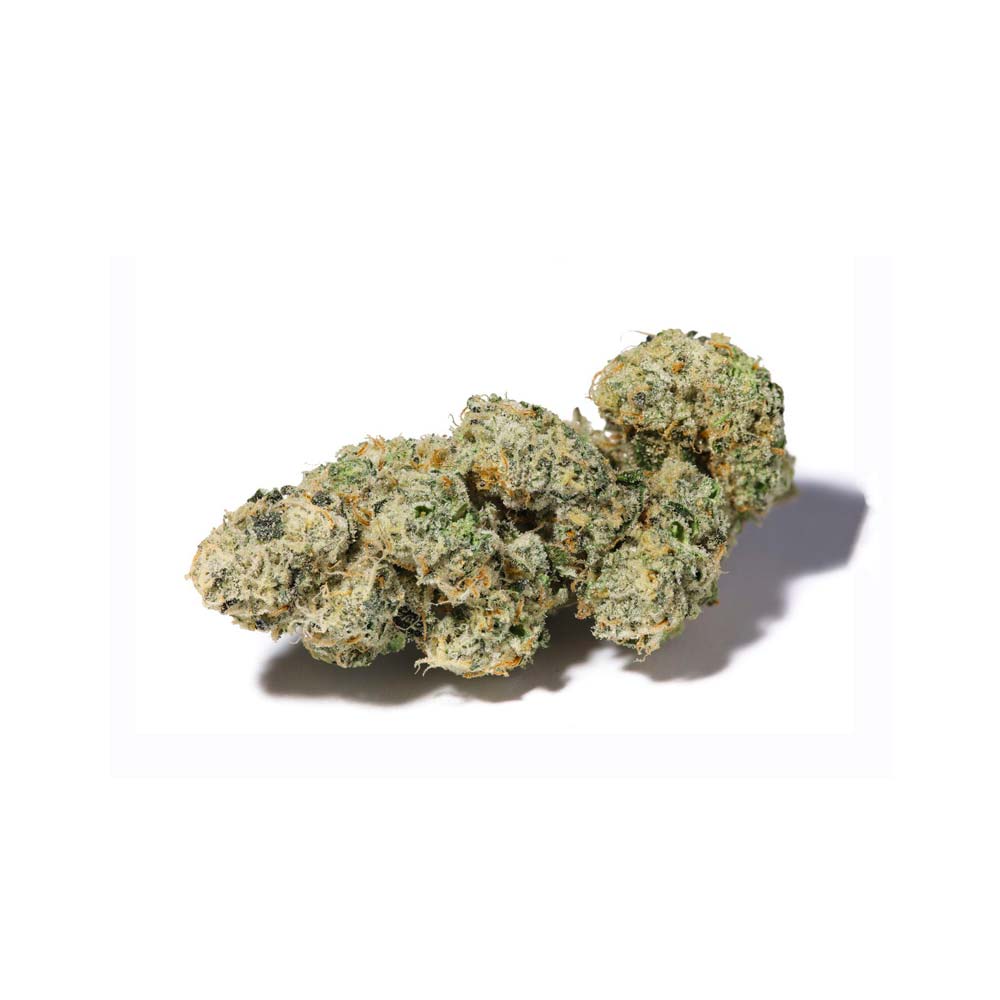
Highest THC Strains UK Available in Pharmacies
Since the legalisation of medical cannabis in the UK in 2018, patients have gained access to pharmaceutical-grade cannabis products through licensed pharmacies. Understanding which high THC strains are available has become increasingly important for medical patients seeking effective treatment options. This comprehensive guide explores the most potent cannabis strains currently accessible through legitimate UK medical channels.
Understanding THC Content and UK Regulations
Tetrahydrocannabinol (THC) is the primary psychoactive compound in cannabis, responsible for the “high” sensation and numerous therapeutic effects. In the UK, cannabis products available through pharmacies are strictly regulated by the Medicines and Healthcare products Regulatory Agency (MHRA). These pharmaceutical-grade products typically contain THC levels ranging from 10% to 25%, depending on the specific strain and formulation.
UK regulations distinguish between different cannabis product types, including flower (dried cannabis), oils, and extracts. High THC strains UK pharmacies stock are specifically cultivated to maintain consistent cannabinoid profiles and purity standards. According to recent data, approximately 73% of licensed medical cannabis products available in the UK market contain THC concentrations above 15%, making them suitable for patients requiring stronger therapeutic effects.
Top High THC Strains Available in UK Pharmacies
Several cannabis strains have become prominent in UK pharmaceutical settings. Medical professionals and patients frequently encounter these varieties when seeking high-potency options.
Noidecs THC 19% CBD 1% represents one of the most widely available high THC strains in UK pharmacies. This balanced formulation delivers significant therapeutic potential whilst maintaining manageable side effects for many patients. The strain provides reliable pain relief and anxiety management, making it particularly popular amongst those with chronic conditions.
Adven THC 18% CBD 0.5% offers another potent option readily accessible through licensed dispensaries. This strain exhibits strong anti-inflammatory properties and has gained recognition for treating neuropathic pain and multiple sclerosis symptoms. Its THC-dominant profile appeals to patients requiring robust symptom management.
CMMC G-Series products feature carefully selected genetics with THC concentrations reaching 20% or higher. These pharmaceutical-grade cultivars undergo rigorous quality testing, ensuring consistent potency and contamination-free products. The G-Series represents premium options for patients with significant therapeutic requirements.
Project Twenty21 strains introduced through NHS pilot schemes showcase diverse high THC options. These government-supported initiatives made selected high-potency strains available to eligible patients, broadening access to effective cannabis treatments across the UK.
Comparing Potency and Medical Applications
High THC strains UK pharmacies provide serve distinct medical purposes. Understanding these applications helps patients and healthcare providers select appropriate treatments. Strains containing 18-22% THC typically address severe chronic pain, whilst those above 22% THC suit patients with treatment-resistant conditions.
Recent clinical data indicates that high THC cannabis products demonstrate particular effectiveness for multiple sclerosis spasticity, with 65% of trial participants reporting significant symptom improvement. Cancer-related pain management similarly benefits from higher THC concentrations, where studies show improved pain control compared to lower-potency alternatives.
However, individual responses vary considerably. Some patients achieve optimal results with 15% THC strains, whilst others require 22-25% formulations. Medical supervision ensures personalised dosing strategies that maximise therapeutic benefits whilst minimising adverse effects.
How to Access High THC Strains in the UK
Obtaining high THC strains through UK pharmacies requires proper medical channels. Unlike recreational cannabis use in other countries, the UK maintains strict legal frameworks governing access.
To access cannabis products, UK patients must first obtain a prescription from a registered medical practitioner. Private specialist doctors frequently prescribe cannabis after conventional treatments prove ineffective. Alternatively, NHS doctors may prescribe cannabis products in specific circumstances, though availability remains limited outside pilot schemes.
Once prescribed, patients collect their medication from licensed pharmacies, which store these products securely and dispense appropriate quantities. Pharmacists provide essential guidance on consumption methods, dosage protocols, and potential interactions with other medications.
Private best UK cannabis clinics have expanded throughout the UK, offering rapid access to specialist consultations and prescriptions. These services typically cost £150-400 per consultation, with medication costs varying based on strain selection and formulation type.
Quality Standards and Safety Considerations
High THC strains available through licensed UK pharmacies undergo comprehensive quality assurance testing. Pharmaceutical suppliers must provide documentation confirming THC and CBD content, microbial purity, and pesticide-free cultivation.
This regulatory oversight distinguishes legal pharmacy products from unregulated street cannabis, where THC content may vary wildly and contamination risks are substantial. UK pharmaceutical cannabis undergoes testing standards equivalent to conventional medications.
Medical supervision remains critical when using high THC products. Patients new to cannabis require gradual dose escalation, typically beginning at 2.5-5mg THC daily, increasing slowly based on tolerance and response. This approach minimises potential adverse effects including dizziness, impaired memory, and temporary mood changes.
Cost and Accessibility Issues
High THC strains UK pharmacies stock typically cost £5-15 per gram for dried flower, with monthly expenses reaching £150-300 for regular users. Oil-based products and extracts generally command premium pricing due to processing requirements.
NHS prescriptions remain rare, with fewer than 200,000 cannabis prescriptions issued annually across the entire UK medical system. This limitation means most patients funding treatment privately must budget accordingly. Some private insurance policies now cover cannabis treatment, though comprehensive coverage remains uncommon.
Ongoing campaigns seek to expand NHS access and reduce costs through increased competition and standardised pricing. Current pressure on health authorities suggests gradual policy shifts may improve accessibility within coming years.
Making Informed Decisions About High THC Cannabis
Selecting appropriate high THC strains requires careful consideration of individual medical conditions, existing medications, and treatment goals. Consultation with cannabis-experienced medical professionals ensures optimal strain matching and dosage protocols.
Patient reports and clinical evidence increasingly guide strain selection. Medical cannabis forums and patient networks provide valuable peer insights about real-world effectiveness for specific conditions. Combining professional medical advice with community experiences typically produces the best outcomes.
Documentation of effects remains valuable. Keeping detailed records of symptom changes, side effects, and dosage adjustments helps identify truly effective treatments and justifies continued medication use to healthcare providers and insurers.
Conclusion
The landscape of high THC strains UK pharmacies offer continues expanding as medical cannabis acceptance grows. These pharmaceutical-grade products represent safe, quality-controlled alternatives for patients requiring potent cannabis treatments. Working with qualified medical professionals ensures appropriate strain selection, optimal dosing, and comprehensive safety monitoring throughout treatment journeys.