
Forbidden Fruit (Cherry Pie x Tangie) – Complete UK Medical Cannabis Guide
Forbidden Fruit represents an exciting hybrid cannabis strain that has gained considerable attention within the UK’s medical cannabis community. This comprehensive guide explores what UK patients and healthcare professionals need to know about this particular cultivar, including its genetics, effects, medical applications, and legal considerations within the British healthcare system.
Strain Genetics and Origins
Forbidden Fruit is a hybrid creation resulting from crossing two distinct and popular strains: Cherry Pie and Tangie. Cherry Pie contributes sedative indica-dominant characteristics alongside its distinctive fruity flavour profile, whilst Tangie brings energetic sativa traits and vibrant citrus notes. This genetic combination creates a balanced hybrid, though Forbidden Fruit typically leans towards indica dominance, making it particularly suitable for UK patients seeking relaxation and therapeutic benefits rather than stimulating daytime use.
Cannabinoid Profile and THC Content
Forbidden Fruit is renowned for its notably high THC content, typically ranging between 18% and 26%. This elevated THC concentration demands respect from both experienced and newer cannabis users. The strain also contains meaningful levels of CBD and other cannabinoids, contributing to its overall therapeutic profile. UK medical patients should note that high-THC strains like Forbidden Fruit require careful dosing and are best suited for experienced cannabis users or patients under professional medical supervision.
Aroma and Flavour Characteristics
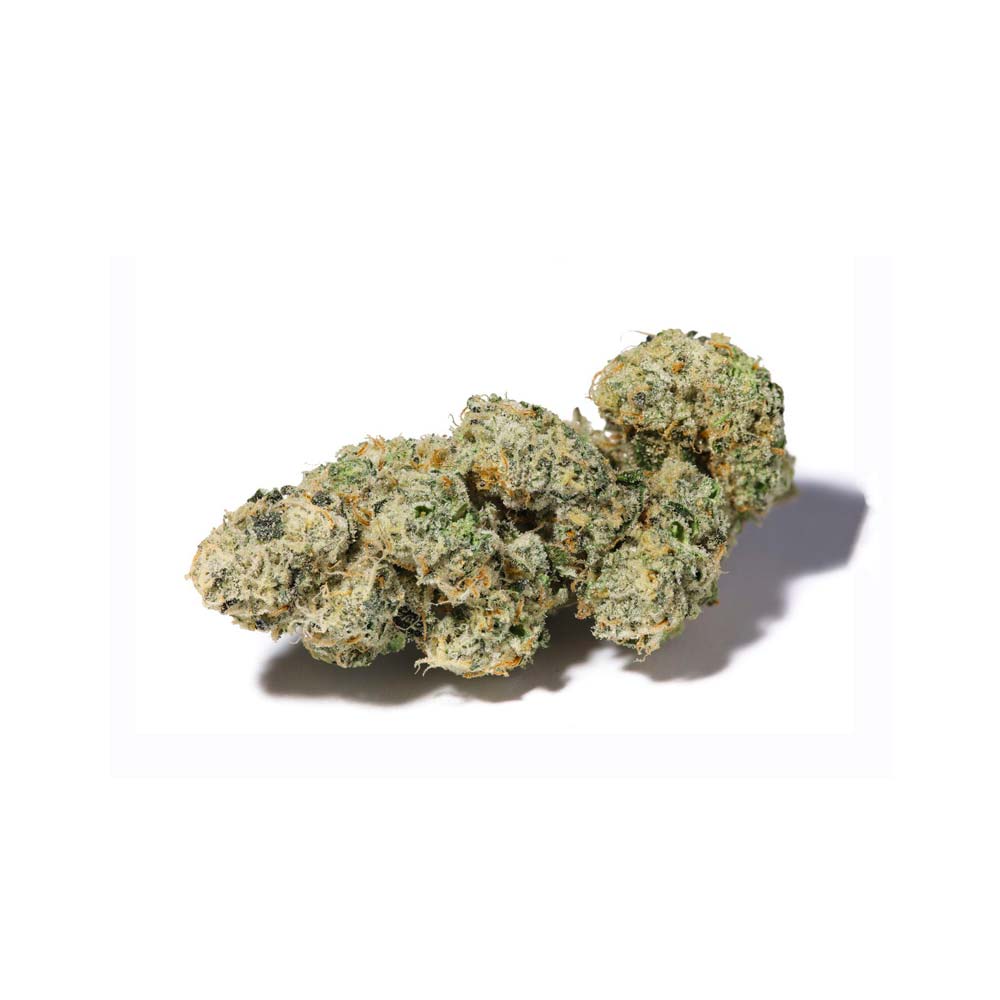
The name “Forbidden Fruit” perfectly captures this strain’s sensory appeal. Patients typically report a delightful combination of sweet cherry undertones with prominent tropical and citrus notes inherited from its Tangie parentage. The aroma is distinctly fruity and inviting, with subtle earthiness underlying the sweet profiles. When consumed, many users describe a smooth experience with flavours reminiscent of ripe stone fruits and tangerine, making it considerably more palatable than many higher-THC medicinal strains available in the UK market.
Effects and User Experience
Forbidden Fruit’s indica-dominant nature produces predominantly relaxing and sedative effects, particularly valuable for UK patients managing conditions like chronic pain, insomnia, and anxiety. Users typically experience onset within 15-20 minutes of smoking or 1-2 hours when consuming edibles. The high is characterised by physical relaxation, mental clarity (despite the high THC content), and a gentle euphoric sensation that many patients find therapeutic rather than overwhelming.
The strain’s effects are generally long-lasting, with many users reporting 4-6 hour symptom relief periods. This extended duration makes it particularly popular among UK patients requiring sustained therapeutic benefit throughout evening or night hours. The body-focused relaxation is often described as “couch-locking” at higher doses, indicating the profound physical relaxation achieved.
Medical Applications in UK Healthcare
Within the UK’s private medical cannabis framework, Forbidden Fruit shows promise for several therapeutic applications. Chronic pain patients find significant relief through its analgesic properties, whilst the sedative nature makes it exceptional for insomnia and sleep disturbances. UK patients managing anxiety and PTSD often respond well to the strain’s calming effects, though healthcare professionals typically recommend conservative dosing initially due to THC potency.
Patients experiencing nausea, appetite suppression, and muscle tension may benefit from Forbidden Fruit’s combined cannabinoid profile. The strain’s relatively high potency means smaller quantities often produce desired therapeutic effects, potentially improving cost-effectiveness for UK patients accessing private medical cannabis.
Consumption Methods for UK Patients
UK medical cannabis patients have several consumption options. Smoking through a pipe or vaporiser remains popular, though vaporisation offers cleaner inhalation at lower temperatures, preserving beneficial compounds. Edibles and oils provide longer-lasting effects suitable for overnight symptom management but require careful dosing due to high THC content.
Vaporisation is particularly recommended for Forbidden Fruit, as its fruity terpene profile is best appreciated at controlled temperatures around 180-210°C. This method also reduces respiratory irritation compared to smoking, important for patients with existing respiratory concerns.
Dosing Recommendations
Due to its high THC concentration, Forbidden Fruit demands careful dosing. Inexperienced users should start with very modest quantities, whilst experienced patients might use slightly larger amounts. UK healthcare providers typically recommend beginning with 5-10mg THC equivalents and titrating upward based on individual tolerance and therapeutic response. The strain’s potency means many patients find 15-20mg THC sufficient for complete symptom relief.
Potential Side Effects
High-THC strains like Forbidden Fruit can produce side effects in some users, particularly anxiety and dry mouth in THC-sensitive individuals. Occasional users may experience dizziness or drowsiness. UK patients should discuss potential interactions with existing medications with their healthcare provider before use, as cannabis can interact with various pharmaceutical compounds.
UK Legal Status and Access
Cannabis remains illegal for recreational use in the UK, but medical patients can legally access cannabis products through private clinics following specialist prescription. Obtaining Forbidden Fruit requires consultation with a registered UK best UK cannabis clinics, medical evaluation, and prescription from appropriately qualified healthcare professionals. Patients cannot legally grow cannabis at home regardless of medical need.
Conclusion
Forbidden Fruit offers UK medical cannabis patients a potent, flavourful strain with significant therapeutic potential for pain, insomnia, and anxiety. Its indica-dominant characteristics, combined with high THC content and sweet tropical flavour profile, make it a standout option within the UK’s medical cannabis landscape. However, its potency demands respect, careful dosing, and professional medical guidance. UK patients considering Forbidden Fruit should consult registered healthcare providers to determine suitability for their specific conditions and ensure safe, legal, supervised use.