
CBN (Cannabinol): Sleep, Pain and UK Medical Cannabis
What is CBN?
Cannabinol, commonly abbreviated as CBN, is a cannabinoid found in cannabis plants. Unlike its more famous cousins THC (tetrahydrocannabinol) and CBD (cannabidiol), CBN is typically present in smaller quantities within the plant. CBN forms naturally as THC degrades over time, particularly when cannabis is exposed to heat, light, or oxygen—a process known as oxidation.
At a molecular level, CBN shares structural similarities with THC but lacks the strong psychoactive properties THC is known for. This distinction makes CBN an intriguing compound for medical research and therapeutic applications. The cannabinoid interacts with the body’s endocannabinoid system, which plays a crucial role in regulating various physiological processes including sleep, pain perception, and immune function.
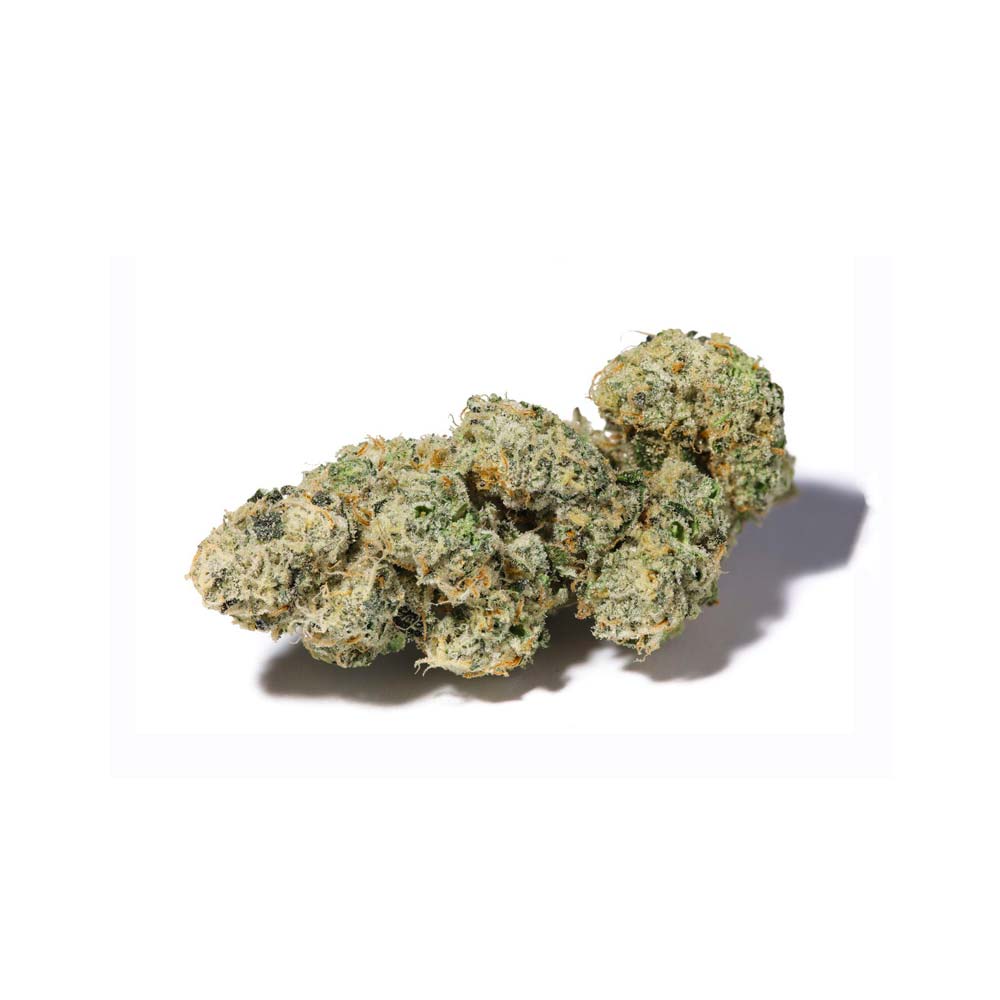
CBN is found in aged cannabis flowers and can be isolated or concentrated in specialised extracts. As cannabis flower ages naturally, the conversion of THC to CBN increases, which is why older cannabis samples typically contain higher CBN levels than fresh material.
Effects, Benefits and Current Research Evidence
CBN has garnered significant research interest, particularly for its potential effects on sleep and pain management. Early scientific evidence suggests several therapeutic applications, though human clinical trials remain limited compared to CBD and THC.
Sleep Benefits: The most prominent research area for CBN concerns sleep improvement. Several studies indicate that CBN may promote sedation and improve sleep quality. A 2021 study suggested that CBN combined with CBD might enhance sleep-inducing effects. Anecdotal reports from medical cannabis UK patients frequently mention improved sleep duration and reduced sleep latency when using CBN-rich products, though more robust clinical evidence is needed.
Pain Management: Preliminary research suggests CBN may possess analgesic (pain-relieving) properties. Some studies have explored CBN’s potential for chronic pain conditions, including neuropathic pain and inflammation-related discomfort. The mechanism appears to involve interaction with pain-processing pathways in the nervous system, though the specific mechanisms remain under investigation.
Anti-inflammatory Effects: Laboratory studies have demonstrated that CBN exhibits anti-inflammatory properties in vitro, suggesting potential therapeutic value for inflammatory conditions. However, translating these findings into human applications requires further clinical research.
Appetite Stimulation: Unlike THC, which strongly stimulates appetite, CBN shows more modest appetite-enhancing effects according to preliminary studies. This could benefit patients requiring appetite support without significant psychoactive effects.
Antibacterial Properties: Some research indicates CBN may possess antibacterial qualities, though this remains an emerging area with limited human evidence.
It’s important to note that while these findings are promising, most evidence comes from laboratory studies, animal models, or small human studies. More comprehensive clinical trials are necessary to establish definitive therapeutic efficacy and optimal dosing protocols.
How UK Medical Cannabis Patients Access and Use CBN
In the United Kingdom, accessing medical cannabis UK containing CBN requires a valid prescription from a specialist physician. This means CBN-containing products cannot be obtained over-the-counter through conventional pharmacy channels.
Patients typically follow this pathway: first, they must be referred to a consultant specialising in cannabis medicine, often through their GP or private medical services. The consultant evaluates the patient’s medical history, current treatments, and suitability for cannabis-based medicines. If deemed appropriate, a prescription is issued for a specific cannabis product.
CBN is usually accessed as part of whole-plant cannabis extracts or full-spectrum products rather than as an isolated CBN product. Many prescribed medical cannabis formulations contain a balanced cannabinoid profile including THC, CBD, and CBN. Some patients use products specifically selected for higher CBN content to target sleep-related issues.
Delivery methods for prescribed medical cannabis include:
- Oil tinctures: Sublingual drops administered under the tongue
- Capsules: Standardised oral doses
- Dried flower: For vaporisation (not smoking, due to health concerns)
- Sprays: Oral mucosal sprays for quick absorption
Dosing protocols for CBN-containing products are individualised based on patient response, medical condition, and concurrent medications. Starting with low doses and titrating upward is standard practice.
Legal Status in the UK
Understanding CBN’s legal status requires distinguishing between different product types in the United Kingdom.
Low-THC CBD Products: CBD oil UK products containing less than 1mg of THC per container are classified as food supplements and are legally available for purchase without prescription. These products can contain trace amounts of CBN naturally, and some manufacturers specifically formulate CBD products with CBN present.
Medical Cannabis with THC: Products containing meaningful quantities of THC—including those with significant CBN content—are classified as Schedule 2 controlled drugs under the Misuse of Drugs Act 1971. These can only be legally obtained through NHS or private prescriptions from specialist doctors. The Home Office removed restrictions on prescribing cannabis-based medicines in 2018, enabling licensed specialists to prescribe these products when conventional treatments prove insufficient.
This regulatory framework means that while low-THC CBD oil UK products might contain minor amounts of CBN, patients seeking higher CBN concentrations for medical purposes must obtain a prescription from an approved specialist physician.
Practical Advice for UK Patients
Consider Starting with Low-THC Options: If you’re interested in exploring CBN’s potential benefits, you might initially investigate legal CBD oil UK products that naturally contain some CBN. These are immediately accessible without prescriptions.
Consult Specialist Services: If you have sleep or pain issues that haven’t responded to conventional treatments, discuss medical cannabis UK options with your GP. They can refer you to appropriate specialist services.
Track Your Response: Maintain detailed records of symptoms, dosing, and effects. This information helps your prescribing physician optimise your treatment protocol and adjust doses appropriately.
Avoid Drug Interactions: CBN may interact with certain medications, particularly those metabolised by the cytochrome P450 enzyme system. Always inform your doctor about all supplements and medications you take.
Realistic Expectations: Understand that CBN is not a guaranteed cure. Research is ongoing, and individual responses vary significantly. Patience and careful monitoring are essential.
Sourcing Quality Products: Ensure any products you use come from licensed, regulated suppliers. Third-party testing certificates confirm cannabinoid content and purity.
CBN represents a promising area within cannabinoid medicine, particularly for sleep and pain management. By understanding the legal landscape and accessing appropriate medical pathways, UK patients can explore this emerging therapeutic option safely and legally.