
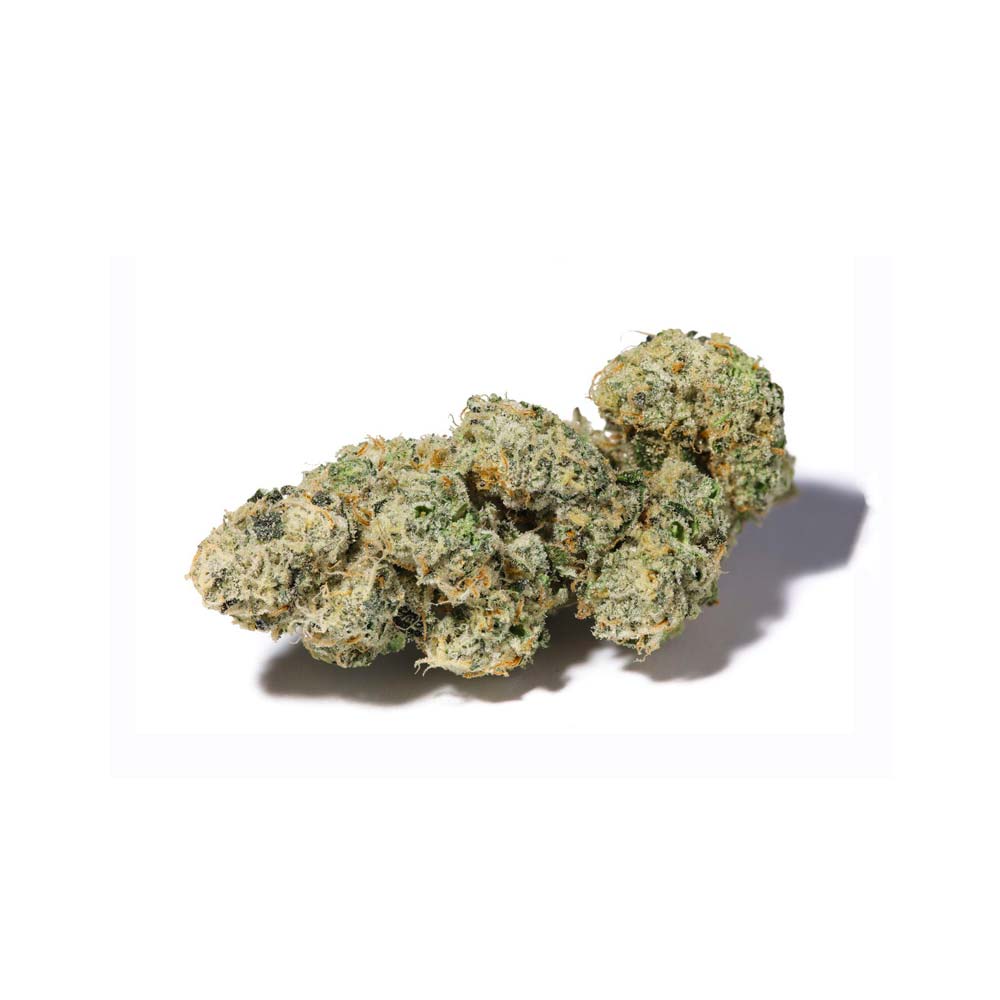
Comprehensive Medical Cannabis Strain Guide for UK Patients
Understanding Strain Types: Indica, Sativa and Hybrid
What These Terms Actually Mean
In UK medical cannabis, strain classification based on botanical origin provides a useful framework, though modern understanding is more nuanced. The traditional taxonomy refers to plant morphology and geographic origin rather than definitive pharmacological differences.
Indica strains originate from Hindu Kush mountains and surrounding regions. These plants are typically shorter, bushier, with broad leaves and shorter flowering cycles (7-9 weeks). Historically associated with relaxing, body-focused effects, though cannabinoid and terpene profiles matter more than classification alone.
Sativa strains come from equatorial regions and are taller, with narrow leaves and longer flowering times (10-16 weeks). Traditionally linked to uplifting, cerebral effects, though again, this depends heavily on chemotype rather than simple species designation.
Hybrid strains combine indica and sativa genetics, offering varied effects depending on the specific cross and which parent strain is more dominant. These represent the majority of modern medical cannabis available in UK pharmacies.
Why Classification Matters Less Than You Think
Recent cannabis science demonstrates that the specific cannabinoid ratios and terpene profiles are far more important than whether a strain is classified as indica or sativa. Two strains both labelled “indica” can have completely different therapeutic effects based on their unique chemistry. Modern UK prescribers increasingly focus on:
- THC:CBD ratio and absolute concentrations
- Dominant and minor terpenes
- Minor cannabinoids (CBG, CBC, THCV)
- Individual patient response and trial outcomes
THC to CBD Ratios: A Complete Guide
The THC:CBD ratio fundamentally determines therapeutic application and psychoactivity. Understanding these ratios is essential for matching products to your specific condition.
| Ratio Type | Example Ratio | Typical Uses | Psychoactivity | Best For |
|---|---|---|---|---|
| High THC, Low/No CBD | 20:1 or higher | Neuropathic pain, severe nausea, appetite stimulation | Significant | Patients with THC tolerance, those not sensitive to psychoactivity |
| Balanced THC:CBD | 1:1 | General pain, anxiety, sleep, inflammation | Mild to moderate | Most medical patients, good entry-level ratio |
| High CBD, Low THC | 20:1 CBD:THC | Anxiety, epilepsy, inflammation, daytime use | Minimal | Those sensitive to THC, daytime dosing, workplace use |
| CBD-dominant, trace THC | 50:1 or higher | Anxiety disorders, childhood epilepsy, chronic inflammation | None | Patients unable to tolerate THC, medical-only users |
| Equal High Levels | 1:1 at high concentration (e.g., 10mg each) | Severe pain, PTSD, cancer-related symptoms | Moderate but modulated by CBD | Experienced medical patients, complex presentations |
Absolute Concentrations Matter
A 1:1 ratio at 5mg THC: 5mg CBD per dose differs substantially from 15mg THC: 15mg CBD. Higher absolute concentrations provide greater therapeutic effect but also increase potential side effects. UK prescribers typically start patients with lower absolute doses regardless of ratio, then titrate upward based on response.
Individual Variation in Response
Genetic factors, including CYP3A4 enzyme expression and endocannabinoid system variability, mean patients respond differently to identical ratios. What works perfectly for one patient may be ineffective or poorly tolerated by another. This is why trial and adjustment with your prescriber is essential.
Terpene Profiles: The Flavour of Effect
Terpenes are aromatic compounds that give cannabis its flavour and aroma, but they also significantly influence pharmacological effects through the “entourage effect.” These plant compounds interact with cannabinoids and your endocannabinoid system to modulate overall effects.
| Terpene | Aroma/Flavour | Primary Effects | Potential Benefits | Found In |
|---|---|---|---|---|
| Myrcene | Earthy, herbal, musky | Relaxation, sedation, anti-inflammatory | Sleep, pain relief, muscle tension | Indica-leaning strains, Skunk varieties |
| Limonene | Citrus, lemon, fresh | Uplifting, mood elevation, anti-anxiety | Depression, anxiety, stress, focus | Sativa-leaning strains, lemon/citrus profiles |
| Pinene | Pine, woody, fresh | Alertness, memory, bronchodilation | Focus, cognitive clarity, respiratory | Strains with piney profiles, Jack Herer type |
| Caryophyllene | Spicy, pepper, clove | Anti-inflammatory, analgesic, anxiolytic | Pain, inflammation, anxiety, GI issues | Haze strains, OG Kush type, High-CBD varieties |
| Linalool | Floral, lavender, sweet | Calming, anxiolytic, anticonvulsant | Anxiety, stress, sleep, neuropathic pain | Indica strains, Lavender varieties |
| Humulene | Woody, spicy, hoppy | Anti-inflammatory, appetite suppressant | Pain, inflammation, weight management | Haze strains, woody-profile strains |
| Terpinolene | Pine, floral, herbal | Uplifting, energising, antioxidant | Fatigue, low mood, cognitive function | Sativa strains, Jack Herer, Durban Poison |
| Ocimene | Sweet, herbal, citrusy | Uplifting, antiviral, anti-inflammatory | Mood, immune function, mild pain | Sativa-leaning strains, various hybrids |
| Nerolidol | Floral, woody, herbal | Sedating, skin penetration, antifungal | Sleep, topical efficacy, relaxation | Indica strains, some balanced hybrids |
| Camphene | Spicy, woody, minty | Anti-inflammatory, analgesic | Pain relief, inflammation, minor terpene | Various strains, often in trace amounts |
Reading Terpene Profiles
Most UK medical cannabis products provide detailed terpene analysis. You’ll see percentages listed; typically the top 3-5 terpenes are most abundant. A strain with 0.5% myrcene and 0.3% limonene has myrcene as the dominant terpene, suggesting more relaxing properties. Terpene percentages of 0.1% or less represent trace amounts with minimal effect.
Entourage Effect
Terpenes work synergistically with cannabinoids. A high-THC strain with dominant sedating terpenes (myrcene, linalool) will feel substantially different from one with identical THC content but energising terpenes (limonene, pinene). This is why full-spectrum products (containing all plant compounds) often perform better therapeutically than isolated cannabinoids.
Top Medical Cannabis Strains Available in UK Pharmacies
The following represents strains commonly available through UK private prescription channels. Availability varies by prescriber and pharmacy. These are listed by therapeutic category:
For Chronic Pain Management
| Strain Name | THC:CBD Ratio | Key Terpenes | Characteristics | Dosing Guidance |
|---|---|---|---|---|
| Neon Haze (Eaze) | 19:1 THC:CBD | Pinene, caryophyllene, limonene | Energising pain relief, daytime suitable | 5-15mg THC, start low |
| T25 (Tilray) | 25:0 (high THC, no CBD) | Caryophyllene, humulene | Powerful neuropathic pain control, evening use | 5-20mg THC, tolerance dependent |
| Pedanios 16:8 (Aurora) | Approximately 16:8 | Myrcene, caryophyllene | Balanced pain and relaxation, versatile | 10-20mg THC daily |
| No. 4 (Grow Pharma) | 1:1 (approx 10:10) | Myrcene, linalool | Anti-inflammatory, gentle, body-focused | 10-25mg daily, well tolerated |
| Solace (Khiron) | 1:1 | Caryophyllene, myrcene, pinene | Well-rounded pain and mood support | 12-20mg daily |
For Sleep and Insomnia
| Strain Name | THC:CBD Ratio | Key Terpenes | Characteristics | Dosing Guidance |
|---|---|---|---|---|
| Indica 10 (Pedanios) | 10:1 | Myrcene, linalool, nerolidol | Classic sedative profile, reliable sleep | 10-20mg evening |
| Sleep (Grow Pharma) | 1:1 | Linalool, myrcene, nerolidol | Gentle sedation, anti-anxiety component | 15-25mg evening |
| Khiron 20:20 (Khiron) | 20:20 (equal high) | Myrcene, linalool, caryophyllene | Strong sleep effect, pain relief included | 15-30mg evening, experienced users |
| Pink Kush (Aurora) | 20:1 | Myrcene, caryophyllene, pinene | Deeply relaxing, strong body sedation | 10-25mg evening |
| Bediol (Bedrocan) | 6:8 (CBD-dominant for sleep) | Linalool, myrcene | Lower THC option, good for anxiety-driven insomnia | 10-20mg evening |
For Anxiety and PTSD
| Strain Name | THC:CBD Ratio | Key Terpenes | Characteristics | Dosing Guidance |
|---|---|---|---|---|
| Bedrocan (Pure CBD) | Approximately 1:25 THC:CBD | Pinene, caryophyllene, myrcene | Minimal psychoactivity, anxiolytic focus | 5-15mg CBD, flexible timing |
| Harlequin (various suppliers) | 5:2 CBD-dominant | Caryophyllene, myrcene, pinene | Clear-headed, calming without sedation | 10-20mg daily, split dosing |
| Sapphire (Grow Pharma) | 1:1 | Caryophyllene, limonene, linalool | Balanced, good for anxiety without sedation | 10-20mg daily, morning or afternoon |
| Oil 5:5 (Tilray) | 5:5 CBD:THC equal | Caryophyllene, myrcene | Oil-based, convenient, consistent dosing | 5-15mg daily |
| Sativex (GW Pharma) | 1:1 THC:CBD | Multiple, full-spectrum | Pharmaceutical-grade, oromucosal spray, precise dosing | 1-3 sprays, dose titration by prescriber |
For Focus and Daytime Use
| Strain Name | THC:CBD Ratio | Key Terpenes | Characteristics | Dosing Guidance |
|---|---|---|---|---|
| Jack Herer (various) | 15:1 THC:CBD or sativa-dominant | Pinene, limonene, terpinolene | Energising, cognitive clarity, creative focus | 5-12mg morning |
| Durban Poison (Pedanios) | 18:0 (pure THC) | Terpinolene, limonene, pinene | Potent energiser, strong focus, morning only | 5-10mg, tolerance dependent |
| Sour Lemon (various) | Variable, often 15:1 | Limonene (dominant), pinene | Uplifting, mood-elevating, antidepressant | 5-15mg morning/afternoon |
| CBD Harlequin (Bedrocan) | CBD-dominant 5:2 | Pinene, caryophyllene, ocimene | Alert without THC psychoactivity, all-day use | 10-20mg flexible timing |
| Green Crack | 15:0 sativa | Pinene, myrcene, caryophyllene | Powerful focus, strong stimulant effect, morning | 5-10mg, not for evening use |