
Medical Cannabis for Sleep UK: Best Strains and Methods
Evidence for Cannabis in Treating Insomnia and Sleep Disorders in the UK
Insomnia and sleep disorders affect millions of people across the United Kingdom, significantly impacting quality of life, productivity, and overall health. While traditional pharmaceutical treatments such as benzodiazepines and Z-drugs remain standard, they come with concerns regarding dependency, tolerance, and side effects. Medical cannabis has emerged as a potential alternative treatment option, with growing evidence suggesting its efficacy in managing sleep disorders.
Research indicates that cannabinoids interact with the body’s endocannabinoid system, which plays a crucial role in regulating sleep-wake cycles. Several studies have demonstrated that patients using medical cannabis report improved sleep quality, reduced time to fall asleep, and fewer nighttime awakenings. The UK’s regulatory framework has gradually recognised these potential benefits, leading to increased research opportunities and clinical investigations into cannabis-based medicinal products for sleep disorders.
UK-based clinical data suggests that medical cannabis may be particularly beneficial for patients with treatment-resistant insomnia, chronic pain-related sleep disruption, and sleep disturbances associated with post-traumatic stress disorder. However, evidence remains mixed, and more large-scale clinical trials are needed to establish definitive efficacy and optimal treatment protocols.
Indica versus Sativa for Sleep
The classification of cannabis strains into indica and sativa varieties has long influenced recommendations for sleep management. Indica-dominant strains are traditionally associated with sedative effects and body relaxation, making them the preferred choice for evening and nighttime use. These strains typically produce a deeper, more physically calming sensation that many users report facilitates sleep onset and maintenance.
Sativa-dominant strains, conversely, are generally considered more energising and cerebral, potentially promoting alertness and focus. Due to these characteristics, sativa strains are typically recommended for daytime use rather than bedtime. However, individual responses to different strains vary considerably based on personal biochemistry, cannabinoid profiles, and terpene compositions.
It is important to note that the indica-sativa distinction is increasingly recognised as oversimplified by modern cannabis science. The effects of a particular strain depend more heavily on its specific cannabinoid and terpene profile than on its genetic classification alone. Consultation with healthcare providers at best UK cannabis clinics can help identify which strains may work best for individual sleep needs.
CBD versus THC for Sleep
Cannabidiol (CBD) and tetrahydrocannabinol (THC) represent the two most prominent cannabinoids, each offering distinct properties relevant to sleep management. THC is the primary psychoactive compound responsible for the “high” associated with cannabis use. Studies suggest that THC may help reduce the time required to fall asleep and increase overall sleep duration, though its effects on sleep architecture remain complex.
CBD, the non-intoxicating cannabinoid, has gained significant attention for its anxiolytic properties. By reducing anxiety and promoting relaxation without psychoactive effects, CBD may indirectly improve sleep quality. Many users prefer CBD-dominant or balanced CBD:THC products, particularly if they wish to avoid intoxication or are concerned about dependency.
The ideal cannabinoid ratio for sleep varies between individuals. Some patients respond better to THC-dominant formulations, while others prefer CBD-rich products or balanced combinations. Working with healthcare professionals familiar with medical cannabis UK treatments can help determine the most appropriate cannabinoid profile for individual circumstances.
Cannabinol (CBN) and Sleep
Cannabinol (CBN) is a lesser-known cannabinoid generated through the degradation of THC and has emerging evidence supporting its sedative properties. While research remains limited compared to THC and CBD, preliminary studies suggest that CBN may enhance sleep-promoting effects when combined with other cannabinoids, particularly THC. Many sleep-focused cannabis products now include CBN alongside other cannabinoids to maximise therapeutic potential.
CBN appears to work synergistically with other compounds through what researchers call the “entourage effect,” where multiple cannabinoids and terpenes work together to enhance therapeutic outcomes. Products containing CBN, THC, and CBD may therefore offer superior sleep benefits compared to single-cannabinoid formulations.
Best Administration Methods for Sleep
The method of cannabis administration significantly influences onset time, duration of effects, and overall sleep quality. Several options are available to UK patients:
- Cannabis oils and tinctures: Sublingual administration provides predictable dosing and relatively rapid onset within 30-60 minutes. This method allows precise dose control and is convenient for evening use before bed.
- Vaping: Inhalation delivers cannabinoids quickly, with effects felt within 10-15 minutes. However, rapid onset may be less suitable for sleep preparation compared to slower-acting methods.
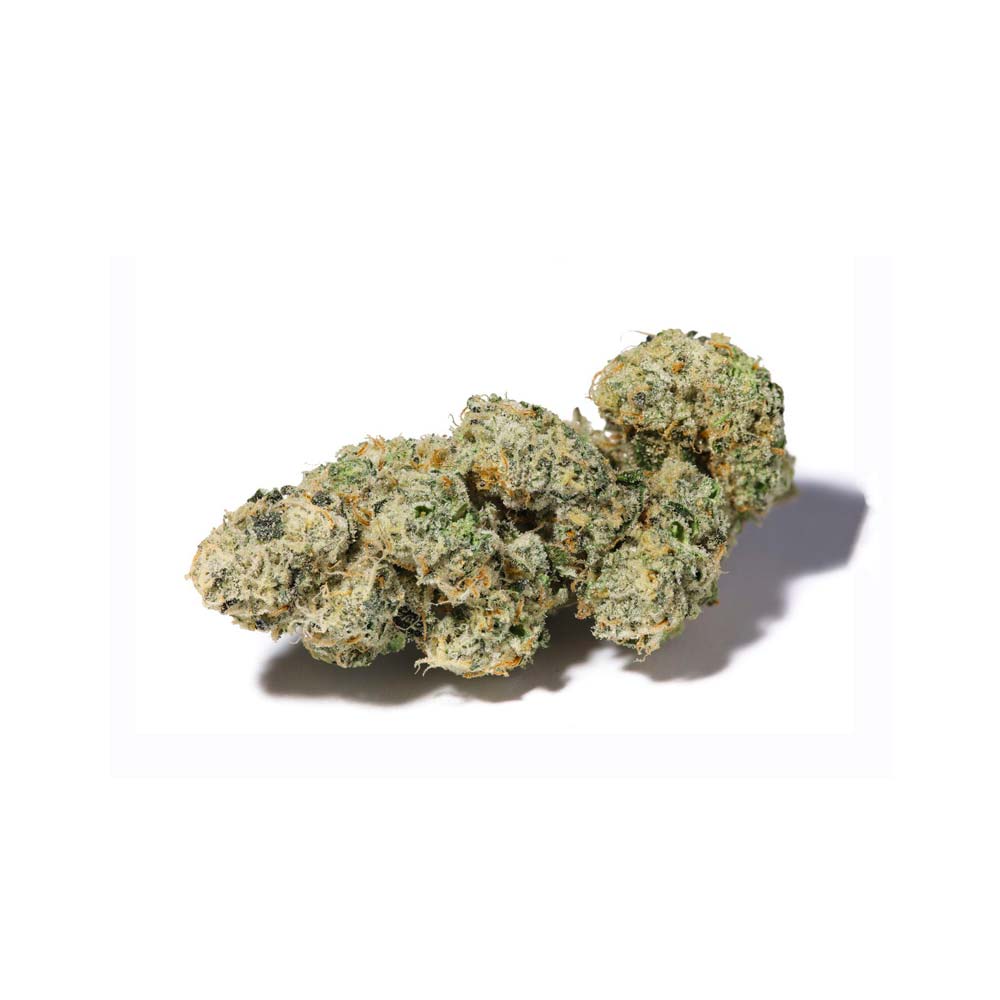
- Flower (dried cannabis): Traditional smoking or vaping of dried flower offers flexibility and immediate effects but presents less precise dosing. Many users appreciate the ritual aspect of this administration method.
- Capsules and edibles: These provide consistent dosing but produce delayed onset (1-3 hours) and prolonged effects, potentially affecting morning alertness if taken too late.
Dosing and Timing Before Bed
Optimal dosing timing is essential for maximising sleep benefits while minimising next-day residual effects. Most specialists recommend taking cannabis products 1-2 hours before intended sleep time, allowing absorption before bed while avoiding excessive morning impairment. Starting with low doses and gradually titrating upward helps identify the minimum effective dose and reduces tolerance development.
Typical evening doses range from 5-20mg THC equivalent, though individual requirements vary considerably. CBD-dominant products may require higher doses, ranging from 25-100mg or more. Healthcare providers can offer personalised dosing recommendations based on individual factors.
Tolerance and Sleep Quality Over Time
Regular cannabis use may lead to tolerance development, where increasing doses become necessary to achieve consistent sleep benefits. To minimise tolerance, many users implement drug holidays or occasional abstinence periods. Rotating between different cannabinoid profiles or strains may also help maintain treatment efficacy over extended periods.
Sleep quality itself may change with regular use, with some patients reporting improved deep sleep initially followed by tolerance-related diminishment. Monitoring sleep patterns and maintaining open communication with healthcare providers ensures treatment remains effective and appropriate.
UK Prescribing Patterns for Sleep
In the UK, medical cannabis prescribing for sleep disorders remains relatively specialised, with relatively few NHS prescriptions issued for this indication. Most sleep-related cannabis prescriptions occur within private clinics, where specialists can provide comprehensive assessment and ongoing management. Prescribing patterns typically favour balanced or CBD-dominant products initially, with THC-containing formulations reserved for patients who have demonstrated inadequate response to other options.
Combining Medical Cannabis with Sleep Hygiene
Medical cannabis works most effectively when combined with robust sleep hygiene practices. Maintaining consistent sleep schedules, optimising bedroom environment, limiting screen exposure before bed, and managing stress all contribute significantly to treatment success. Cannabis should complement, not replace, fundamental sleep hygiene principles.
Accessing Medical Cannabis Treatment at UK Clinics
Patients seeking medical cannabis for sleep disorders should consult healthcare providers at best UK cannabis clinics across the UK. These specialised clinics conduct thorough assessments, discuss potential benefits and risks, and develop individualised treatment plans. Private clinics offer greater accessibility than NHS services, with experienced specialists available to guide patients through the treatment journey.