
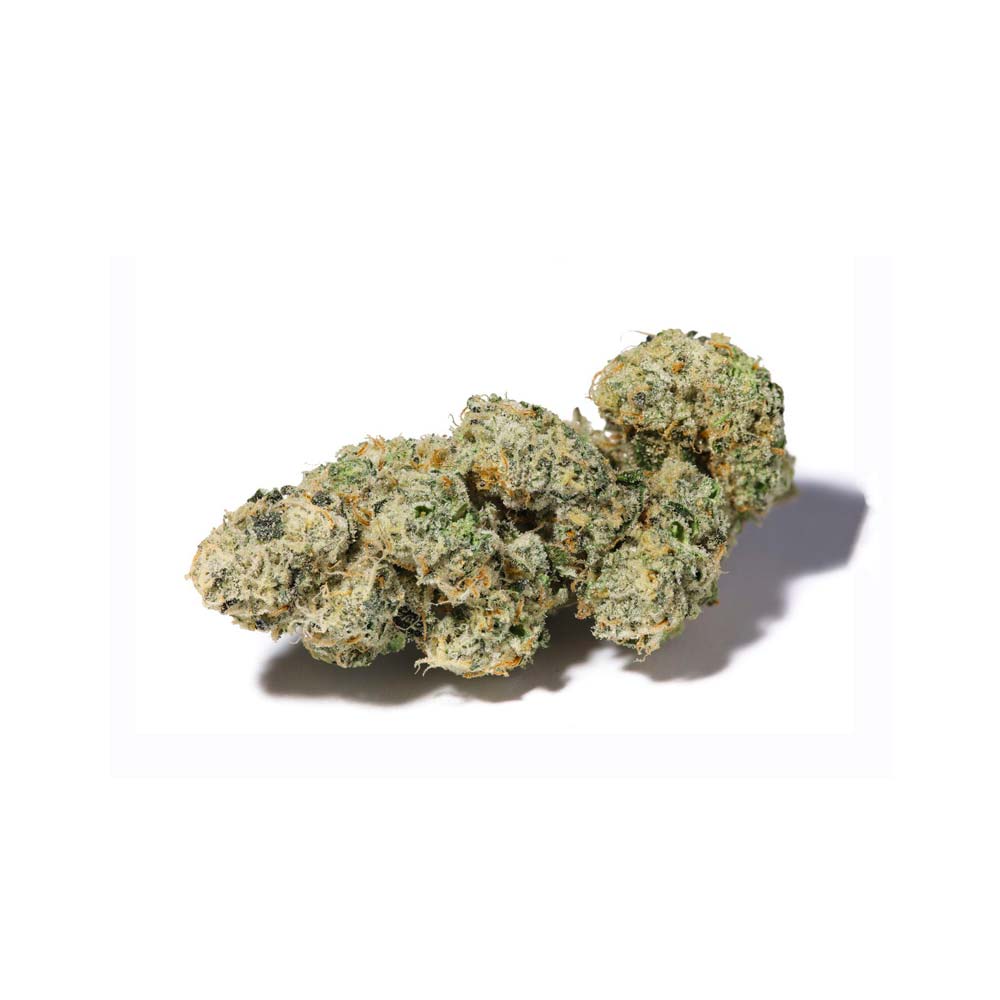
Medical Cannabis for Elderly UK – A Comprehensive Guide for Older Patients
The legalisation of medical cannabis in the UK has opened new therapeutic possibilities for patients across all age groups, particularly for elderly individuals managing chronic conditions. Cannabis elderly UK has become an increasingly relevant topic as more older people explore alternative treatment options. This guide provides essential information for seniors and their families considering medical cannabis as part of their healthcare regimen.
Understanding Medical Cannabis in the UK
Medical cannabis became legal in the UK in November 2018, enabling registered doctors to prescribe cannabis-based products for patients with specific medical conditions. Unlike recreational cannabis, medical cannabis is carefully regulated and must meet pharmaceutical standards. The UK’s regulatory framework ensures that products contain consistent levels of active compounds, primarily cannabidiol (CBD) and tetrahydrocannabinol (THC).
For elderly patients, understanding the distinction between medical cannabis and street cannabis is crucial. Prescribed medical cannabis products are manufactured under strict quality controls, whereas unregulated products may contain harmful contaminants or unpredictable potency levels. According to the Royal Pharmaceutical Society, over 50,000 NHS prescriptions for cannabis-based products have been issued since legalisation, with elderly patients representing a significant proportion of recipients.
Conditions Treated with Medical Cannabis
The National Institute for Health and Care Excellence (NICE) and medical professionals currently support cannabis-based treatments for specific conditions. Common conditions affecting elderly patients include:
- Chronic pain: Particularly neuropathic pain and cancer-related pain where conventional treatments have proven insufficient
- Multiple sclerosis: Particularly spasticity symptoms that cause muscle stiffness and rigidity
- Chemotherapy-induced nausea and vomiting: For cancer patients undergoing active treatment
- Epilepsy: Particularly severe or treatment-resistant forms
- Parkinson’s disease: Studies show promise for tremor and rigidity management
Each patient’s condition requires individual assessment. The prescribing doctor will evaluate whether conventional treatments have been exhausted before considering cannabis-based products as a therapeutic option.
Benefits of Medical Cannabis for Elderly Patients
Research increasingly demonstrates benefits of cannabis elderly UK treatment, particularly for managing symptoms that significantly impact quality of life. Key advantages include:
Pain Management: Cannabis-based products offer alternative pain relief without the addiction risks associated with opioids. A 2023 UK study found that 73% of elderly patients reported improved pain control after commencing medical cannabis treatment.
Reduced Medication Burden: Elderly patients often take multiple medications, creating complex drug interactions and side effects. Cannabis may reduce dependence on other pharmaceuticals, simplifying medication regimens and improving adherence.
Improved Sleep Quality: Sleep disturbances affect approximately 40% of elderly populations. Medical cannabis may improve sleep duration and quality without causing morning grogginess typical of traditional sedatives.
Anti-inflammatory Effects: CBD and THC possess anti-inflammatory properties beneficial for conditions like arthritis and autoimmune disorders prevalent in older populations.
Appetite Stimulation: For elderly patients experiencing appetite loss due to medication or illness, cannabis may enhance nutritional intake and prevent weight loss.
Risks and Considerations for Older Adults
Whilst medical cannabis offers potential benefits, elderly patients face specific risks requiring careful consideration. Older adults metabolise cannabinoids more slowly than younger people, potentially leading to prolonged effects and increased side effects at standard doses.
Falls and Balance Issues: THC can impair balance and coordination, increasing fall risk—a serious concern for elderly patients vulnerable to fractures and injury complications. The Royal College of Physicians recommends careful dose titration starting with low THC concentrations.
Cognitive Effects: Some patients experience temporary confusion, dizziness, or memory effects. These symptoms generally resolve with dose adjustment but require monitoring in patients with cognitive concerns.
Drug Interactions: Cannabis may interact with medications commonly used by elderly patients, including blood thinners, heart medications, and sedatives. Comprehensive medication review by healthcare professionals is essential before commencing treatment.
Driving Considerations: Legal driving implications exist for patients taking THC-containing products. Patients must inform the DVLA and their insurance provider accordingly.
How to Access Medical Cannabis as an Elderly Patient
The prescription process for cannabis elderly UK requires navigating specific channels. Patients cannot simply purchase medical cannabis from high street pharmacies; instead, they must:
Step 1: GP Consultation Begin with your general practitioner, who will assess your medical history, current medications, and whether cannabis might be appropriate for your condition. Many GPs lack cannabis experience, so consider requesting referral to a specialist.
Step 2: Specialist Assessment Private specialists and increasingly NHS hospital consultants conduct detailed evaluations. Consultants will review previous treatment attempts and establish baseline measurements for symptom severity.
Step 3: Prescription and Monitoring If approved, your best UK cannabis clinics will recommend specific cannabis products and dosing schedules. Initial prescriptions typically start with low doses, gradually increasing as tolerance and response are monitored.
Step 4: Pharmacy Dispensing Licensed pharmacies dispense prescribed cannabis products, ensuring correct dosing and providing patient education on administration methods.
Practical Administration Methods
Medical cannabis for elderly patients comes in various formulations. Oils and tinctures offer precise dosing and easy adjustment, ideal for seniors managing multiple conditions. Capsules provide convenient, pre-dosed options. Inhalation through vaporisers offers rapid symptom relief but requires pulmonary consideration in patients with respiratory conditions.
Topical creams and balms provide localised pain relief without systemic effects, making them particularly suitable for arthritis and musculoskeletal pain in elderly populations.
Current Evidence and Statistics
Research supports medical cannabis use in elderly populations. A 2022 survey by the Patients Association found that 87% of elderly cannabis users reported improved symptom management, with 64% reducing other medications. The British Pain Society increasingly recognises cannabis-based products as viable pain management options when conventional treatments fail.
Conclusion
Medical cannabis represents a potentially valuable therapeutic option for elderly UK patients with specific chronic conditions. Success requires careful assessment, individualised dosing, and continuous monitoring by healthcare professionals experienced in cannabis prescribing. Elderly patients considering this treatment should discuss options thoroughly with their doctors, ensuring informed decision-making aligned with their health goals and individual circumstances.