
Understanding Complex Regional Pain Syndrome and Cannabis Treatment in the UK
Complex Regional Pain Syndrome (CRPS) is a chronic pain condition that typically affects a limb following an injury, surgery, stroke, or heart attack. The pain experienced is disproportionate to the severity of the initial injury, characterised by burning sensations, swelling, changes in skin colour and temperature, and significant functional impairment. In the UK, CRPS affects approximately 5,000 to 26,000 people, yet many remain undiagnosed or undertreated due to limited conventional therapeutic options.
The condition exists in two types: Type 1 occurs without confirmed nerve injury, while Type 2 follows a documented nerve injury. Both forms involve complex neurobiological mechanisms including peripheral sensitisation, central sensitisation, and dysregulation of the immune and autonomic nervous systems. This multifactorial pathophysiology means traditional pain medications often prove inadequate, driving patients and researchers to explore alternative therapies, including medical cannabis.
The Evidence Base for Cannabis in CRPS Treatment
Research into cannabis for CRPS remains limited compared to other chronic pain conditions, yet emerging evidence is promising. A 2021 systematic review published in the Journal of Pain found that cannabinoids demonstrated efficacy in neuropathic pain conditions with mechanisms relevant to CRPS, including reduction of inflammatory cytokines and modulation of pain signalling pathways.
The therapeutic mechanism operates through multiple pathways. Tetrahydrocannabinol (THC) acts on CB1 receptors in the central nervous system to modulate pain perception and reduce neuroinflammation. Cannabidiol (CBD) provides anti-inflammatory and immunomodulatory effects without intoxication. Together, these cannabinoids address both the nociceptive and neuropathic components of CRPS pain, plus the associated anxiety and sleep disturbance that typically accompany the condition.
UK clinical experience, though anecdotal in many cases, indicates CRPS patients report significant pain reduction, improved sleep quality, and enhanced functional capacity following cannabis treatment initiation. Case reports document improvements in medication burden, with patients able to reduce reliance on opioids and other conventional analgesics that often cause side effects and carry addiction risks.
High-THC Products Available in the UK Market
For CRPS management, high-THC products are typically recommended due to superior analgesic properties compared to CBD-dominant preparations. The NHS and private specialists increasingly recognise THC’s efficacy in treatment-resistant pain conditions.
Nabilone is the primary pharmaceutical-grade THC option available through NHS prescription. This synthetic cannabinoid mimics THC’s effects and is licensed for chemotherapy-related nausea; however, specialists increasingly prescribe it off-label for chronic pain conditions including CRPS. Typical dosing ranges from 0.5mg to 2mg daily, titrated according to patient tolerance and efficacy.
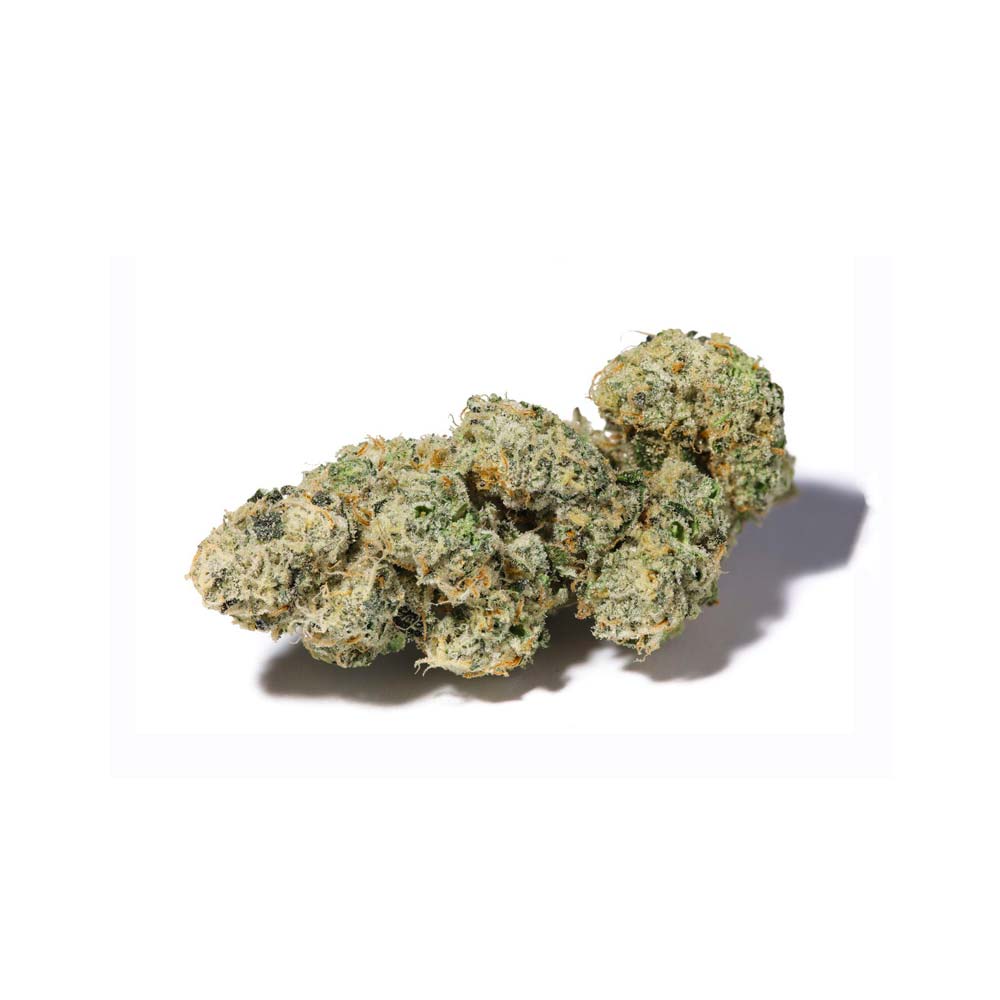
Whole-plant cannabis products offer superior therapeutic potential through the “entourage effect,” where multiple cannabinoids and terpenes work synergistically. The most beneficial products for CRPS contain THC levels between 15-25%, balanced with therapeutic CBD concentrations of 10-15%. Leading options include:
Adven THC 20:CBD 5 Flower provides excellent analgesic properties with balanced cannabinoid ratios. Patients report rapid symptom relief and sustained pain control throughout the day.
Khiron THC 17:CBD 4 delivers consistent cannabinoid profiles ideal for CRPS-related neuropathic pain, with terpenes including myrcene and pinene supporting anti-inflammatory benefits.
Grow Pharma THC 21:CBD 1 suits patients requiring maximum analgesia with minimal CBD interference, particularly effective for severe breakthrough pain episodes.
Dispensary cannabis oils offer concentrated THC, enabling precise dosing and rapid absorption via sublingual administration. Full-spectrum products containing complete cannabinoid and terpene profiles prove most effective for complex pain presentations.
Accessing Medical Cannabis Through UK Specialists
Following the November 2018 rescheduling of cannabis, specialist doctors can legally prescribe medical cannabis for eligible patients. However, NHS access remains restricted. The National Institute for Health and Care Excellence (NICE) currently provides guidance only for epilepsy, chemotherapy-induced nausea and multiple sclerosis spasticity.
CRPS falls outside these specified indications, necessitating private specialist consultation. Reputable specialist clinics employ rigorous assessment protocols, ensuring patients have exhausted conventional treatments before cannabis initiation. Consultations typically cost £150-300, with prescription fees between £5-15 per item through regulated pharmacies.
Once prescribed, patients must obtain cannabis exclusively through licensed UK pharmacies such as Dispensary Green, Sapphire Clinics, or specialist pharmacy networks. This ensures pharmaceutical-grade products, proper storage conditions, and professional guidance throughout treatment.
Optimising Treatment and Managing Expectations
CRPS cannabis treatment typically begins with low THC doses, gradually increasing until pain relief and tolerable side effects reach optimal balance. Most patients achieve therapeutic benefit within 2-4 weeks. Sublingual oils or inhalation provide faster onset than flower, supporting rapid symptom assessment.
Combining cannabis with physiotherapy, pain psychology, and graded exercise therapy maximises outcomes. Cannabis addresses pain barriers preventing rehabilitation participation, enabling comprehensive CRPS management.
Patients should expect detailed symptom tracking, regular specialist review, and ongoing dose adjustment. Quality of life improvements typically exceed pain reduction alone, with better sleep, reduced anxiety, and improved social engagement dramatically enhancing outcomes.
Conclusion
Medical cannabis, particularly high-THC whole-plant products, represents a significant therapeutic advance for CRPS sufferers where conventional treatment fails. Evidence supports cannabinoid efficacy, specialist access is expanding, and patient outcomes demonstrate substantial benefit. UK patients with refractory CRPS warrant specialist evaluation for potential cannabis-based treatments.