
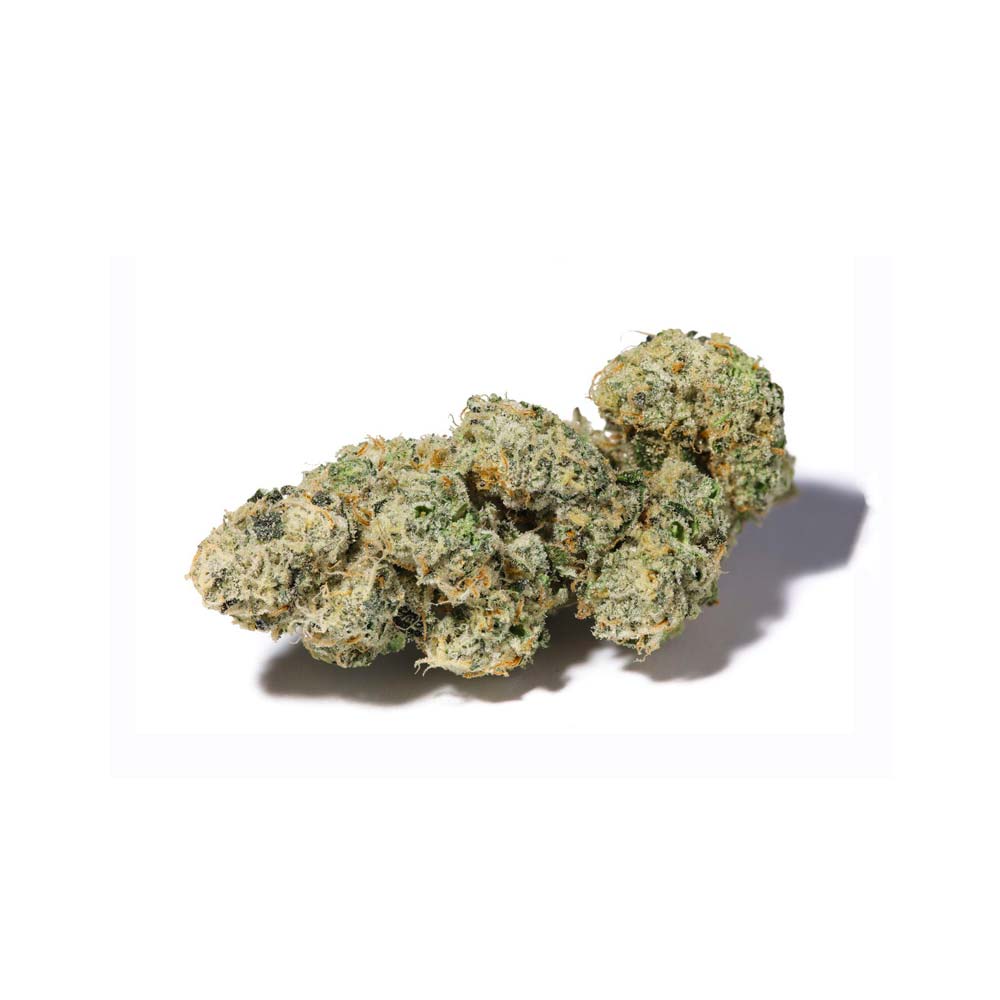
Candy Kush Strain Guide: Effects, THC Content & UK Medical Cannabis Information
The Candy Kush strain has become increasingly popular among UK cannabis enthusiasts and medical patients seeking a balanced, enjoyable experience. This comprehensive guide explores everything you need to know about this distinctive hybrid, from its genetic heritage to its potential therapeutic applications within the UK’s evolving medical cannabis landscape.
Genetics and Lineage
The Candy Kush strain is a hybrid cross between two renowned cannabis varieties: OG Kush and Trainwreck. This combination creates an interesting balance between the famous West Coast OG characteristics and the potent, uplifting qualities of Trainwreck.
OG Kush contributes its legendary status in cannabis culture, known for producing dense, resinous buds with distinctive aromatic properties. Trainwreck, conversely, brings an energetic and cerebral influence to the mix. The resulting Candy Kush strain represents a well-rounded hybrid that typically exhibits 60% indica and 40% sativa characteristics, making it suitable for various user preferences and consumption times.
The strain was developed to enhance flavour profiles and deliver consistent effects, earning its “Candy” designation due to its notably sweet taste and aroma. Breeders specifically selected parent plants demonstrating these desirable traits, resulting in a strain that appeals to both recreational and medicinal user bases.
THC and CBD Content
Candy Kush strain typically contains THC levels ranging between 16% and 22%, positioning it as a moderately potent cannabis variety suitable for intermediate to experienced users. The specific cannabinoid profile can vary depending on cultivation methods and phenotype expression.
CBD content in Candy Kush usually remains low, typically below 1%, meaning this strain primarily delivers therapeutic and recreational effects through THC interaction with the body’s endocannabinoid system. This minimal CBD concentration distinguishes it from CBD-dominant strains preferred by some UK medical patients seeking non-intoxicating options.
For UK medical cannabis patients, understanding cannabinoid ratios proves essential. Whilst Candy Kush’s higher THC content may not suit all medical applications, it offers potential benefits for conditions requiring stronger cannabinoid effects. Medical practitioners prescribing cannabis in the UK should discuss THC/CBD ratios thoroughly with patients before recommending this particular strain.
Effects and Experience
Users typically report the following effects when consuming Candy Kush strain:
- Initial cerebral uplift and mental clarity
- Enhanced mood and euphoria
- Relaxation without heavy sedation
- Increased creativity and focus
- Body relaxation developing gradually
- Reduced stress and anxiety (in moderate doses)
- Mild psychoactive sensations manageable for most users
- Generally shorter duration than indica-heavy strains
The balanced hybrid nature of Candy Kush means onset timing falls somewhere between pure indicas and sativas. Initial effects typically manifest within 5-15 minutes when smoked, with peak effects occurring around 30-60 minutes. The overall experience duration generally lasts 2-4 hours, though individual responses vary based on consumption method, tolerance levels, and personal metabolism.
Daytime consumption remains viable for many users due to the sativa influence, though the indica components prevent excessive stimulation. Evening use is equally suitable, as the strain rarely produces heavy couch-lock associated with indica-dominant varieties.
Terpene Profile
Candy Kush strain displays a diverse terpene profile contributing to its distinctive effects and sensory experience. Primary terpenes typically include:
Myrcene: The most abundant terpene in most cannabis varieties, myrcene produces earthy undertones and contributes to the strain’s relaxing properties. This terpene works synergistically with THC to enhance overall effects.
Limonene: Present in significant quantities, limonene delivers citrus aromatics and mood-elevating properties. This terpene contributes to the “candy” character and provides potential anti-anxiety benefits.
Caryophyllene: This spicy, peppery terpene adds complexity to the flavour profile whilst offering anti-inflammatory and analgesic properties valued in medical applications.
Pinene: Contributing piney, fresh notes, pinene may support alertness and respiratory function, balancing the more sedative terpenes present.
This comprehensive terpene combination creates what experienced users describe as a well-rounded, multi-faceted experience rather than a one-dimensional effect profile.
Flavour and Aroma
True to its name, the Candy Kush strain exhibits predominantly sweet aromatics with complex underlying notes. Primary flavour characteristics include:
Consumers report immediate sweet candy-like impressions on first encounter, followed by subtle earthy and herbal undertones from the OG Kush heritage. Subtle spice notes emerge from the caryophyllene terpene, adding sophistication to what might otherwise be a one-dimensional sweet profile. Some phenotypes display citrus characteristics from the limonene content, creating a more complex bouquet.
The aroma proves equally pleasant, with freshly ground buds releasing strong sweet fragrances alongside subtle pine and earth notes. When combusted or vaporised, the sweet character remains prominent whilst developing more pronounced woody and herbal undertones. This appealing flavour profile has contributed significantly to Candy Kush’s popularity among recreational users.
Medicinal Uses and UK Medical Cannabis
Within the UK’s regulated medical cannabis framework, Candy Kush strain may offer therapeutic potential for several conditions:
Chronic Pain Management: The combined analgesic properties of THC and caryophyllene may assist patients managing persistent pain conditions. UK medical practitioners sometimes consider higher-THC strains for patients with established opioid tolerance.
Anxiety and Stress: In appropriate doses, Candy Kush’s mood-elevating effects may benefit anxiety sufferers. The balanced hybrid nature prevents excessive stimulation that might exacerbate anxiety in some individuals.
Depression and Mood Disorders: Limonene and the strain’s generally uplifting effects may support patients experiencing depressive symptoms.
Insomnia: The indica influence provides relaxation supporting sleep onset, though the sativa component prevents complete sedation unsuitable for some patients.
Appetite Stimulation: Cannabis patients undergoing chemotherapy or experiencing appetite loss may find Candy Kush beneficial.
UK Medical Cannabis Availability
Medical cannabis remains strictly regulated in the UK. Since November 2018, specialist doctors can legally prescribe cannabis-based medicinal products for patients with specific conditions where conventional treatments have failed.
Whilst whole-plant cannabis products remain technically illegal for recreational use, UK medical patients with appropriate prescriptions can access various cannabis medicines through private clinics and the NHS (in limited circumstances). However, pharmaceutical cannabis products currently available on prescription differ from street cannabis varieties.
Patients seeking Candy Kush specifically should consult registered medical cannabis best UK cannabis clinics who can discuss whether this particular strain profile suits their condition. Most UK medical provision currently emphasises standardised pharmaceutical products rather than specific strain names, though this landscape continues evolving.
Conclusion
Candy Kush strain represents a balanced, approachable hybrid suitable for various users seeking sweet flavours combined with manageable effects. Whether for recreational enjoyment or potential medical application, understanding its genetic heritage, cannabinoid content, and terpene profile enables informed consumption decisions. UK residents considering Candy Kush should remain mindful of current legal restrictions whilst staying informed about developing medical cannabis opportunities through proper medical channels.