
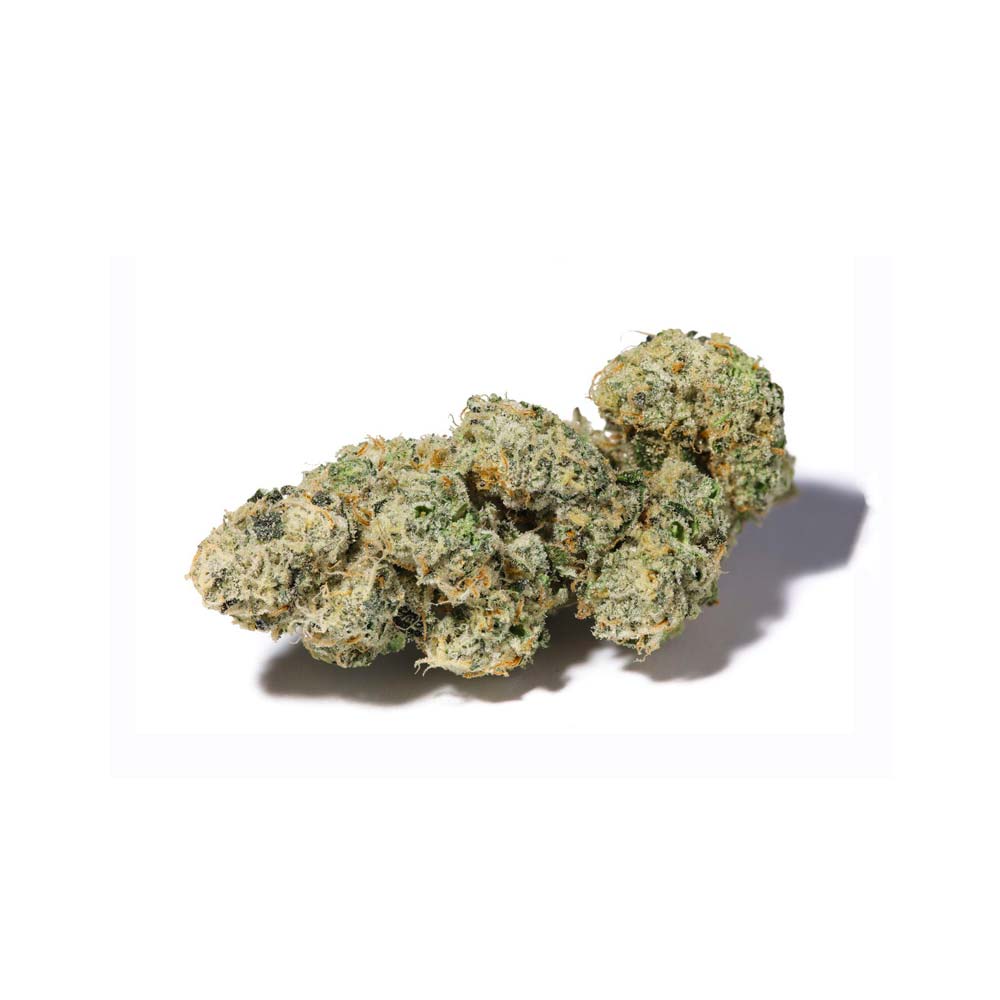
Best Cannabis Strains for Cancer Patients UK: A Comprehensive Guide
The use of cannabis for cancer symptom management has gained significant traction in the United Kingdom, particularly following the legalisation of medical cannabis in 2018. Whilst cannabis cannot cure cancer, research suggests that certain strains may help alleviate chemotherapy side effects, including nausea, pain, and loss of appetite. This guide explores the best cannabis strains for cancer patients in the UK, helping you understand what options may be available through medical channels.
Understanding Cannabis and Cancer Treatment
Cancer patients often face debilitating side effects from conventional treatments such as chemotherapy and radiation. According to Cancer Research UK, approximately 50% of cancer patients experience chemotherapy-induced nausea and vomiting (CINV), whilst chronic pain affects up to 64% of those undergoing active treatment.
Cannabis contains over 120 cannabinoids, with cannabidiol (CBD) and tetrahydrocannabinol (THC) being the most researched. Rather than treating cancer directly, these compounds may help manage symptoms and improve quality of life during treatment. The entourage effect—where multiple cannabinoids work synergistically—suggests that full-spectrum strains may offer greater therapeutic benefit than isolated compounds.
High-CBD Strains: Symptom Relief Without Intoxication
High-CBD strains are increasingly popular amongst cancer patients seeking therapeutic benefits without significant psychoactive effects. CBD has demonstrated anti-inflammatory, analgesic, and anti-emetic properties in preliminary research.
Charlotte’s Web remains one of the most recognised high-CBD strains worldwide. With CBD levels reaching 15-20% and minimal THC content, it provides pain relief and reduced anxiety without substantial intoxication. Many UK patients prefer this strain for daytime use during active treatment.
Harlequin offers a balanced CBD-to-THC ratio of approximately 5:2. This strain combines symptom relief with gentle therapeutic effects, making it suitable for patients managing both pain and emotional distress related to their diagnosis.
Cannatonic delivers consistent CBD levels of 6-15% with equally low THC content. Research published in the British Journal of Pharmacology highlights CBD’s potential in reducing tumour-related inflammation, though more human trials are needed.
Balanced THC and CBD Strains
Strains balancing THC and CBD offer comprehensive symptom management. These formulations may address multiple cancer-related complications simultaneously, from pain management to appetite stimulation.
Pennywise contains approximately equal parts THC and CBD, providing pain relief whilst maintaining clarity for patients managing treatment schedules and medical appointments. Its anti-inflammatory properties make it particularly suitable for those experiencing inflammatory responses to chemotherapy.
AC/DC provides CBD levels of 10-20% with moderate THC content of 1-6%. This strain particularly benefits patients experiencing neuropathic pain, a common side effect of certain cancer medications.
THC-Dominant Strains for Advanced Symptoms
Whilst high-THC strains carry stronger psychoactive effects, they may be appropriate for cancer patients managing severe symptoms under medical supervision. THC demonstrates potent anti-emetic and appetite-stimulating properties crucial for patients struggling to maintain nutritional intake during treatment.
OG Kush contains THC levels of 19-25% and is recognised for powerful pain relief and nausea reduction. Many UK oncology patients report significant appetite improvement following consumption, essential for maintaining strength during gruelling treatment regimens.
Granddaddy Purple combines sedative and analgesic properties, offering particular benefit to cancer patients experiencing treatment-related insomnia. Sleep disruption affects approximately 60% of cancer patients, making this strain’s restorative qualities particularly valuable.
Emerging Strains with Therapeutic Promise
Ringo’s Gift represents newer breeding innovations, offering high CBD content (15-25%) with minimal THC. Developed specifically for medical applications, its cannabinoid profile makes it an excellent choice for patients seeking consistent, predictable therapeutic effects.
Sour Tsunami delivers CBD levels up to 11% whilst maintaining low psychoactivity. Its uplifting properties help counter depression and anxiety frequently accompanying cancer diagnosis and treatment.
Legal Access to Medical Cannabis in the UK
As of November 2018, cannabis-based medicinal products are legally available in the UK when prescribed by registered specialists. However, access remains restricted. Only patients who have exhausted conventional treatment options typically qualify for prescriptions, meaning cancer patients must demonstrate insufficient symptom relief from standard pharmaceuticals.
The NHS prescribes three licensed products: Sativex (containing both THC and CBD), Epidyolex (pure CBD), and Nabilone (synthetic THC analogue). Alternatively, private consultants may prescribe other cannabis-derived medications, though costs typically exceed £500-£1000 monthly.
Consumption Methods and Dosing Considerations
Cancer patients should discuss consumption methods with their medical team, as different routes affect bioavailability and symptom relief timing. Vaporisation provides faster symptom relief suitable for acute nausea, whilst edibles offer longer-lasting effects beneficial for chronic pain management.
Starting with low doses (5-10mg THC equivalent) and gradually increasing helps identify optimal therapeutic windows whilst minimising adverse effects. Individual tolerance varies significantly based on body weight, metabolism, and concurrent medications.
Important Considerations and Contraindications
Cannabis may interact with certain chemotherapy medications and immunosuppressants. Patients must disclose all cannabis use to their oncology teams, particularly regarding high-THC strains potentially affecting cognitive function during treatment planning.
Pulmonary complications from smoking necessitate vaporisation or oral consumption for respiratory-compromised patients. Additionally, cannabis may exacerbate anxiety in some individuals, making careful strain selection essential.
Conclusion
The best cannabis strains for cancer patients in the UK depend on individual symptom profiles, treatment stages, and medical history. High-CBD strains like Charlotte’s Web offer symptom relief without intoxication, whilst balanced formulations provide comprehensive management of multiple treatment-related complications. THC-dominant strains remain appropriate for selected symptoms under medical supervision.
UK cancer patients should approach cannabis therapeutically, seeking guidance from oncology teams and specialised best UK cannabis clinics. Whilst research continues expanding our understanding of cannabinoid efficacy in cancer symptom management, current evidence suggests carefully selected strains may significantly improve quality of life during treatment, complementing rather than replacing conventional medical interventions.