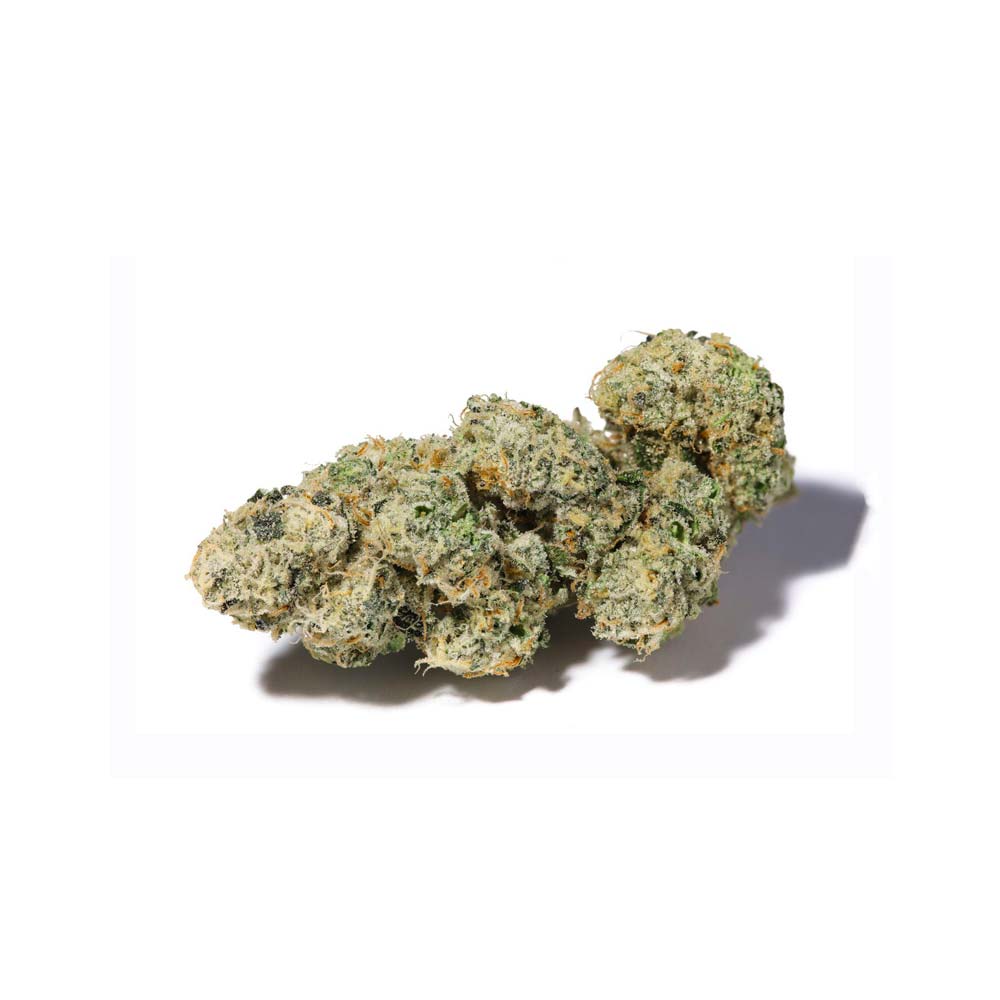
Imported Medical Cannabis Brands in UK: Complete Guide
Imported Medical Cannabis Brands in the UK: A Comprehensive Guide
The United Kingdom’s medical cannabis market is predominantly supplied by imported products, despite growing domestic cultivation efforts. Understanding the landscape of imported brands, source countries, and regulations is essential for patients seeking legal access to cannabis-based medicines. This guide covers the major players in the imported medical cannabis market and what patients need to know.
Why the UK Relies on Imported Medical Cannabis
Despite legalizing medical cannabis in 2018, the UK has developed limited domestic production capacity. Several factors contribute to this reliance on imports. First, domestic growers face stringent licensing requirements and high startup costs, making cultivation economically challenging. Second, established international producers have years of expertise in producing pharmaceutical-grade cannabis to meet strict quality standards. Third, international supply chains are already mature, making imports more immediately available than waiting for domestic infrastructure to develop.
Currently, only a handful of UK-based growers hold cultivation licenses, and their production capacity remains limited. This means that for the foreseeable future, imported products will remain the primary source for medical cannabis prescriptions in the UK.
Several countries dominate the supply of medical cannabis to the UK market. Canada leads in volume and brand recognition, followed by the Netherlands, Germany, Portugal, and Australia. Each country brings different strengths to the market.
Canada has the most established medical cannabis industry globally, with companies like Aurora, Tilray, and Organigram operating at scale. The Netherlands is home to traditional cannabis pharmacies and producers like Bedrocan, which has been cultivating cannabis for pharmaceutical use since 1998. Germany has developed a robust domestic medical cannabis industry with strict quality controls. Portugal produces cannabis for pharmaceutical purposes and exports to various European markets. Australia has rapidly scaled production in recent years and now exports internationally.
Key Imported Brands Available in UK Pharmacies
Several major brands are readily available through UK pharmacies. Aurora, a Canadian producer, offers multiple product varieties including dried flowers with varying cannabinoid profiles. Bedrocan, the Dutch pioneer, supplies several well-established varieties used in medical settings across Europe. Khiron, a Latin American producer, has entered the UK market with competitively priced options.
Additional brands available include Tilray (Canada), Organigram (Canada), Spectrum Therapeutics (Canada), and Growing Solutions (Portugal). Each brand offers different flower varieties, oils, and other formulations. The availability of specific products fluctuates based on stock, import schedules, and licensing agreements with UK distributors.
Patients seeking these products should consult with their prescribing clinician about availability. Many best UK cannabis clinics maintain relationships with specific suppliers and can discuss which imported brands they work with regularly.
Import Regulations and Quality Standards
All medical cannabis entering the UK must meet rigorous regulatory requirements. Products must comply with either EU-GMP (Good Manufacturing Practice) standards or equivalent certifications. EU-GMP accreditation ensures that products are manufactured consistently and meet pharmaceutical-grade quality standards regarding purity, potency, and contaminants.
The UK Home Office carefully monitors all medical cannabis imports. Products must be imported through licensed wholesale distributors, and each import requires proper documentation. Cannabis flowers and oils must be tested for cannabinoid content, pesticides, microbial contamination, and heavy metals before reaching patients.
Imported products must include accurate labeling of THC and CBD content, alongside other cannabinoids and terpenes. This standardization is critical for medical use, as patients require consistent dosing and predictable effects. Products cannot contain levels of contamination or unlisted additives.
Quality and Consistency: Imported Brands Compared
Quality varies somewhat between imported brands, though all must meet baseline standards. Bedrocan products are renowned for consistency, as the Dutch producer has decades of experience standardizing cannabis cultivation for pharmaceutical use. Their flowers typically have well-documented cannabinoid profiles and minimal batch variation.
Canadian producers like Aurora prioritize consistency across large-scale operations, though some patients report occasional variations in effects between batches. Tilray also maintains strong quality standards but commands higher prices than some competitors. Newer entrants like Khiron compete partly on price while maintaining quality certification.
The perception of quality often depends on individual patient response. Some patients prefer the established Bedrocan varieties due to consistent effects, while others find Canadian products suit their needs better. Discussing options with experienced best UK cannabis clinics helps patients find the brand most suitable for their condition.
Accessing Imported Medical Cannabis in the UK
Legal access to medical cannabis in the UK requires a Schedule 2 prescription from a registered specialist clinician. General practitioners cannot prescribe medical cannabis, though they can refer patients to specialists who can evaluate their eligibility.
Patients must have tried conventional treatments without adequate relief before medical cannabis is typically considered. Once prescribed, patients obtain their medication through licensed pharmacies, which source from authorized distributors importing these products.
The prescription process involves consultation with a specialist clinic, which may require multiple appointments. Specialist clinicians evaluate medical history, current medications, and specific conditions to determine if medical cannabis is appropriate and select suitable imported products.
Pricing and Cost Considerations
Monthly costs for imported medical cannabis typically range from £150 to £400, depending on the product, dosage, and clinic. This variation reflects differences in brand pricing, the specific product chosen, and how much patients require monthly.
Some patients can access cannabis through NHS prescriptions at no cost, though this remains limited due to restrictive guidelines. Most patients access medical cannabis privately, bearing the full cost. Insurance coverage is rare, and savings programs vary by clinic and brand.
The Future: Domestic Production vs. Imported Supply
The UK’s future medical cannabis supply will likely involve a gradual shift toward increased domestic production. However, imported products will remain significant for several years. Establishing UK cultivation capacity requires time, investment, and regulatory navigation.
As domestic producers increase output and prove their capacity, prices may decline as competition increases. However, many patients prefer established imported brands, and international trade agreements will continue facilitating imports.
The evolving UK medical cannabis landscape suggests future availability of both domestic and imported options, giving patients greater choice and potentially improving affordability over time.
Medical Disclaimer: The information on this page is for educational purposes only and does not constitute medical advice. Always consult a licensed healthcare professional before starting any new treatment.
https://cannazen.co.uk/wp-content/uploads/2026/01/cosmic-mac-cannabis-doctor-prescription-pharmacy-shop-blute.jpg10001000CannaZen UK Editorial Teamhttps://cannazen.co.uk/wp-content/uploads/2026/01/cannazen-shop-lieferung-cannabis-weed-hemp-online.svgCannaZen UK Editorial Team2026-05-15 10:47:032026-05-23 10:41:27Imported Medical Cannabis Brands in UK: Complete Guide
Imported Medical Cannabis Brands in UK: Complete Guide
Understanding UK Medical Cannabis Imports
The United Kingdom’s medical cannabis market relies heavily on imported products, with the majority of available medicines originating from overseas producers. Despite domestic cultivation being legal since 2018, the UK produces minimal quantities of medical cannabis for pharmaceutical use. This paradox stems from several interconnected factors: limited domestic infrastructure, restrictive licensing requirements, lengthy cultivation timelines, and the immediate clinical need for approved products. Import remains the pragmatic solution to meet patient demand while domestic production capacity gradually develops.
Why the UK Imports Medical Cannabis
Several key reasons explain Britain’s dependence on imported medical cannabis products. First, domestic production remains minimal because only a handful of licensed cultivators operate in the UK, with production capacity struggling to meet demand. The licensing process is rigorous and time-consuming, deterring investment from many potential producers. Second, established overseas manufacturers already possess the necessary quality certifications, track records, and distribution networks. Third, importing from established producers provides immediate access to proven formulations and consistent quality standards. Finally, economic factors favour imports: international manufacturers have economies of scale and optimized production processes that make their products competitively priced compared to new UK producers.
This reliance on imports means British patients benefit from the global expertise of established cannabis pharmaceutical manufacturers, though it also creates supply chain vulnerabilities and pricing dynamics influenced by currency fluctuations and international trade relationships.
Canada represents the largest source of imported medical cannabis for UK pharmacies. Canadian licensed producers like Aurora operate under Health Canada’s strict regulations, producing both dried flower and standardized extracts. Their established supply chains and significant production capacity make Canadian products readily available across UK dispensaries.
The Netherlands supplies notable quantities through established pharmaceutical manufacturers. Bedrocan, a Dutch company, has supplied medical cannabis to multiple European countries for decades, including the UK. Dutch producers benefit from Europe’s proximity and long-standing experience in standardized cannabis cultivation for medical purposes.
Germany hosts significant medical cannabis production under EU-GMP regulations. German manufacturers focus on pharmaceutical-grade products with rigorous quality control, appealing to UK importers seeking European suppliers with established regulatory compliance.
Portugal has emerged as an increasingly important source following its liberalization of cultivation for export. Portuguese producers offer competitive pricing while meeting international quality standards, diversifying UK supply sources.
Australia also exports medical cannabis products to international markets including the UK. Australian producers operate under strict government licensing, though lower production volumes and export restrictions limit their market presence compared to Canadian or Dutch suppliers.
Key Imported Brands in UK Pharmacies
Aurora (Canada) stands as one of the UK’s most available imported brands. Aurora supplies multiple cannabis formulations including dried flower at various cannabinoid ratios and standardized oils. Their products are available through most UK dispensaries and represent a significant portion of imported supply.
Bedrocan (Netherlands) brings extensive European experience to the UK market. Known for consistent, pharmaceutical-grade cannabis, Bedrocan produces standardized strains with precise THC and CBD ratios. Their products have been used across European medical markets for years, establishing a track record of reliability.
Khiron represents another major imported brand, offering various formulations to UK patients. Khiron operates internationally and supplies the UK market through established pharmaceutical distribution networks.
Other notable imported brands include products from European producers meeting EU-GMP standards, though availability varies by pharmacy and changes as import arrangements evolve. Patients seeking specific brands should consult with their prescribing clinician or check with individual pharmacies, as stock varies regionally.
Import Regulations and Quality Standards
All imported medical cannabis products entering the UK must meet rigorous regulatory requirements. Products must comply with the Medicines and Healthcare products Regulatory Agency (MHRA) standards or equivalent certifications from source countries. EU-GMP (European Good Manufacturing Practice) certification is considered equivalent and widely accepted for imported products.
Imported cannabis products undergo testing for potency, purity, microbial contamination, pesticide residues, and heavy metals. Batch testing documentation must accompany products, ensuring traceability from cultivation through importation. Products must be packaged and labelled according to UK pharmaceutical standards, including clear cannabinoid content, dosage instructions, and warning information.
Import licensing requires that suppliers maintain documented relationships with UK-authorized distributors. Products cannot be imported directly by patients or obtained through alternative channels; all imports flow through licensed pharmaceutical supply chains.
Comparing Imported Brands on Quality and Consistency
Imported brands vary in consistency and quality based on their source country regulations and manufacturing practices. Canadian producers like Aurora generally offer high consistency due to Health Canada’s comprehensive regulatory oversight and sophisticated production facilities. Batches typically show minimal variation in cannabinoid content and purity profiles.
Dutch and German manufacturers emphasize pharmaceutical-grade standardization, often achieving tighter tolerances for THC and CBD content than some competitors. This appeals to patients seeking predictable dosing and consistent therapeutic effects. European products benefit from proximity to UK markets, potentially reducing storage time and maintaining optimal product condition.
All imported products require third-party testing documentation before release. Patients should expect consistency within specified ranges, though minor batch-to-batch variations remain normal in any agricultural product. Quality differences between brands are often minimal when both meet regulatory standards, making physician recommendation and individual patient response important factors in product selection.
How UK Patients Access Imported Products
Accessing imported medical cannabis requires a Schedule 2 prescription from an authorized clinician. Best best UK cannabis clinicss UK and private specialists can issue these prescriptions after clinical assessment. The NHS rarely prescribes cannabis products, with most patients obtaining prescriptions through private clinics.
Once prescribed, patients obtain imported products through licensed UK pharmacies. Pharmacists verify prescriptions, provide product guidance, and handle dispensing. Products cannot be ordered directly from overseas manufacturers; all supply routes operate through UK pharmaceutical distribution channels.
Private prescriptions typically cost between £150-£400 monthly, depending on product type and dosage. Consultation fees with private clinicians range from £100-£300 initially, with ongoing review appointments required. Some insurers cover medical cannabis prescriptions, though coverage remains limited.
Pricing Context
Imported medical cannabis products in UK pharmacies typically cost between £150-£400 monthly for standard therapeutic doses. Dried flower products generally fall at the lower end, while standardized extracts and oils command premium prices. Currency exchange rates, import duties, and distribution margins influence final pricing.
Prescription and consultation costs add significantly to overall expenses, particularly for those using private clinics rather than NHS pathways (which remain extremely limited). Many patients budget £300-£500 monthly when accounting for clinical consultations, prescriptions, and product supply.
Future of UK Domestic versus Imported Supply
The UK cannabis market is gradually shifting toward increased domestic production, though this transition will take years. As domestic cultivators expand capacity and overcome regulatory hurdles, reliance on imports may decrease. However, international sourcing likely remains permanent for several reasons: certain cultivars perform better in specific climates, established brands maintain patient loyalty, and global competition maintains pricing discipline.
Future UK supply will probably feature a balanced portfolio of domestic and imported products, with patients and clinicians choosing based on therapeutic needs, cost, and availability. Regulatory frameworks continue evolving, potentially streamlining both domestic production and import procedures. Until then, imported products from Canada, the Netherlands, Germany, Portugal, and Australia will remain essential to UK medical cannabis availability.
Medical Disclaimer: The information on this page is for educational purposes only and does not constitute medical advice. Always consult a licensed healthcare professional before starting any new treatment.
https://cannazen.co.uk/wp-content/uploads/2026/01/cosmic-mac-cannabis-doctor-prescription-pharmacy-shop-blute.jpg10001000CannaZen UK Editorial Teamhttps://cannazen.co.uk/wp-content/uploads/2026/01/cannazen-shop-lieferung-cannabis-weed-hemp-online.svgCannaZen UK Editorial Team2026-05-15 10:45:252026-05-15 18:52:10Imported Medical Cannabis Brands in UK: Complete Guide
We may request cookies to be set on your device. We use cookies to let us know when you visit our websites, how you interact with us, to enrich your user experience, and to customize your relationship with our website.
Click on the different category headings to find out more. You can also change some of your preferences. Note that blocking some types of cookies may impact your experience on our websites and the services we are able to offer.
Essential Website Cookies
These cookies are strictly necessary to provide you with services available through our website and to use some of its features.
Because these cookies are strictly necessary to deliver the website, refusing them will have impact how our site functions. You always can block or delete cookies by changing your browser settings and force blocking all cookies on this website. But this will always prompt you to accept/refuse cookies when revisiting our site.
We fully respect if you want to refuse cookies but to avoid asking you again and again kindly allow us to store a cookie for that. You are free to opt out any time or opt in for other cookies to get a better experience. If you refuse cookies we will remove all set cookies in our domain.
We provide you with a list of stored cookies on your computer in our domain so you can check what we stored. Due to security reasons we are not able to show or modify cookies from other domains. You can check these in your browser security settings.
Google Analytics Cookies
These cookies collect information that is used either in aggregate form to help us understand how our website is being used or how effective our marketing campaigns are, or to help us customize our website and application for you in order to enhance your experience.
If you do not want that we track your visit to our site you can disable tracking in your browser here:
Other external services
We also use different external services like Google Webfonts, Google Maps, and external Video providers. Since these providers may collect personal data like your IP address we allow you to block them here. Please be aware that this might heavily reduce the functionality and appearance of our site. Changes will take effect once you reload the page.
Google Webfont Settings:
Google Map Settings:
Google reCaptcha Settings:
Vimeo and Youtube video embeds:
Other cookies
The following cookies are also needed - You can choose if you want to allow them:
Privacy Policy
You can read about our cookies and privacy settings in detail on our Privacy Policy Page.