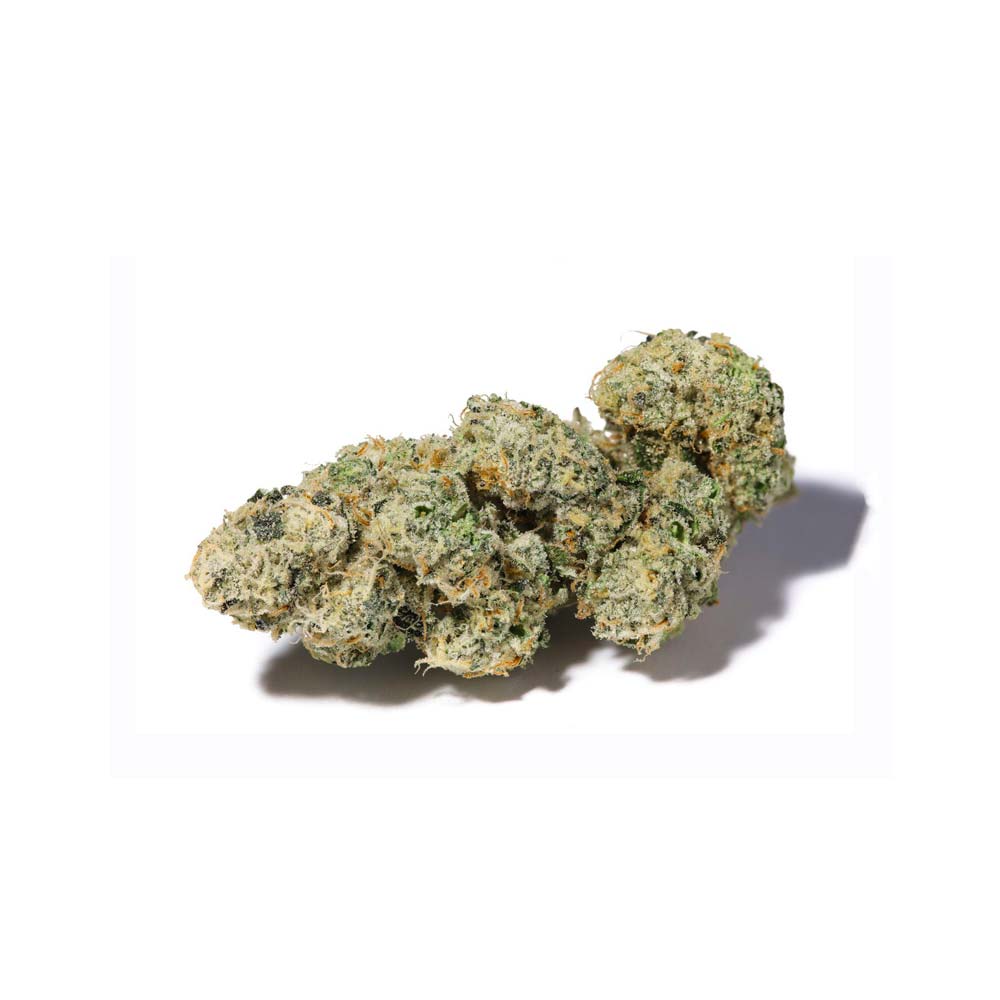
Nerolidol Terpene: Sedative, Antimicrobial Cannabis UK
Nerolidol in Cannabis: A Comprehensive Guide for UK Medical Patients
Nerolidol is a sesquiterpene compound increasingly recognised for its therapeutic potential within cannabis medicine. For UK medical patients, understanding the role of nerolidol and its presence in specific cannabis strains can help optimise treatment outcomes. This guide examines what nerolidol is, its natural sources, its effects on the body and mind, and which strains UK medical patients should consider when prescribed cannabis products.
What is Nerolidol and Where Is It Found in Nature?
Nerolidol is a naturally occurring sesquiterpene—a class of organic compounds produced by numerous plants. It exists in two chemical forms: (S)-nerolidol and (R)-nerolidol, with both demonstrating distinct biological activities. In the cannabis plant, nerolidol contributes to the aromatic profile and chemical composition, though it is typically present in lower concentrations compared to other terpenes like myrcene or limonene.
Beyond cannabis, nerolidol is abundant in several botanically significant plants traditionally used in herbal medicine:
Neroli: Derived from bitter orange blossoms, neroli essential oil contains substantial nerolidol and has been used in perfumery and aromatherapy for centuries.
Ginger: This widely consumed culinary root contains nerolidol alongside its recognised anti-inflammatory compounds.
Jasmine: The fragrant flowers of jasmine plants produce nerolidol, contributing to their distinctive scent.
Lavender: A staple in traditional medicine, lavender contains nerolidol as part of its complex essential oil composition.
Tea Tree: Australian tea tree oil, renowned for antimicrobial properties, contains notable concentrations of nerolidol.
The widespread presence of nerolidol across these plants suggests evolutionary advantages and biological significance, which researchers are now exploring in the context of cannabis therapeutics.
Research into nerolidol’s pharmacological properties reveals multiple mechanisms of action relevant to medical cannabis therapy. The scientific evidence supports several key therapeutic effects:
Sedative and Sleep-Promoting Properties
Nerolidol demonstrates sedative characteristics, making it particularly valuable for UK medical patients with sleep disorders. Studies suggest nerolidol may interact with GABAergic pathways in the central nervous system, promoting relaxation and facilitating sleep onset. This effect is often amplified when nerolidol is present alongside cannabinoids like CBD and THC, creating what researchers term “entourage effects.”
Antifungal Activity
Scientific investigations have documented nerolidol’s potency against various fungal pathogens. Laboratory studies demonstrate inhibitory effects against Candida species, making cannabis strains high in nerolidol potentially beneficial for patients with fungal infections of the skin or mucosal surfaces. This mechanism occurs through disruption of fungal cell membrane integrity.
Antimicrobial Properties
Beyond fungal applications, nerolidol exhibits broad-spectrum antimicrobial activity against bacteria. This property is of particular interest for UK medical patients managing skin conditions or infections where conventional treatments have proven ineffective or problematic.
Antiparasitic Potential
Emerging evidence suggests nerolidol may possess antiparasitic properties, though clinical evidence in humans remains limited. This area represents a promising frontier for future research in medical cannabis therapy.
Enhanced Transdermal Absorption
A particularly valuable property for medical applications, nerolidol acts as a permeation enhancer, increasing the absorption of cannabinoids and other compounds through skin barriers. This mechanism makes nerolidol-rich cannabis products especially suited for topical applications and transdermal delivery systems, allowing for targeted treatment of localised conditions without systemic side effects.
High-Nerolidol Cannabis Strains for UK Medical Patients
When selecting cannabis strains for medical purposes, UK patients should be aware that strain genetics influence terpene profiles, including nerolidol concentrations. The following strains are known to produce notably elevated levels of nerolidol:
Skywalker OG: This hybrid strain combines sedative and therapeutic properties, making it popular amongst patients managing pain and insomnia.
Island Sweet Skunk: Known for balanced effects, this strain provides nerolidol alongside mood-enhancing cannabinoids.
Chemdawg: A potent strain with complex terpene profiles, often selected by patients requiring robust therapeutic action.
Sour Kush: Combining Sour Diesel and OG Kush genetics, this strain delivers nerolidol within a carefully balanced cannabinoid matrix.
Black Lime: Named for its distinctive appearance, this strain offers nerolidol concentrations suitable for evening and night-time use.
It is important to note that terpene profiles vary based on growing conditions, harvesting timing, and storage methods. When prescribed medical cannabis UK products, patients should request laboratory certificates of analysis confirming nerolidol and cannabinoid content.
Clinical Applications for UK Medical Patients
Sleep Disorders and Insomnia
The sedative properties of nerolidol-rich cannabis strains make them particularly suitable for patients with chronic insomnia or sleep maintenance disorders. Medical practitioners often recommend these strains for evening administration, typically as flower or oil extracts.
Fungal and Microbial Skin Conditions
Patients with resistant dermatological infections may benefit from topical cannabis preparations high in nerolidol. The combination of antifungal properties and permeation-enhancing characteristics makes nerolidol particularly valuable in transdermal formulations targeting skin conditions.
Transdermal and Topical Delivery Systems
UK medical patients using topical cannabis products benefit significantly from nerolidol’s role as a permeation enhancer. This property allows for more effective delivery of therapeutic cannabinoids to affected areas, whether for localised pain management, inflammation reduction, or treatment of skin conditions.
Prescription Context and Medical Oversight
In the UK, cannabis-based medicinal products are prescribed through NHS services or private clinics, with specialist oversight ensuring appropriate strain and dose selection. Patients should discuss their specific therapeutic goals with their prescribing clinician, who can recommend nerolidol-rich strains suited to their clinical presentation and existing medications.
Conclusion
Nerolidol represents an important component of the cannabis plant’s therapeutic potential, offering distinct pharmacological advantages particularly relevant to UK medical patients managing sleep disorders, fungal infections, and conditions requiring topical cannabinoid delivery. By understanding which cannabis strains contain elevated nerolidol concentrations and how this terpene functions within the body, patients and clinicians can make more informed decisions about medical cannabis treatment. As research continues to elucidate nerolidol’s mechanisms of action, its role within medical cannabis UK therapies will likely expand, offering patients additional options for evidence-based, medically supervised treatment.
Medical Disclaimer: The information on this page is for educational purposes only and does not constitute medical advice. Always consult a licensed healthcare professional before starting any new treatment.
https://cannazen.co.uk/wp-content/uploads/2026/01/cosmic-mac-cannabis-doctor-prescription-pharmacy-shop-blute.jpg10001000CannaZen UK Editorial Teamhttps://cannazen.co.uk/wp-content/uploads/2026/01/cannazen-shop-lieferung-cannabis-weed-hemp-online.svgCannaZen UK Editorial Team2026-05-15 10:38:362026-05-23 10:41:26Nerolidol Terpene: Sedative, Antimicrobial Cannabis UK
We may request cookies to be set on your device. We use cookies to let us know when you visit our websites, how you interact with us, to enrich your user experience, and to customize your relationship with our website.
Click on the different category headings to find out more. You can also change some of your preferences. Note that blocking some types of cookies may impact your experience on our websites and the services we are able to offer.
Essential Website Cookies
These cookies are strictly necessary to provide you with services available through our website and to use some of its features.
Because these cookies are strictly necessary to deliver the website, refusing them will have impact how our site functions. You always can block or delete cookies by changing your browser settings and force blocking all cookies on this website. But this will always prompt you to accept/refuse cookies when revisiting our site.
We fully respect if you want to refuse cookies but to avoid asking you again and again kindly allow us to store a cookie for that. You are free to opt out any time or opt in for other cookies to get a better experience. If you refuse cookies we will remove all set cookies in our domain.
We provide you with a list of stored cookies on your computer in our domain so you can check what we stored. Due to security reasons we are not able to show or modify cookies from other domains. You can check these in your browser security settings.
Google Analytics Cookies
These cookies collect information that is used either in aggregate form to help us understand how our website is being used or how effective our marketing campaigns are, or to help us customize our website and application for you in order to enhance your experience.
If you do not want that we track your visit to our site you can disable tracking in your browser here:
Other external services
We also use different external services like Google Webfonts, Google Maps, and external Video providers. Since these providers may collect personal data like your IP address we allow you to block them here. Please be aware that this might heavily reduce the functionality and appearance of our site. Changes will take effect once you reload the page.
Google Webfont Settings:
Google Map Settings:
Google reCaptcha Settings:
Vimeo and Youtube video embeds:
Other cookies
The following cookies are also needed - You can choose if you want to allow them:
Privacy Policy
You can read about our cookies and privacy settings in detail on our Privacy Policy Page.