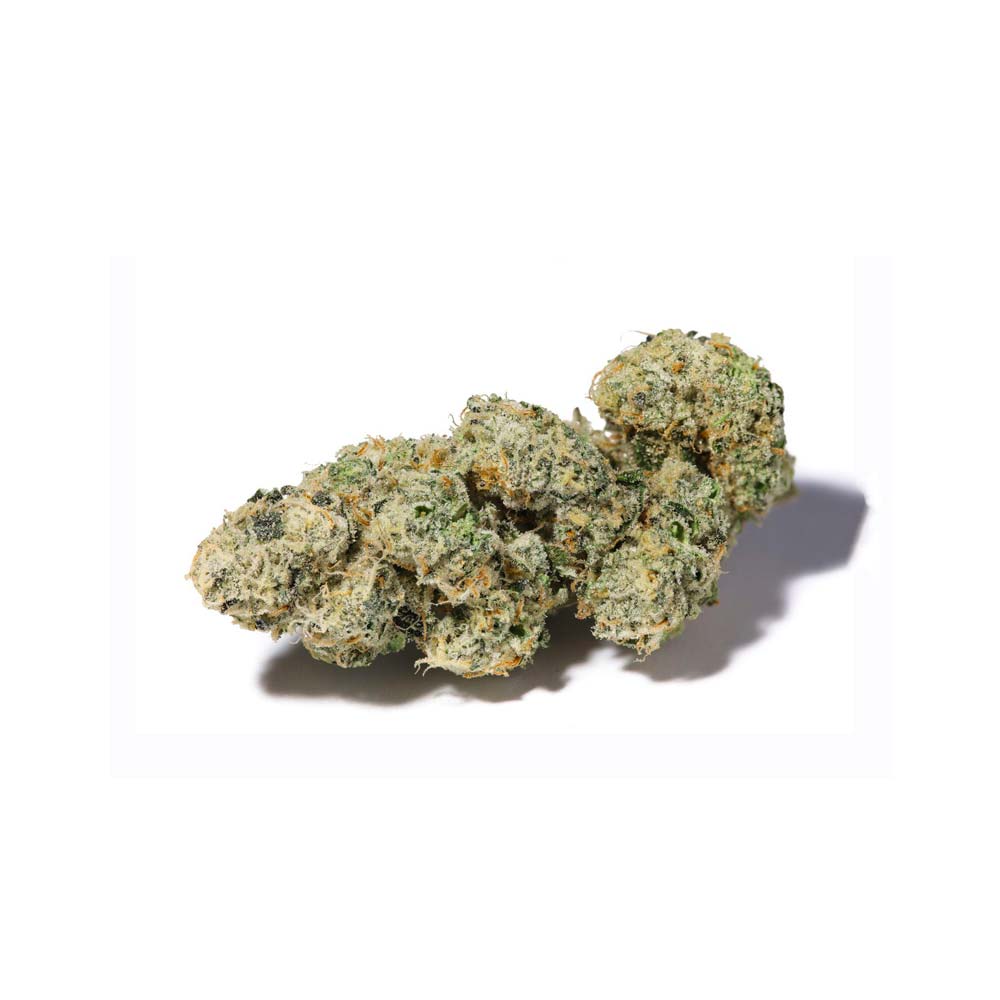
Geraniol Terpene in Cannabis: Neuroprotective Benefits UK
Geraniol in Cannabis: A Comprehensive Guide for UK Medical Patients
Geraniol is a naturally occurring terpene with significant therapeutic potential that is increasingly recognised in medical cannabis UK treatment protocols. This guide examines the science behind geraniol, its sources, and its applications for patients prescribed cannabis for medical conditions.
What is Geraniol and Where is it Found?
Geraniol is a monoterpene alcohol, a type of volatile organic compound that contributes to the aroma and flavour profile of cannabis and numerous other plants. As an acyclic monoterpene, it possesses a distinctive floral, rose-like scent that makes it easily identifiable in aromatic plant profiles.
Beyond cannabis, geraniol appears abundantly in nature across multiple plant species. Rose oil contains significant concentrations of geraniol, often comprising 10-15% of the essential oil’s composition. The plant genus Pelargonium (commonly known as geraniums) is itself named after this terpene due to its predominance in these flowers. Other notable natural sources include:
Lemon and citrus fruits
Tobacco leaves
Lavender
Jasmine
Basil and other culinary herbs
The widespread presence of geraniol across plant species suggests its evolutionary importance in plant defence mechanisms and may indicate its diverse biological activities in human physiology.
Geraniol demonstrates multiple mechanisms of action that are relevant to medical cannabis patients. Research into this terpene’s properties has identified four primary therapeutic pathways:
Neuroprotective Properties
Scientific evidence indicates that geraniol acts as a neuroprotectant through several mechanisms. Studies have demonstrated that geraniol can reduce neuroinflammation by inhibiting pro-inflammatory cytokine production in microglial cells. This is particularly relevant for patients with neurodegenerative conditions or chronic neuropathic pain, where neuroinflammation contributes to disease progression and symptom severity. The neuroprotective effects appear mediated through antioxidant pathways and may involve modulation of glutamatergic signalling.
Antioxidant and Anti-inflammatory Activity
Geraniol functions as a potent free radical scavenger, neutralising reactive oxygen species that accumulate during oxidative stress. This antioxidant capacity is complemented by direct anti-inflammatory effects, as geraniol downregulates nuclear factor-kappa B (NF-?B) signalling pathways. For medical patients experiencing chronic inflammation—whether from autoimmune conditions, cancer-related inflammation, or chronic pain syndromes—these properties offer mechanistic support for symptom management and disease modification.
Antifungal Properties
In vitro and in vivo studies have documented geraniol’s effectiveness against various fungal pathogens, including Candida species and dermatophytes. This antifungal activity occurs through disruption of fungal cell membrane integrity, making geraniol relevant for patients managing treatment-resistant fungal infections or those whose immunocompromised status increases infection risk.
Insect Repellent Activity
Whilst less directly relevant to medical applications, geraniol’s insect-repellent properties reflect its broader biological activity as a ligand for insect olfactory receptors. This fundamental interaction with biological signalling systems underscores the complexity of terpene pharmacology.
High-Geraniol Cannabis Strains for Medical Use
When selecting cannabis strains with specific terpene profiles, UK medical patients should be aware that geraniol concentrations vary considerably. The following strains have been identified as containing elevated geraniol levels:
This sativa-dominant hybrid consistently demonstrates geraniol concentrations alongside limonene and myrcene. The combination produces a cerebral, uplifting effect whilst delivering the neuroprotective and anti-inflammatory benefits of geraniol.
Great White Shark
A potent strain combining geraniol with high THC content and complementary terpenes. Medical patients often report enhanced pain relief and reduced neuroinflammatory symptoms.
Afghani
This landrace indica strain produces substantial geraniol concentrations with a sedative profile, making it suitable for patients requiring evening medication or managing pain-related sleep disturbance.
OG Shark
A hybrid combining geraniol with myrcene and caryophyllene, offering balanced effects suitable for daytime or evening use depending on individual patient response.
Strawberry Diesel
This strain delivers geraniol alongside limonene and caryophyllene, producing an aromatic profile matching its name whilst providing therapeutic benefits.
Clinical Applications for UK Medical Cannabis Patients
Medical patients prescribed cannabis in the UK increasingly benefit from understanding terpene profiles and selecting strains strategically. Geraniol’s properties address several common conditions for which medical cannabis is prescribed:
Neuropathic Pain Management
Patients with neuropathic pain benefit from geraniol’s neuroprotective effects, which reduce both pain signalling and the underlying neuroinflammatory processes perpetuating chronic pain states. The combination of geraniol with cannabinoids like CBD and THC provides synergistic pain relief.
Inflammatory Conditions
For patients with rheumatoid arthritis, inflammatory bowel disease, and other chronic inflammatory conditions, geraniol-rich strains provide anti-inflammatory effects through multiple mechanisms, complementing the anti-inflammatory properties of cannabinoids.
Oxidative Stress-Related Conditions
Conditions involving oxidative stress—including cancer treatment side effects, multiple sclerosis, and Parkinson’s disease—benefit from geraniol’s antioxidant capacity, which helps protect cells from oxidative damage.
Practical Guidance for UK Medical Patients
Patients accessing medical cannabis UK through the private prescription system should discuss terpene profiles with their prescribing clinician. Whilst terpene-specific prescribing remains an emerging field, clinicians increasingly recognise the importance of strain selection based on individual patient needs.
Geraniol concentration varies between batches, cultivation methods, and storage conditions. Dried cannabis flower generally preserves terpene content better than other preparation methods, though properly stored oils and extracts maintain therapeutic terpene concentrations.
Patients should expect to work collaboratively with their medical team to identify which geraniol-containing strains produce optimal therapeutic responses whilst maintaining acceptable tolerability profiles.
Conclusion
Geraniol represents a significant component of cannabis pharmacology deserving of increased clinical attention. For UK medical cannabis patients, understanding terpene profiles enables more targeted, personalised treatment approaches. By selecting strains with elevated geraniol concentrations, patients may optimise neuroprotective, anti-inflammatory, and antioxidant benefits alongside the effects of primary cannabinoids.
Medical Disclaimer: The information on this page is for educational purposes only and does not constitute medical advice. Always consult a licensed healthcare professional before starting any new treatment.
https://cannazen.co.uk/wp-content/uploads/2026/01/cosmic-mac-cannabis-doctor-prescription-pharmacy-shop-blute.jpg10001000CannaZen UK Editorial Teamhttps://cannazen.co.uk/wp-content/uploads/2026/01/cannazen-shop-lieferung-cannabis-weed-hemp-online.svgCannaZen UK Editorial Team2026-05-15 10:38:112026-05-23 10:41:25Geraniol Terpene in Cannabis: Neuroprotective Benefits UK
We may request cookies to be set on your device. We use cookies to let us know when you visit our websites, how you interact with us, to enrich your user experience, and to customize your relationship with our website.
Click on the different category headings to find out more. You can also change some of your preferences. Note that blocking some types of cookies may impact your experience on our websites and the services we are able to offer.
Essential Website Cookies
These cookies are strictly necessary to provide you with services available through our website and to use some of its features.
Because these cookies are strictly necessary to deliver the website, refusing them will have impact how our site functions. You always can block or delete cookies by changing your browser settings and force blocking all cookies on this website. But this will always prompt you to accept/refuse cookies when revisiting our site.
We fully respect if you want to refuse cookies but to avoid asking you again and again kindly allow us to store a cookie for that. You are free to opt out any time or opt in for other cookies to get a better experience. If you refuse cookies we will remove all set cookies in our domain.
We provide you with a list of stored cookies on your computer in our domain so you can check what we stored. Due to security reasons we are not able to show or modify cookies from other domains. You can check these in your browser security settings.
Google Analytics Cookies
These cookies collect information that is used either in aggregate form to help us understand how our website is being used or how effective our marketing campaigns are, or to help us customize our website and application for you in order to enhance your experience.
If you do not want that we track your visit to our site you can disable tracking in your browser here:
Other external services
We also use different external services like Google Webfonts, Google Maps, and external Video providers. Since these providers may collect personal data like your IP address we allow you to block them here. Please be aware that this might heavily reduce the functionality and appearance of our site. Changes will take effect once you reload the page.
Google Webfont Settings:
Google Map Settings:
Google reCaptcha Settings:
Vimeo and Youtube video embeds:
Other cookies
The following cookies are also needed - You can choose if you want to allow them:
Privacy Policy
You can read about our cookies and privacy settings in detail on our Privacy Policy Page.