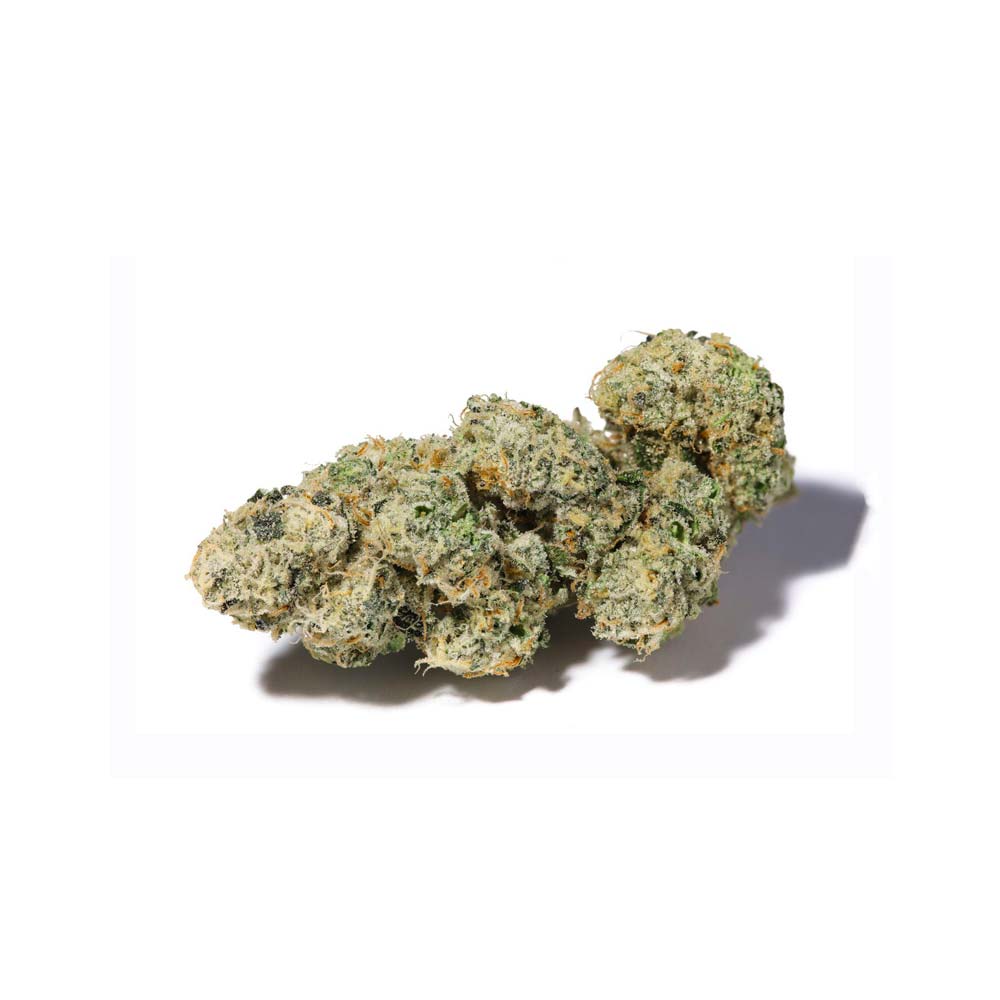
UK vs EU Cannabis Laws: What’s Different After Brexit?
UK vs EU Cannabis Laws: What’s Different After Brexit?
Since the UK’s departure from the European Union, British cannabis laws have diverged significantly from those across the Channel. Understanding these differences is crucial for UK residents, patients, and those interested in the evolving legal landscape of cannabis regulation. Whether you’re seeking medical cannabis or simply curious about legal reforms, knowing how UK regulations compare to EU countries can provide valuable context for policy discussions and personal decision-making.
The UK’s Current Legal Framework
In the United Kingdom, cannabis remains a Schedule II controlled substance under the Misuse of Drugs Act 1971. This classification means that cannabis is illegal for recreational use, and possession can result in serious criminal penalties. However, there has been significant progress in medical cannabis access since 2018, when the Home Office allowed doctors to prescribe cannabis-based medicinal products for patients with specific conditions.
The Medical and Healthcare products Regulatory Agency (MHRA) oversees medicinal cannabis in the UK. Licensed products like Epidyolex and Sativex are available through prescription, though access remains limited and expensive. Many patients turn to best UK cannabis clinics for specialist consultations, where private doctors can recommend cannabis treatments within the legal framework. The cost of medical cannabis UK ranges from £400 to £2,000+ per month privately, as NHS coverage is extremely limited.
Post-Brexit, the UK has maintained its strict approach while the EU has moved in varying directions, creating a notable regulatory gap between British law and many continental jurisdictions.
EU Cannabis Regulations Post-Brexit
The European Union’s approach to cannabis has become increasingly liberal and fragmented since Brexit. Rather than enforcing uniform EU-wide laws, individual member states now set their own cannabis policies. This has created a patchwork of regulations across Europe, ranging from decriminalisation to full legalisation for medical and recreational purposes.
Countries like the Netherlands have long tolerated cannabis use through their famous “coffee shop” system, where establishments can legally sell up to 5 grams to adults. Germany recently legalised recreational cannabis, allowing adults to possess up to 25 grams. Portugal decriminalised all drugs, treating cannabis possession as a public health issue rather than a criminal matter. Spain permits cannabis clubs where members can grow and share cannabis. France, while maintaining stricter laws, has moved toward greater acceptance of medical cannabis.
The EU has also harmonised medical cannabis regulations more effectively in recent years, with many countries offering NHS-equivalent access to prescribed cannabis products at significantly lower costs than the UK.
Comparison Table: UK vs EU Cannabis Laws
Aspect
United Kingdom
European Union (Varies by Country)
Recreational Use
Illegal; possession results in arrest and prosecution
Legal or decriminalised in most countries; varies significantly
Medical Cannabis Access
Very restricted; prescription required; limited NHS coverage
Increasingly accessible; many countries offer subsidised medical cannabis
Cost of Medical Cannabis
£400-£2,000+ monthly (private); rarely covered by NHS
€50-€400 monthly in many EU countries; often government subsidised
Home Growing
Illegal for all purposes
Legal in some countries (Spain, Germany); illegal in others
Penalties for Possession
Up to 5 years imprisonment for simple possession
Fines or warnings in decriminalised countries; varies widely
Legal Products Available
Only licensed medicinal products (Sativex, Epidyolex)
Medical and recreational products widely available in liberal countries
Clinical Research
Limited due to Schedule II classification
More extensive; several countries funding cannabis research programmes
Key Differences Explained
The most significant difference between UK and EU cannabis laws lies in their fundamental philosophy. The UK maintains a prohibition-based approach for recreational cannabis, viewing it primarily as a controlled substance. Meanwhile, many EU nations have shifted toward harm reduction and regulation, treating cannabis more as a public health matter than purely a criminal justice issue.
This philosophical divide impacts everything from pricing to availability. A UK patient might pay £1,500 monthly for private medical cannabis, while a similar patient in Germany or the Netherlands could access equivalent treatment for £100-£200, sometimes with government support. This cost disparity has led some UK patients to travel to EU countries for treatment, raising ethical and legal questions.
The UK’s post-Brexit independence has allowed it to maintain stricter controls without EU influence, but it has also prevented British patients from accessing the increasingly liberal medical cannabis frameworks developing across Europe. Regulatory divergence means British patients cannot easily obtain EU-licensed products, and British companies cannot export cannabis products to EU markets without separate licensing.
Why Brexit Changed Everything
Before Brexit, both the UK and EU operated under similar pharmaceutical frameworks, though cannabis remained illegal recreationally in most places. Post-Brexit, the UK lost access to EU supply chains and regulatory harmonisation while EU countries continued evolving their independent policies. The UK now cannot participate in EU medical product approvals, meaning cannabis medications approved in Europe must undergo separate MHRA review—a process that’s slow and expensive.
This regulatory separation has made the UK increasingly isolated in cannabis policy. While countries across Europe embrace medical legalisation, the UK remains comparatively restrictive, creating a knowledge and access gap for British patients seeking evidence-based treatment.
For UK residents seeking legal medical cannabis, remaining within the British system means working with registered specialists through private clinics or pursuing MHRA-licensed products. This path is more expensive but legally straightforward. Consulting best UK cannabis clinics can help you navigate available options and understand your eligibility.
For those frustrated with UK restrictions, some travel to EU countries where cannabis access is more liberal. However, bringing products back to the UK remains illegal, regardless of the source country’s laws. Understanding medical cannabis UK regulations is essential before pursuing any alternative routes.
For policy advocates, the comparison highlights how Brexit has locked the UK into a more restrictive path than many European neighbours. As EU countries gather evidence supporting medical cannabis efficacy, UK regulators move more cautiously, potentially delaying beneficial treatments for British patients.
The divergence between UK and EU cannabis laws represents a broader post-Brexit regulatory choice, with significant implications for patients, researchers, and future policy development in Britain.
Medical Disclaimer: The information on this page is for educational purposes only and does not constitute medical advice. Always consult a licensed healthcare professional before starting any new treatment.
https://cannazen.co.uk/wp-content/uploads/2026/01/cosmic-mac-cannabis-doctor-prescription-pharmacy-shop-blute.jpg10001000CannaZen UK Editorial Teamhttps://cannazen.co.uk/wp-content/uploads/2026/01/cannazen-shop-lieferung-cannabis-weed-hemp-online.svgCannaZen UK Editorial Team2026-05-15 10:37:592026-05-23 10:50:48UK vs EU Cannabis Laws: What’s Different After Brexit?
We may request cookies to be set on your device. We use cookies to let us know when you visit our websites, how you interact with us, to enrich your user experience, and to customize your relationship with our website.
Click on the different category headings to find out more. You can also change some of your preferences. Note that blocking some types of cookies may impact your experience on our websites and the services we are able to offer.
Essential Website Cookies
These cookies are strictly necessary to provide you with services available through our website and to use some of its features.
Because these cookies are strictly necessary to deliver the website, refusing them will have impact how our site functions. You always can block or delete cookies by changing your browser settings and force blocking all cookies on this website. But this will always prompt you to accept/refuse cookies when revisiting our site.
We fully respect if you want to refuse cookies but to avoid asking you again and again kindly allow us to store a cookie for that. You are free to opt out any time or opt in for other cookies to get a better experience. If you refuse cookies we will remove all set cookies in our domain.
We provide you with a list of stored cookies on your computer in our domain so you can check what we stored. Due to security reasons we are not able to show or modify cookies from other domains. You can check these in your browser security settings.
Google Analytics Cookies
These cookies collect information that is used either in aggregate form to help us understand how our website is being used or how effective our marketing campaigns are, or to help us customize our website and application for you in order to enhance your experience.
If you do not want that we track your visit to our site you can disable tracking in your browser here:
Other external services
We also use different external services like Google Webfonts, Google Maps, and external Video providers. Since these providers may collect personal data like your IP address we allow you to block them here. Please be aware that this might heavily reduce the functionality and appearance of our site. Changes will take effect once you reload the page.
Google Webfont Settings:
Google Map Settings:
Google reCaptcha Settings:
Vimeo and Youtube video embeds:
Other cookies
The following cookies are also needed - You can choose if you want to allow them:
Privacy Policy
You can read about our cookies and privacy settings in detail on our Privacy Policy Page.