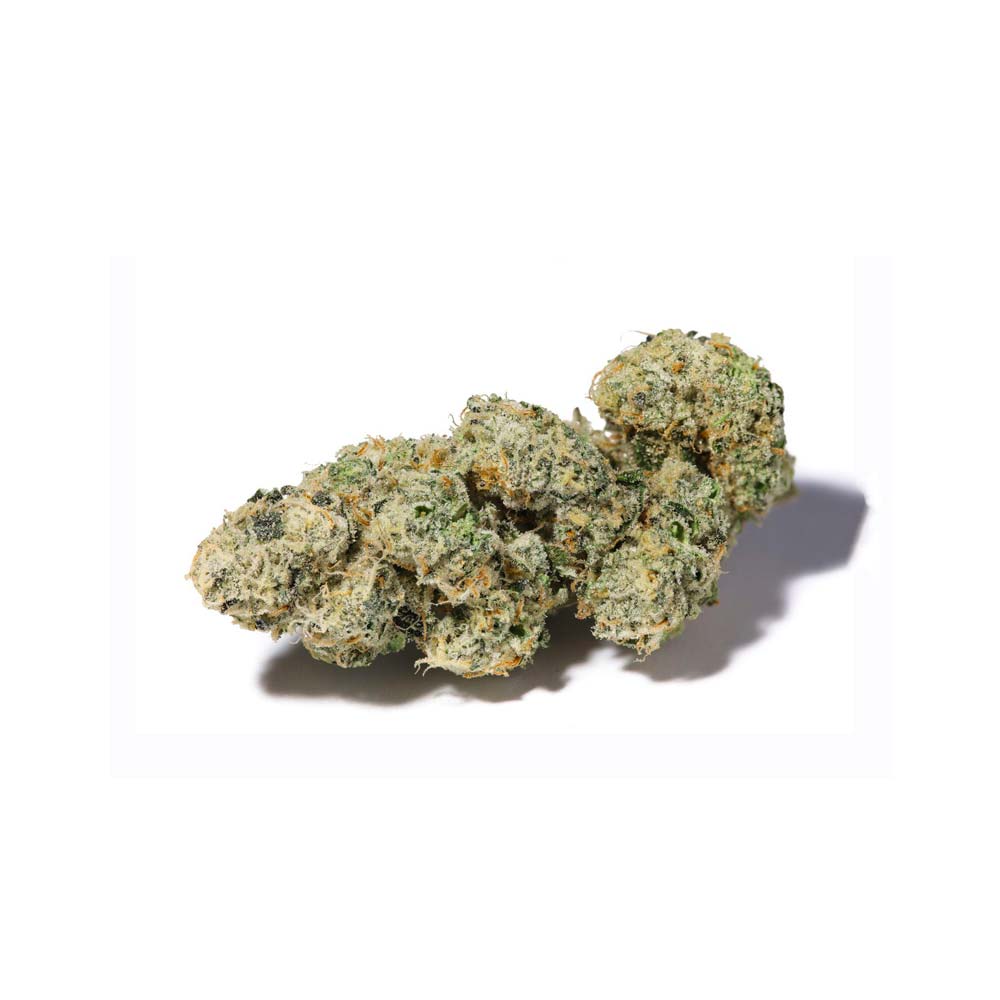
Delta-8 THC UK: Legal Status, Effects and Safety Guide
Delta-8 THC UK: Legal Status, Effects and Safety Guide
What is Delta-8 THC?
Delta-8 tetrahydrocannabinol (Delta-8 THC) is a naturally occurring cannabinoid found in cannabis plants, though typically in small concentrations. It is a structural isomer of Delta-9 THC, the primary psychoactive compound in cannabis, meaning both molecules contain the same atoms arranged slightly differently. This subtle difference in molecular structure has significant implications for how the compound interacts with the body’s endocannabinoid system.
Delta-8 THC can be extracted directly from cannabis plant material, though commercially it is often produced through the conversion of CBD or Delta-9 THC in laboratory settings. The compound exists naturally alongside other cannabinoids in cannabis sativa plants, where it may make up a fraction of 1% of the plant’s cannabinoid content. Interest in Delta-8 THC has grown in recent years, particularly in jurisdictions where Delta-9 THC remains restricted, as researchers and consumers explore its potential therapeutic applications and milder psychoactive profile.
Delta-8 THC produces psychoactive effects that many users report as less intense than those associated with Delta-9 THC. Users commonly describe a clearer mental state, reduced anxiety, and milder intoxication. Anecdotal reports suggest Delta-8 may help with relaxation, pain management, nausea reduction, and appetite stimulation, though comprehensive clinical evidence remains limited in comparison to other cannabinoids.
Research into Delta-8 THC is still in its early stages within the scientific community. A 2021 study published in Cannabis and Cannabinoid Research reported that consumers perceived Delta-8 as producing less pronounced side effects than Delta-9 THC, including reduced anxiety and cognitive impairment. However, controlled clinical trials in humans remain sparse, and much of the current evidence base relies on in vitro studies, animal models, and consumer surveys rather than large-scale randomised controlled trials.
The compound shows preliminary promise in preclinical research for potential antiemetic (anti-nausea) properties, appetite stimulation, and pain relief. Some laboratory studies have examined Delta-8’s interaction with CB1 and CB2 receptors in the endocannabinoid system, suggesting potential therapeutic mechanisms. Nevertheless, UK medical professionals and regulatory bodies note that more robust clinical evidence is required before Delta-8 can be routinely recommended as a treatment for specific conditions. Anyone considering Delta-8 should discuss this with their healthcare provider, particularly if they are taking other medications or have existing health conditions.
How UK Medical Cannabis Patients Access or Use Delta-8
Delta-8 THC presents a complex situation for UK patients interested in medical cannabis UK treatment. Currently, Delta-8 products are not available through NHS prescription pathways, nor are they offered by private medical best UK cannabis clinics that operate within UK legal frameworks. Patients seeking to use Delta-8 must navigate its ambiguous legal status, which differs significantly from established medical cannabis products.
Some UK consumers have attempted to obtain Delta-8 products through online retailers, though the legal implications of purchasing and possessing such products remain unclear. Medical cannabis patients under NHS care or private clinicians receive prescriptions for standardised, laboratory-tested products containing specific ratios of THC and CBD, with comprehensive pharmaceutical oversight and safety protocols in place. Delta-8 products obtained outside of regulated medical pathways lack this quality assurance, standardisation, and professional medical supervision.
For patients already accessing medical cannabis through legitimate channels, their healthcare provider will continue to prescribe and monitor conventional cannabis-derived medications. These maintain clear legal status and regulatory approval. Any patient interested in alternative cannabinoid compounds should raise this conversation with their consultant, who can provide evidence-based guidance on safety, efficacy, and appropriateness for their individual circumstances.
Legal Status in the United Kingdom
The legal status of Delta-8 THC in the UK remains ambiguous and represents a grey area within current cannabis legislation. Understanding where Delta-8 sits within the legal framework is essential for consumers and healthcare professionals alike.
CBD oil UK products containing less than 1mg of THC per container are legally classified as food supplements and can be purchased without prescription. These products are subject to Food Standards Agency regulations and must comply with strict labelling requirements. However, Delta-8 THC is not CBD, and CBD-specific legal exemptions do not automatically extend to Delta-8.
Medical cannabis containing THC remains a Schedule 2 controlled substance under the Misuse of Drugs Regulations 2001. Doctors can prescribe Schedule 2 cannabis-based products for medical purposes, but only when they meet specific criteria and follow strict regulatory pathways established by the UK Medicines and Healthcare Products Regulatory Agency (MHRA). Licensed medical cannabis products such as Sativex and Nabilone are available through this controlled route.
Delta-8 THC, by contrast, falls into a legally ambiguous category. It is not explicitly listed as a permitted food supplement like CBD, nor is it an approved pharmaceutical product with a licence. The Home Office has not provided definitive guidance on whether Delta-8 is considered a controlled drug or a legal substance. This regulatory uncertainty means that possessing or purchasing Delta-8 products could potentially breach the Misuse of Drugs Act 1971, though enforcement remains inconsistent and unclear.
Practical Advice for UK Patients
UK patients interested in cannabis-based treatments should prioritise working within established legal and medical frameworks. If you believe you might benefit from medical cannabis, consult your GP or specialist doctor about accessing products through legitimate NHS or private clinic channels. Your medical team can provide evidence-based recommendations tailored to your specific condition and medical history.
If you are currently using Delta-8 products or considering doing so, be aware of the legal ambiguity surrounding this compound in the UK. Obtaining products from unregulated sources means you have no guarantee regarding the product’s contents, purity, potency, or safety. Contamination with harmful substances or mislabelling of cannabinoid content is a genuine risk with unregulated products.
Should you wish to explore cannabinoid-based treatments legally, CBD oil UK products meeting the regulatory criteria offer a legal option, though evidence for therapeutic benefit varies depending on the condition. For conditions where medical evidence supports cannabis-based treatment, work with your healthcare provider to access appropriately regulated medications.
Stay informed about regulatory changes, as the legal status of emerging cannabinoids in the UK may evolve. Subscribe to updates from regulatory bodies such as the MHRA and Home Office, and discuss any interest in cannabinoid treatments with your healthcare provider to ensure safe, legal, and effective management of your health.
Medical Disclaimer: The information on this page is for educational purposes only and does not constitute medical advice. Always consult a licensed healthcare professional before starting any new treatment.
We may request cookies to be set on your device. We use cookies to let us know when you visit our websites, how you interact with us, to enrich your user experience, and to customize your relationship with our website.
Click on the different category headings to find out more. You can also change some of your preferences. Note that blocking some types of cookies may impact your experience on our websites and the services we are able to offer.
Essential Website Cookies
These cookies are strictly necessary to provide you with services available through our website and to use some of its features.
Because these cookies are strictly necessary to deliver the website, refusing them will have impact how our site functions. You always can block or delete cookies by changing your browser settings and force blocking all cookies on this website. But this will always prompt you to accept/refuse cookies when revisiting our site.
We fully respect if you want to refuse cookies but to avoid asking you again and again kindly allow us to store a cookie for that. You are free to opt out any time or opt in for other cookies to get a better experience. If you refuse cookies we will remove all set cookies in our domain.
We provide you with a list of stored cookies on your computer in our domain so you can check what we stored. Due to security reasons we are not able to show or modify cookies from other domains. You can check these in your browser security settings.
Google Analytics Cookies
These cookies collect information that is used either in aggregate form to help us understand how our website is being used or how effective our marketing campaigns are, or to help us customize our website and application for you in order to enhance your experience.
If you do not want that we track your visit to our site you can disable tracking in your browser here:
Other external services
We also use different external services like Google Webfonts, Google Maps, and external Video providers. Since these providers may collect personal data like your IP address we allow you to block them here. Please be aware that this might heavily reduce the functionality and appearance of our site. Changes will take effect once you reload the page.
Google Webfont Settings:
Google Map Settings:
Google reCaptcha Settings:
Vimeo and Youtube video embeds:
Other cookies
The following cookies are also needed - You can choose if you want to allow them:
Privacy Policy
You can read about our cookies and privacy settings in detail on our Privacy Policy Page.