THCV: The Appetite Suppressant Cannabinoid – UK Guide
THCV: The Appetite Suppressant Cannabinoid – UK Guide
What is THCV?
THCV, or tetrahydrocannabivarin, is a naturally occurring cannabinoid found in cannabis plants. Like other cannabinoids such as THC and CBD, THCV is a compound that interacts with the body’s endocannabinoid system. Structurally, THCV is similar to THC but differs in its molecular arrangement—it has a shorter side chain with three carbon atoms rather than five, which gives it distinct pharmacological properties and effects.
THCV is present in varying concentrations across different cannabis strains, typically found in higher levels in certain sativa-dominant varieties originating from Africa and Southeast Asia. The cannabinoid is produced by the cannabis plant through a natural biosynthetic pathway, where the plant synthesises precursor compounds that eventually form THCV. Understanding where this compound comes from helps patients appreciate why specific medical cannabis strains are selected for particular therapeutic purposes.
THCV is increasingly recognised for its potential appetite-suppressing properties, which distinguishes it from THC, which typically stimulates appetite. Research suggests that THCV may work differently at the cannabinoid receptors in the body, potentially offering benefits for patients managing weight or metabolic conditions. Early studies indicate that THCV could help regulate blood glucose levels, making it of particular interest for those with diabetes or metabolic syndrome.
Beyond appetite suppression, emerging research suggests THCV may have anti-inflammatory properties, neuroprotective potential, and could support anxiety management in some individuals. Some studies indicate THCV might promote bone health and could be beneficial for patients with osteoporosis. However, it is important to note that much of the current research is in early stages, often conducted in laboratory or animal models rather than large-scale human clinical trials.
The effects of THCV are also dose-dependent. At lower doses, it may produce stimulating effects, whilst higher doses appear to produce more pronounced psychoactive effects, though these are generally considered milder than THC. Current research is ongoing through various institutions exploring THCV’s potential for diabetes management, weight regulation, and neurological conditions. Patients should discuss current evidence with their healthcare provider, as research in this area continues to evolve.
How UK Medical Cannabis Patients Access or Use THCV
Within the UK’s medical cannabis UK framework, THCV-rich products are typically accessed through prescription via specialist best UK cannabis clinics. Patients must first obtain a referral from their GP to a private best UK cannabis clinics or NHS specialist, depending on their condition and local availability. The specialist will assess whether a THCV-containing medical cannabis product is appropriate for the patient’s condition.
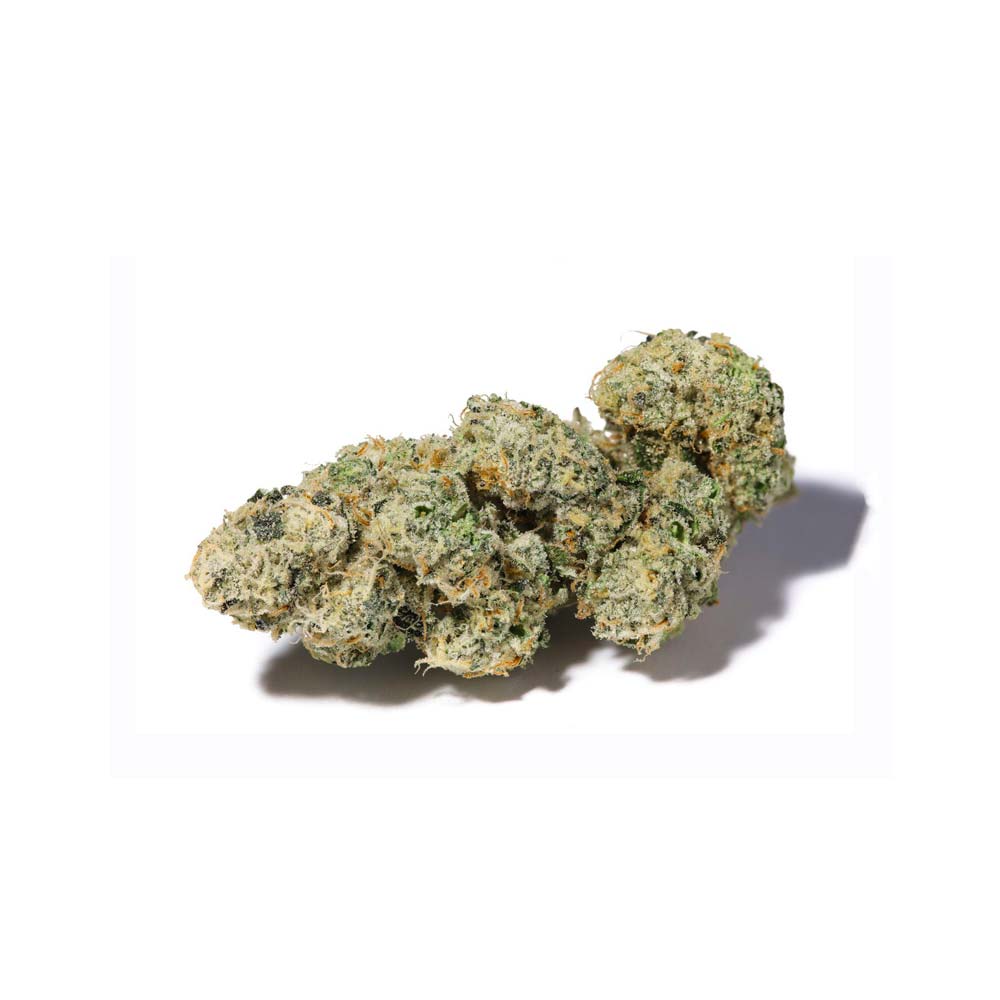
Medical cannabis products containing significant THCV levels are usually available as flower (cannabis buds for vaporisation), oils, or extracts. Vaporisation is the most common method of administration, as it allows patients to inhale the cannabinoid-rich vapour without combustion. Some patients may use oils or tinctures sublingually, allowing absorption through the mouth’s mucous membranes. The choice of administration method depends on individual preference, the patient’s medical condition, and the specific product prescribed.
Patients should note that THCV-dominant or THCV-rich strains are less commonly available than balanced or CBD-dominant products on the UK market. Availability may vary between clinics and suppliers. Some clinics may be able to source specific strains with higher THCV content, whilst others may work with a limited product range. It is worth discussing strain-specific requests with your prescribing clinician at your consultation.
Legal Status in the UK
The legal status of THCV in the UK depends on the product form and THC content. CBD oil UK products and other CBD-dominant cannabis products that contain less than 1mg of THC per container are legal to purchase without prescription and are available to the general public. However, this typically means such products contain minimal THCV, as most CBD-focused extracts are not designed to preserve THCV in significant quantities.
Medical cannabis products containing meaningful levels of THCV alongside THC are classified as Schedule 2 controlled drugs under UK law. This means they are only available via prescription from a registered medical professional. Since November 2018, specialist doctors have been able to prescribe medical cannabis UK products for eligible patients, provided the prescription is issued by an appropriate healthcare practitioner.
To legally access THCV-containing medical cannabis in the UK, patients must obtain a prescription from a registered doctor at a licensed clinic. Private best UK cannabis clinics, cannabis-prescribing NHS specialists, and some private hospitals can issue these prescriptions. The product must be supplied by a licensed pharmacy, and the prescription must detail the specific product, dosage, and administration method. Possession without a valid prescription remains illegal under the Misuse of Drugs Act.
Practical Advice for UK Patients
If you are interested in THCV-containing medical cannabis, start by speaking with your GP about a referral to a specialist best UK cannabis clinics. Prepare to discuss your medical history, current medications, and the specific symptoms you hope to address. Bring any previous medical records that might be relevant to your condition.
When consulting with a best UK cannabis clinics doctor, ask specifically about THCV-containing strains and products. Not all clinics will have access to every product, so understanding what is available in your region is important. Discuss whether THCV is appropriate for your condition based on current evidence, and ask your clinician to explain the expected timeline for noticing effects.
Keep detailed records of your response to any prescribed THCV products, noting effects, symptom changes, and any side effects. This information will be valuable at follow-up appointments and helps your clinician optimise your treatment. Start with the lowest effective dose and adjust gradually under medical supervision.
Be aware of potential side effects, which may include dizziness, dry mouth, or temporary mood changes. Avoid driving or operating machinery until you understand how THCV affects you personally. If you are taking other medications, discuss potential interactions with your prescribing doctor and pharmacist.
Finally, remember that the cannabis medicines field is rapidly evolving. Stay informed about current research and remain in contact with your healthcare provider about your treatment progress. Your clinic should offer regular follow-up appointments to monitor your response to treatment and make any necessary adjustments.
Medical Disclaimer: The information on this page is for educational purposes only and does not constitute medical advice. Always consult a licensed healthcare professional before starting any new treatment.
https://cannazen.co.uk/wp-content/uploads/2026/01/cosmic-mac-cannabis-doctor-prescription-pharmacy-shop-blute.jpg10001000CannaZen UK Editorial Teamhttps://cannazen.co.uk/wp-content/uploads/2026/01/cannazen-shop-lieferung-cannabis-weed-hemp-online.svgCannaZen UK Editorial Team2026-05-15 10:36:052026-05-23 10:41:24THCV: The Appetite Suppressant Cannabinoid – UK Guide
We may request cookies to be set on your device. We use cookies to let us know when you visit our websites, how you interact with us, to enrich your user experience, and to customize your relationship with our website.
Click on the different category headings to find out more. You can also change some of your preferences. Note that blocking some types of cookies may impact your experience on our websites and the services we are able to offer.
Essential Website Cookies
These cookies are strictly necessary to provide you with services available through our website and to use some of its features.
Because these cookies are strictly necessary to deliver the website, refusing them will have impact how our site functions. You always can block or delete cookies by changing your browser settings and force blocking all cookies on this website. But this will always prompt you to accept/refuse cookies when revisiting our site.
We fully respect if you want to refuse cookies but to avoid asking you again and again kindly allow us to store a cookie for that. You are free to opt out any time or opt in for other cookies to get a better experience. If you refuse cookies we will remove all set cookies in our domain.
We provide you with a list of stored cookies on your computer in our domain so you can check what we stored. Due to security reasons we are not able to show or modify cookies from other domains. You can check these in your browser security settings.
Google Analytics Cookies
These cookies collect information that is used either in aggregate form to help us understand how our website is being used or how effective our marketing campaigns are, or to help us customize our website and application for you in order to enhance your experience.
If you do not want that we track your visit to our site you can disable tracking in your browser here:
Other external services
We also use different external services like Google Webfonts, Google Maps, and external Video providers. Since these providers may collect personal data like your IP address we allow you to block them here. Please be aware that this might heavily reduce the functionality and appearance of our site. Changes will take effect once you reload the page.
Google Webfont Settings:
Google Map Settings:
Google reCaptcha Settings:
Vimeo and Youtube video embeds:
Other cookies
The following cookies are also needed - You can choose if you want to allow them:
Privacy Policy
You can read about our cookies and privacy settings in detail on our Privacy Policy Page.