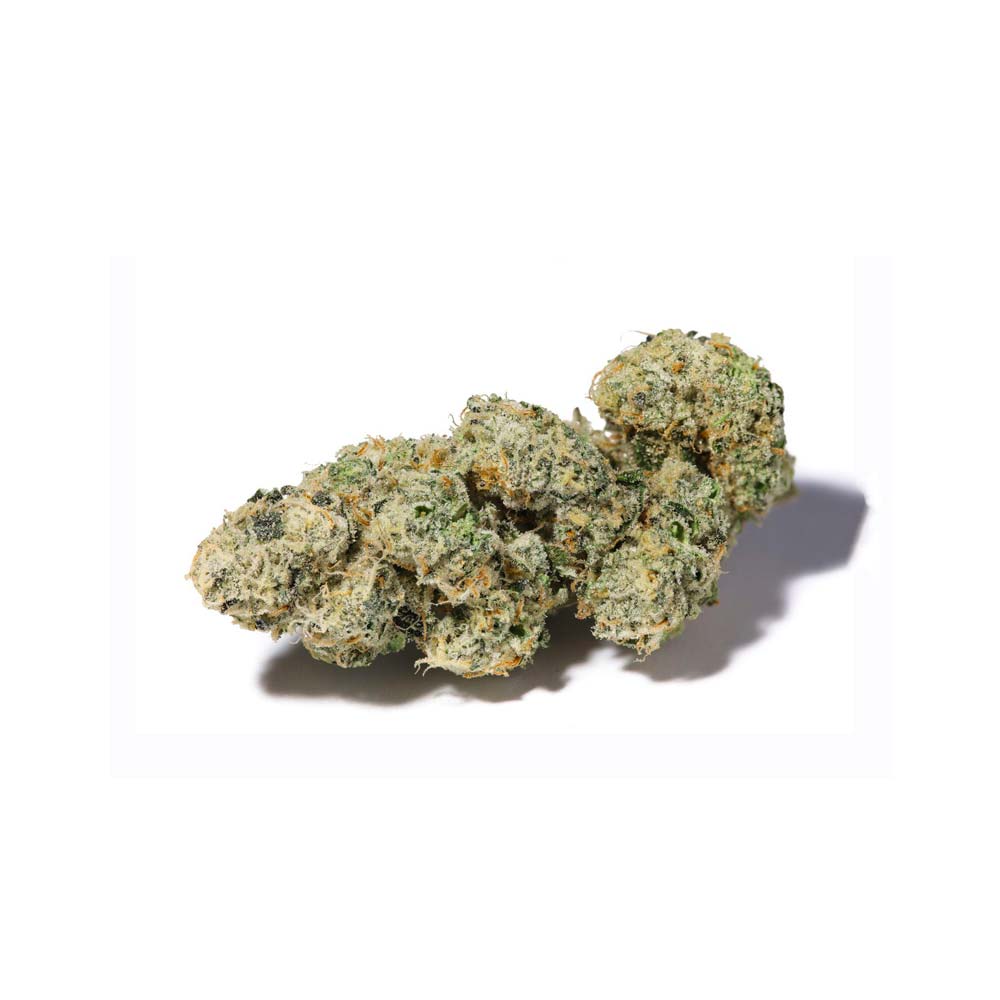
Cannabis and CBD for Eczema in the UK: A Comprehensive Guide
Eczema, medically known as atopic dermatitis, affects millions of people in the United Kingdom, causing significant discomfort, itching, and emotional distress. As conventional treatments sometimes fall short of providing adequate relief, many patients are turning their attention to cannabis-derived compounds, particularly CBD (cannabidiol), as a potential therapeutic option. The growing body of research into CBD’s effects on skin conditions has opened new avenues for eczema management, though understanding the science and legal landscape is essential for UK patients considering this approach.
Understanding the Skin Barrier and Eczema
The skin barrier is a complex structure composed of lipids, proteins, and water that protects the body from environmental pathogens and prevents excessive moisture loss. In individuals with eczema, this barrier function is compromised, leading to increased transepidermal water loss and heightened susceptibility to irritants and allergens. This dysfunction triggers inflammatory cascades that manifest as itching, redness, dryness, and cracking.
The defective skin barrier in eczema involves impaired ceramide production and alterations in tight junction proteins. These structural abnormalities create an environment where irritants can penetrate more easily, perpetuating the inflammatory cycle. Traditional treatments focus on restoring barrier function through emollients and reducing inflammation with topical corticosteroids or calcineurin inhibitors, but many patients seek additional options with fewer side effects.
Cannabidiol interacts with the body’s endocannabinoid system, which plays a regulatory role in immune function and inflammatory responses. The endocannabinoid system has receptors throughout the skin, including in keratinocytes, immune cells, and sensory neurons. CBD primarily works by modulating these receptors and influencing various signalling pathways involved in inflammation and immune regulation.
Research demonstrates that CBD possesses anti-inflammatory properties that may benefit inflammatory skin conditions. Studies have shown that CBD can suppress the production of pro-inflammatory cytokines, including TNF-alpha and IL-6, which are typically elevated in eczema-affected skin. Additionally, CBD exhibits antimicrobial properties, which is particularly relevant since eczema patients often experience secondary bacterial infections due to compromised skin barriers.
The compound also appears to influence sebaceous gland function and lipid production, potentially supporting barrier repair. By promoting the synthesis of ceramides and other essential lipids, CBD may help restore the skin’s natural protective mechanisms and reduce the severity of barrier dysfunction inherent to eczema.
Scientific Evidence for CBD Topicals
While research into CBD for eczema is still emerging, several studies provide promising preliminary evidence. In vitro research has demonstrated that cannabinoids can reduce inflammatory markers associated with skin conditions. However, clinical trials specifically examining CBD for atopic dermatitis in humans remain limited.
A 2019 review in Cannabis and Cannabinoid Research highlighted CBD’s potential for various dermatological conditions due to its anti-inflammatory and immunomodulatory effects. Studies on cannabinoid receptors in the skin suggest that topical application of CBD could theoretically help regulate immune responses and reduce the inflammatory cascade characteristic of eczema.
Importantly, the barrier penetration of topically applied CBD varies depending on formulation. CBD has relatively low bioavailability when applied topically, meaning the amount reaching viable skin layers depends significantly on the delivery system used. Products utilising nano-emulsification, liposomes, or other advanced delivery mechanisms may enhance penetration and efficacy compared to basic oil formulations.
CBD Topical Products Available in the UK
The UK market for CBD skincare has expanded considerably, with numerous products specifically formulated for sensitive and problematic skin. These range from CBD creams and balms to salves and serums. Major retailers and specialist CBD companies now offer products with varying CBD concentrations, typically ranging from 50mg to 500mg per product.
Popular UK brands include those offering dedicated eczema-focused CBD topicals, often combining CBD with other beneficial ingredients like shea butter, coconut oil, and natural emollients to support barrier repair. Some products incorporate additional anti-inflammatory botanicals such as chamomile or calendula, creating synergistic formulations.
It is crucial to select products from reputable manufacturers who provide third-party testing documentation. This verification ensures accurate CBD content and confirms the absence of contaminants, pesticides, and heavy metals. Products should display batch numbers and accompanying Certificates of Analysis.
Regulatory Considerations in the UK
Under UK law, CBD topical products are legal and available without prescription, provided they contain less than 0.2% THC. However, they are not currently classified as medicines, meaning manufacturers cannot make explicit medical claims about treating eczema specifically. This distinction is important for consumers to understand when evaluating products.
Integration with Conventional Treatment
CBD topicals should complement, not replace, established eczema treatments. The combination of CBD-infused products with prescribed emollients, topical corticosteroids when necessary, and good skincare practices creates a comprehensive approach. Patients considering CBD should discuss integration with their dermatologist or GP to ensure compatibility with existing treatments and monitor for any interactions.
Conclusion
While CBD shows considerable promise for eczema management through its anti-inflammatory properties and potential barrier-supporting effects, patients should approach it as part of an integrated treatment strategy. Quality UK products from verified manufacturers, combined with medical supervision, offer a potentially valuable additional tool in managing this challenging condition.
Medical Disclaimer: The information on this page is for educational purposes only and does not constitute medical advice. Always consult a licensed healthcare professional before starting any new treatment.
https://cannazen.co.uk/wp-content/uploads/2026/01/cosmic-mac-cannabis-doctor-prescription-pharmacy-shop-blute.jpg10001000CannaZen UK Editorial Teamhttps://cannazen.co.uk/wp-content/uploads/2026/01/cannazen-shop-lieferung-cannabis-weed-hemp-online.svgCannaZen UK Editorial Team2026-05-15 10:35:112026-05-23 10:53:39Cannabis for Eczema UK
We may request cookies to be set on your device. We use cookies to let us know when you visit our websites, how you interact with us, to enrich your user experience, and to customize your relationship with our website.
Click on the different category headings to find out more. You can also change some of your preferences. Note that blocking some types of cookies may impact your experience on our websites and the services we are able to offer.
Essential Website Cookies
These cookies are strictly necessary to provide you with services available through our website and to use some of its features.
Because these cookies are strictly necessary to deliver the website, refusing them will have impact how our site functions. You always can block or delete cookies by changing your browser settings and force blocking all cookies on this website. But this will always prompt you to accept/refuse cookies when revisiting our site.
We fully respect if you want to refuse cookies but to avoid asking you again and again kindly allow us to store a cookie for that. You are free to opt out any time or opt in for other cookies to get a better experience. If you refuse cookies we will remove all set cookies in our domain.
We provide you with a list of stored cookies on your computer in our domain so you can check what we stored. Due to security reasons we are not able to show or modify cookies from other domains. You can check these in your browser security settings.
Google Analytics Cookies
These cookies collect information that is used either in aggregate form to help us understand how our website is being used or how effective our marketing campaigns are, or to help us customize our website and application for you in order to enhance your experience.
If you do not want that we track your visit to our site you can disable tracking in your browser here:
Other external services
We also use different external services like Google Webfonts, Google Maps, and external Video providers. Since these providers may collect personal data like your IP address we allow you to block them here. Please be aware that this might heavily reduce the functionality and appearance of our site. Changes will take effect once you reload the page.
Google Webfont Settings:
Google Map Settings:
Google reCaptcha Settings:
Vimeo and Youtube video embeds:
Other cookies
The following cookies are also needed - You can choose if you want to allow them:
Privacy Policy
You can read about our cookies and privacy settings in detail on our Privacy Policy Page.