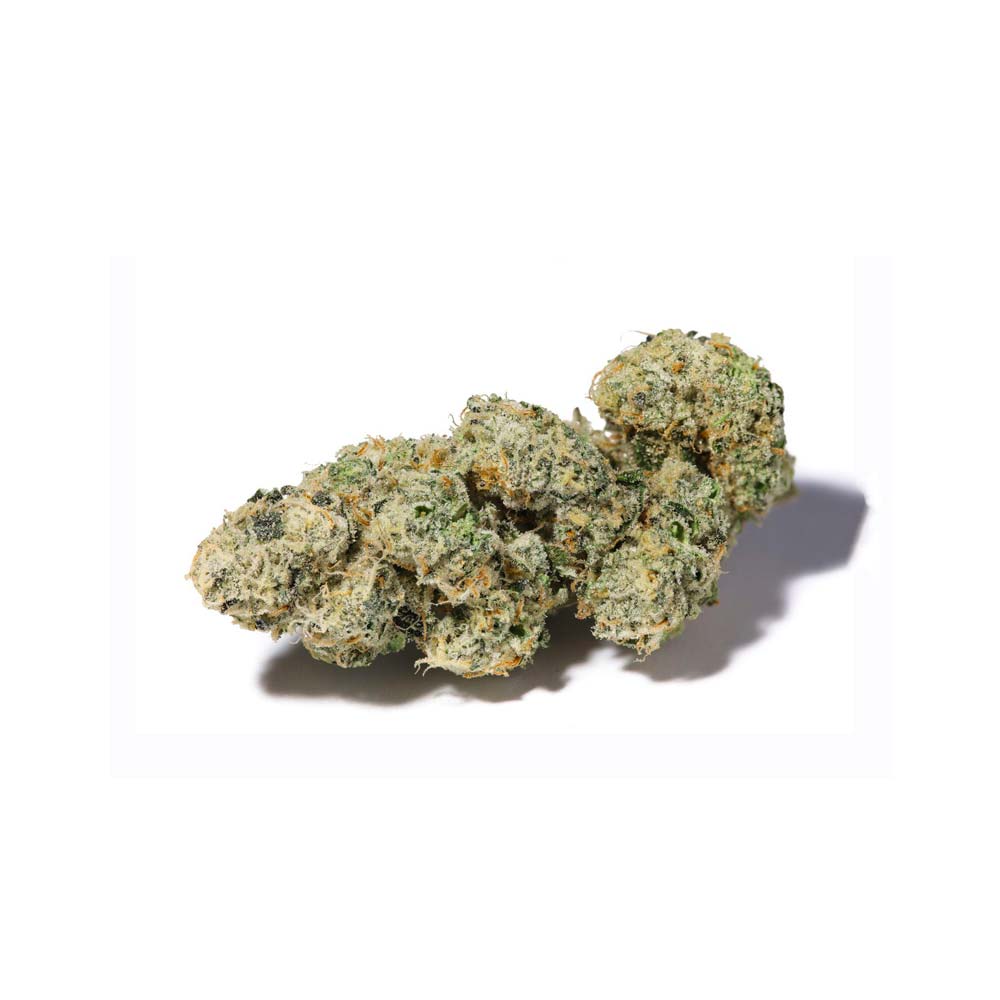
The Entourage Effect UK: Why Whole-Plant Cannabis Works Better
Understanding the Entourage Effect
The entourage effect represents a fascinating theory in cannabis pharmacology, first formally described by Raphael Mechoulam and Shimon Ben-Shabat in 1998. Rather than cannabis compounds acting in isolation, this theory proposes that cannabinoids, terpenes, and other plant molecules work synergistically to produce therapeutic effects greater than any single compound could achieve alone. This foundational concept has shaped how UK patients and healthcare providers now understand cannabis-based medicines and how they interact with the human body’s endocannabinoid system.
Synergistic Interactions Between Cannabinoids and Terpenes
Cannabis contains over 100 cannabinoids alongside more than 200 terpenes—aromatic compounds responsible for the plant’s distinctive scents. The entourage effect theory suggests these components interact through multiple biological pathways. Cannabinoids like THC and CBD may modulate each other’s effects, whilst terpenes can enhance cannabinoid absorption, alter receptor binding, and produce their own therapeutic contributions. For instance, certain terpenes may increase the permeability of the blood-brain barrier, allowing cannabinoids to reach neural tissue more effectively. This complex interplay creates a biochemical ensemble where the whole becomes significantly more than the sum of its parts.
Scientific Evidence Supporting the Entourage Effect
Several studies provide compelling support for entourage effect mechanisms. Research has demonstrated that full-spectrum cannabis extracts produce superior anti-inflammatory and pain-relieving effects compared to isolated CBD or THC alone. A notable 2018 study found that whole plant extracts required substantially lower doses to achieve equivalent therapeutic outcomes to isolated cannabinoids. Many UK patients report improved symptom management with full-spectrum products, suggesting real-world clinical benefits. Additionally, the anticonvulsant properties of whole-plant extracts appear enhanced in ways not fully explained by individual cannabinoid profiles, supporting synergistic interactions.
Scrutiny and Alternative Perspectives
Whilst compelling, the entourage effect remains contested within the scientific community. Critics argue that rigorous, controlled human trials demonstrating clear synergistic advantages remain limited. Some improvements attributed to entourage effects may reflect better extract bioavailability, placebo responses, or differences in dosing rather than true pharmacological synergy. Furthermore, the quality and composition of full-spectrum products vary considerably, making consistent results difficult to achieve or replicate. Sceptical researchers contend that isolates offer distinct advantages: precise dosing, predictable effects, and elimination of unwanted compounds—benefits that may outweigh potential synergistic advantages for certain patient populations.
Product Selection: Full-Spectrum Versus Isolates
For UK patients accessing medicinal cannabis, understanding these differences is crucial. Full-spectrum products contain the entire plant profile, presumed to offer entourage benefits but with variable consistency. Broad-spectrum products remove THC whilst retaining other cannabinoids and terpenes, providing a middle ground. Isolates contain singular compounds, typically CBD, offering maximum control and predictability. The optimal choice depends on individual circumstances: patients with complex symptoms may benefit from full-spectrum approaches, whilst those requiring precise dosing or with specific contraindications might prefer isolates. Discussion with healthcare providers helps determine the most appropriate option.
Terpene Contributions to Therapeutic Effects
Individual terpenes demonstrate remarkable pharmacological profiles. Myrcene, the most abundant terpene, exhibits anti-inflammatory and analgesic properties whilst potentially enhancing other cannabinoids’ penetration. Limonene provides anxiolytic and mood-enhancing effects alongside its own antimicrobial capabilities. Caryophyllene uniquely interacts directly with CB2 receptors, contributing to inflammation reduction and pain management. When combined with cannabinoids, these terpenes don’t merely add their individual effects; they appear to modify how cannabinoids interact with biological systems, supporting the entourage concept.
Whole-Plant Extracts for Complex Conditions
Whole-plant extracts may prove particularly valuable for chronic, multifaceted conditions. Patients with cancer-related pain, severe epilepsy, or complex PTSD often report superior outcomes with full-spectrum products compared to single-compound treatments. This likely reflects how multiple symptoms—pain, inflammation, anxiety, sleep disruption—respond differently to various plant components. A whole-plant approach simultaneously addresses multiple pathways, potentially offering more comprehensive symptom management. For UK patients with NHS-approved cannabis medicines or private prescriptions, discussing entourage effect considerations with specialists can inform more personalised, effective treatment strategies.
Medical Disclaimer: The information on this page is for educational purposes only and does not constitute medical advice. Always consult a licensed healthcare professional before starting any new treatment.
We may request cookies to be set on your device. We use cookies to let us know when you visit our websites, how you interact with us, to enrich your user experience, and to customize your relationship with our website.
Click on the different category headings to find out more. You can also change some of your preferences. Note that blocking some types of cookies may impact your experience on our websites and the services we are able to offer.
Essential Website Cookies
These cookies are strictly necessary to provide you with services available through our website and to use some of its features.
Because these cookies are strictly necessary to deliver the website, refusing them will have impact how our site functions. You always can block or delete cookies by changing your browser settings and force blocking all cookies on this website. But this will always prompt you to accept/refuse cookies when revisiting our site.
We fully respect if you want to refuse cookies but to avoid asking you again and again kindly allow us to store a cookie for that. You are free to opt out any time or opt in for other cookies to get a better experience. If you refuse cookies we will remove all set cookies in our domain.
We provide you with a list of stored cookies on your computer in our domain so you can check what we stored. Due to security reasons we are not able to show or modify cookies from other domains. You can check these in your browser security settings.
Google Analytics Cookies
These cookies collect information that is used either in aggregate form to help us understand how our website is being used or how effective our marketing campaigns are, or to help us customize our website and application for you in order to enhance your experience.
If you do not want that we track your visit to our site you can disable tracking in your browser here:
Other external services
We also use different external services like Google Webfonts, Google Maps, and external Video providers. Since these providers may collect personal data like your IP address we allow you to block them here. Please be aware that this might heavily reduce the functionality and appearance of our site. Changes will take effect once you reload the page.
Google Webfont Settings:
Google Map Settings:
Google reCaptcha Settings:
Vimeo and Youtube video embeds:
Other cookies
The following cookies are also needed - You can choose if you want to allow them:
Privacy Policy
You can read about our cookies and privacy settings in detail on our Privacy Policy Page.