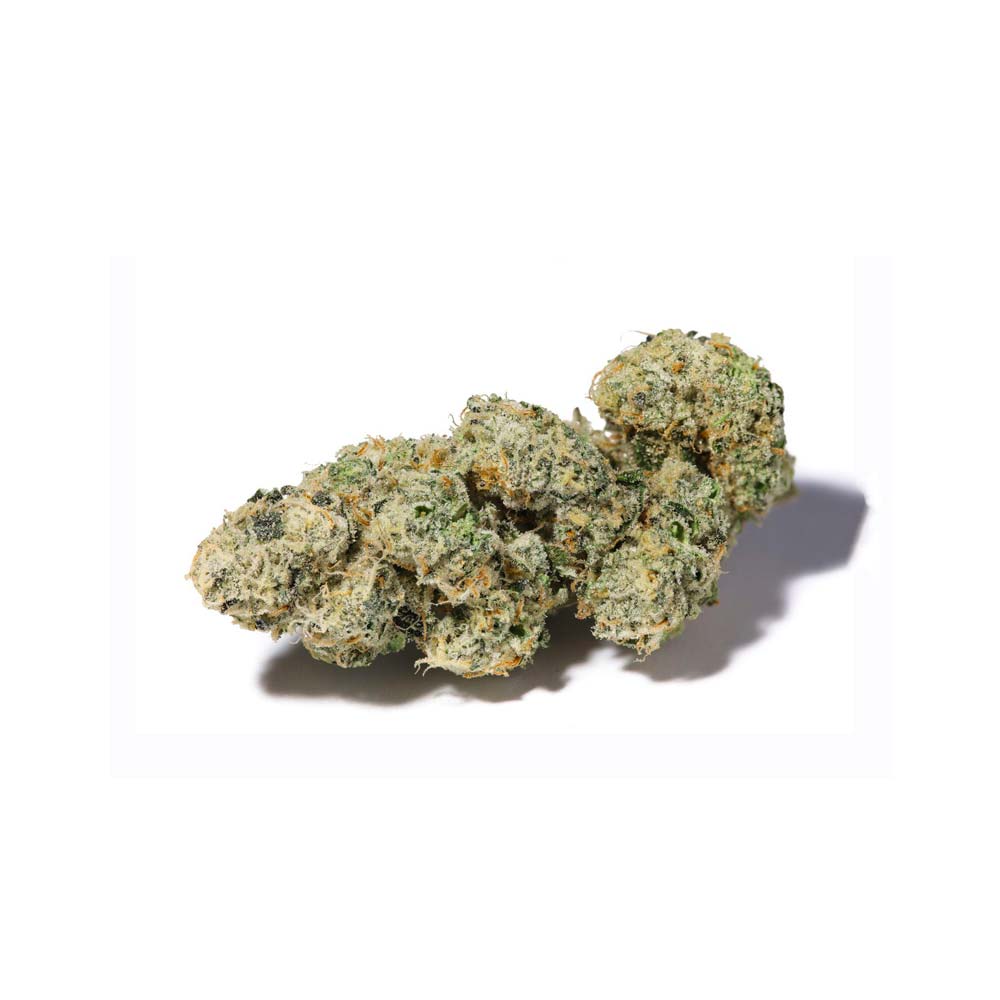
CBD Isolate vs Full Spectrum: The Science Behind the Difference
Understanding Full Spectrum CBD
Full spectrum CBD products contain the complete plant extract from the cannabis sativa plant, which includes CBD alongside numerous other compounds. These products contain all cannabinoids present in the plant, including trace amounts of THC (typically below 0.2% in UK-legal products), CBG, CBC, CBN, and CBDA. Alongside these cannabinoids, full spectrum extracts retain terpenes—volatile organic compounds responsible for the plant’s distinctive aromas and flavours, such as myrcene, limonene, and pinene. Additionally, these extracts contain flavonoids, which are poLyphenolic compounds with antioxidant and anti-inflammatory properties. This complex matrix of compounds works synergistically, creating what researchers term the “entourage effect.”
What Is CBD Isolate
CBD isolate represents the opposite end of the spectrum: a purified form of cannabidiol that contains 99% pure CBD with all other plant compounds removed. The extraction and purification process isolates CBD molecules from the plant material through chromatography and crystallisation techniques, resulting in a white crystalline powder with no taste, smell, or colour. This pure form offers precision dosing and consistency, making it easier for consumers to calculate exact cannabinoid intake. Isolate is also more shelf-stable and versatile, easily incorporated into various product formats including capsules, edibles, and beverages.
One of the most significant differences between isolate and full spectrum lies in their dose-response curves. CBD isolate demonstrates a classic bell-shaped dose-response curve, meaning efficacy increases up to an optimal dose threshold, then decreases at higher doses. This phenomenon, known as a biphasic response, suggests that exceeding the optimal dose may actually diminish effectiveness or produce unwanted effects. In contrast, full spectrum products tend to display a more linear dose-response relationship, where efficacy continues to improve as dosage increases, without the same plateau or reversal effect. This difference has profound implications for clinical effectiveness and personal usage patterns.
The Hadassah Hospital 2015 Study
A landmark study conducted at Hadassah Hospital in Jerusalem in 2015 provided critical evidence supporting the advantages of full spectrum over isolate. Researchers administered either CBD isolate or full spectrum extract to patients and measured therapeutic outcomes. The results demonstrated that full spectrum CBD was significantly more effective than isolate across multiple measures. Notably, full spectrum products provided superior pain relief and anti-inflammatory benefits at lower doses compared to CBD isolate. The study’s findings suggested that the additional cannabinoids and terpenes in full spectrum products enhanced CBD’s therapeutic potential, validating the concept of the entourage effect through rigorous scientific methodology.
The Entourage Effect Explained
The entourage effect describes how cannabinoids, terpenes, and flavonoids work together to produce enhanced therapeutic effects beyond what any single compound could achieve alone. Mechanistically, this occurs through several pathways. Different cannabinoids interact with distinct endocannabinoid receptors and other molecular targets; for instance, CBG has been shown to have a higher affinity for CB1 receptors than CBD itself. Terpenes modulate neurotransmitter activity and may enhance cannabinoid absorption across the blood-brain barrier. Additionally, flavonoids possess their own anti-inflammatory and neuroprotective properties that complement cannabinoid effects. Together, these compounds create a more robust and comprehensive therapeutic response than isolated CBD alone.
Condition-Specific Recommendations
Full spectrum products tend to be superior for managing chronic pain, inflammation, anxiety, and sleep disturbances due to their superior efficacy at lower doses and more continuous dose-response curve. These conditions benefit from the synergistic effects of multiple compounds. Conversely, CBD isolate may be preferable for individuals requiring precise dose titration, those with sensitivities to other cannabinoids, or those in early stages of CBD exploration. Isolate also works well for targeted applications where pure CBD’s specific mechanisms are desired.
Drug Testing Considerations
Although full spectrum products contain only trace THC below legal limits, some isolate consumers choose this form due to concerns about drug testing in employment contexts. Whilst full spectrum THC levels are insufficient to cause intoxication or impairment, sensitive drug tests may occasionally detect traces, potentially raising concerns despite legality.
Practical Recommendations for UK Consumers
UK consumers should begin with full spectrum products for optimal therapeutic benefit, selecting from reputable suppliers providing third-party testing certificates confirming THC compliance. Start with lower doses and increase gradually. If specific concerns exist regarding drug testing or individual cannabinoid sensitivities, consider CBD isolate alternatives. Always consult healthcare providers before beginning CBD supplementation, particularly if taking existing medications.
Medical Disclaimer: The information on this page is for educational purposes only and does not constitute medical advice. Always consult a licensed healthcare professional before starting any new treatment.
https://cannazen.co.uk/wp-content/uploads/2026/01/cosmic-mac-cannabis-doctor-prescription-pharmacy-shop-blute.jpg10001000CannaZen UK Editorial Teamhttps://cannazen.co.uk/wp-content/uploads/2026/01/cannazen-shop-lieferung-cannabis-weed-hemp-online.svgCannaZen UK Editorial Team2026-05-14 21:46:192026-05-23 10:52:03CBD Isolate vs Full Spectrum: The Science Behind the Difference
We may request cookies to be set on your device. We use cookies to let us know when you visit our websites, how you interact with us, to enrich your user experience, and to customize your relationship with our website.
Click on the different category headings to find out more. You can also change some of your preferences. Note that blocking some types of cookies may impact your experience on our websites and the services we are able to offer.
Essential Website Cookies
These cookies are strictly necessary to provide you with services available through our website and to use some of its features.
Because these cookies are strictly necessary to deliver the website, refusing them will have impact how our site functions. You always can block or delete cookies by changing your browser settings and force blocking all cookies on this website. But this will always prompt you to accept/refuse cookies when revisiting our site.
We fully respect if you want to refuse cookies but to avoid asking you again and again kindly allow us to store a cookie for that. You are free to opt out any time or opt in for other cookies to get a better experience. If you refuse cookies we will remove all set cookies in our domain.
We provide you with a list of stored cookies on your computer in our domain so you can check what we stored. Due to security reasons we are not able to show or modify cookies from other domains. You can check these in your browser security settings.
Google Analytics Cookies
These cookies collect information that is used either in aggregate form to help us understand how our website is being used or how effective our marketing campaigns are, or to help us customize our website and application for you in order to enhance your experience.
If you do not want that we track your visit to our site you can disable tracking in your browser here:
Other external services
We also use different external services like Google Webfonts, Google Maps, and external Video providers. Since these providers may collect personal data like your IP address we allow you to block them here. Please be aware that this might heavily reduce the functionality and appearance of our site. Changes will take effect once you reload the page.
Google Webfont Settings:
Google Map Settings:
Google reCaptcha Settings:
Vimeo and Youtube video embeds:
Other cookies
The following cookies are also needed - You can choose if you want to allow them:
Privacy Policy
You can read about our cookies and privacy settings in detail on our Privacy Policy Page.