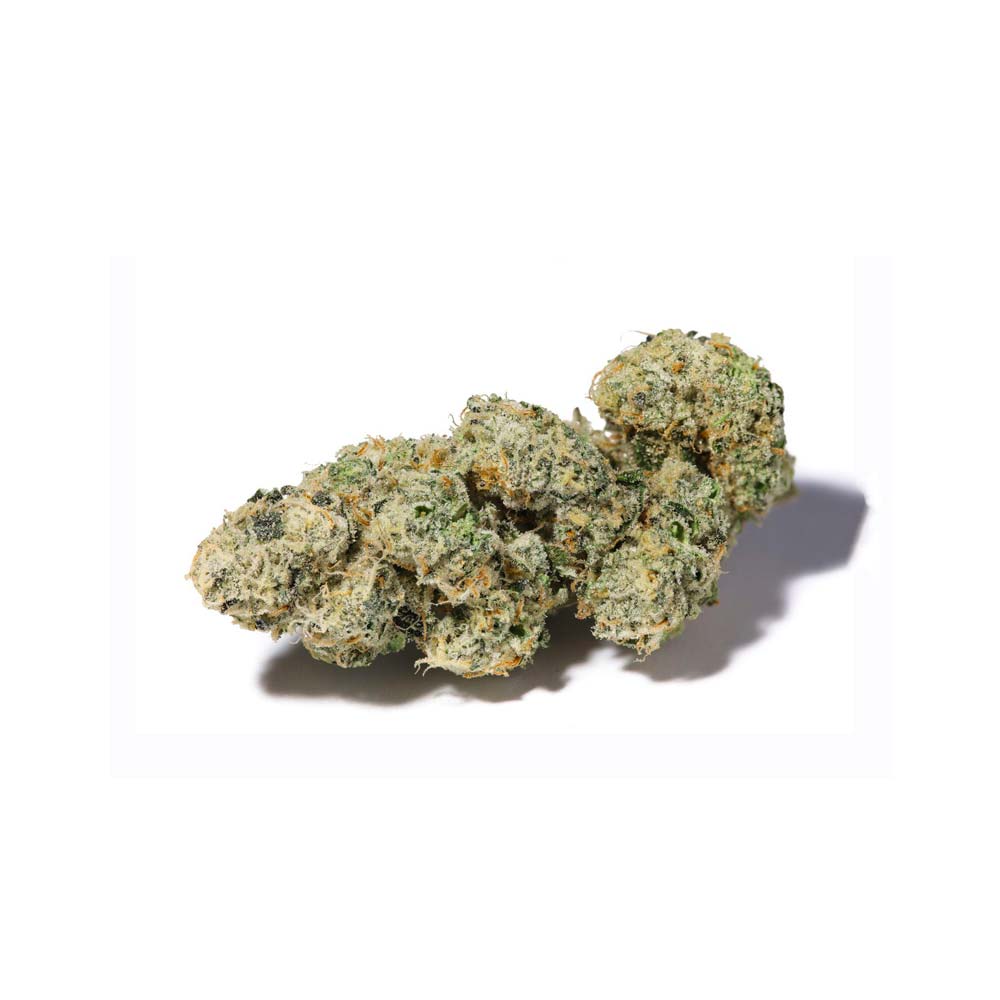
Haze Strains UK: The Best Sativa Varieties for Medical Use
Haze Cannabis Strains for UK Medical Patients: A Comprehensive Guide
Understanding Haze Strain Genetics and Characteristics
Haze strains represent a distinctive category of cannabis cultivars prized by medical patients across the United Kingdom for their unique properties and effects. The defining characteristic of haze genetics traces back to Southeast Asian sativa origins, specifically landrace strains from regions including Thailand, India, and Colombia. These pure sativa genetics create plants with extended flowering periods, tall growth patterns, and distinctive neurological effects that differ markedly from indica or hybrid varieties.
The sensory profile of haze strains is immediately recognizable. Most varieties present complex aromatic compounds featuring prominent citrus notes—lemon, lime, and grapefruit tones blend seamlessly with earthy, peppery, and sometimes floral undertones. These aromatic characteristics arise from unique terpene profiles, particularly limonene, myrcene, and pinene compounds that contribute both to the strain’s fragrance and its therapeutic potential. When consumed, haze strains deliver predominantly cerebral effects rather than physical sedation, creating uplifting, energetic, and mentally stimulating experiences that distinguish them from indica-dominant alternatives.
Main Haze Varieties Available in UK Medical Markets
Several established haze strains have become cornerstones of UK medical cannabis provision, each offering distinct advantages for different patient populations.
Amnesia Haze strain stands as one of the most prevalent haze options within UK medical frameworks. This strain combines Thai, Jamaican, and Afghani genetics, delivering potent cerebral effects with THC levels typically ranging between 15-20%. Amnesia Haze strain produces distinctive citrus-pine aromas and generates sustained mental clarity ideal for daytime symptom management. The strain has achieved particular recognition for addressing cognitive fatigue and depression-related symptoms.
Super Silver Haze represents a legendary cultivar beloved by medical users seeking powerful yet balanced effects. This triple-cross strain combines Skunk genetics with Haze lineage, producing plants with remarkable resin production and robust citrus-floral aromatics. THC content typically reaches 15-18%, while the strain’s extended flowering period (10-12 weeks) contributes to enhanced cannabinoid profiles and therapeutic complexity.
Lemon Haze delivers precisely what its name suggests—dominant lemon aromatics paired with classic haze effects. This strain offers slightly lower THC concentrations (12-16%), making it accessible for patients seeking gentle cerebral stimulation without overwhelming intensity. The pronounced citrus profile contains high limonene concentrations, potentially contributing additional mood-elevation properties.
Neville Haze, created through selective breeding of Haze with Thai genetics, provides a more refined, longer-lasting cerebral experience. This strain demonstrates exceptional flavor complexity and clean, functional effects valuable for patients requiring sustained focus and mental stamina throughout extended work or therapeutic activities.
Blue Dream, while technically a hybrid, incorporates significant haze genetics through its Sativa-dominant genetic makeup. This strain balances sativa effects with mild physical relaxation, offering approximately 17-24% THC content. Blue Dream’s berry aromatics combined with haze characteristics make it suitable for patients seeking hybrid benefits while maintaining daytime functionality.
Medical Applications of Haze Strains
Haze strains address specific medical conditions through their unique cannabinoid and terpene profiles. Depression represents a primary indication, with haze strains’ mood-lifting properties and serotonergic effects providing significant symptomatic relief. Patients report enhanced motivation, improved outlook, and reduced emotional lethargy following haze consumption.
Fatigue management constitutes another crucial application. Unlike sedating indicas, haze strains provide genuine energization and mental stimulation, addressing both mental fog and physical lethargy simultaneously. This makes them particularly valuable for patients managing chronic fatigue syndrome, post-viral conditions, or treatment-related exhaustion.
ADHD symptomatology responds favorably to haze strains’ cerebral properties. The increased focus, attention span, and mental clarity characteristic of sativa effects can effectively support concentration and task completion. Patients often report improved executive function and reduced mind-wandering following consumption.
Appetite stimulation occurs through haze strains’ activation of hunger-related neurological pathways. Patients undergoing chemotherapy, managing eating disorders, or experiencing appetite suppression from other conditions frequently benefit from haze varieties’ orexigenic properties.
Medical practitioners consistently recommend haze strains exclusively for daytime consumption due to their stimulating neurological effects. Unlike sedating indicas suitable for evening use, haze strains promote wakefulness, mental activity, and energy levels antithetical to sleep initiation. Consuming haze strains in evening hours often results in extended wakefulness, racing thoughts, and difficulty achieving restful sleep. The duration of cerebral effects—frequently extending 4-6 hours post-consumption—further necessitates daytime-only protocols for most patients.
Dosing Guidelines for Haze Strains
Effective haze dosing depends on individual patient factors including cannabis experience, body weight, metabolism rate, and specific medical conditions. Initial dosing typically begins conservatively at 2.5-5mg THC equivalent, with gradual titration upward as tolerance develops. Experienced patients may utilize 10-20mg daily doses distributed across morning and midday administrations. Dried flower inhalation produces rapid onset (15-30 minutes) with peak effects at 60-90 minutes, while oral preparations demonstrate delayed onset (1-2 hours) with extended duration suitable for sustained symptom management throughout the day.
Medical Disclaimer: The information on this page is for educational purposes only and does not constitute medical advice. Always consult a licensed healthcare professional before starting any new treatment.
https://cannazen.co.uk/wp-content/uploads/2026/01/cosmic-mac-cannabis-doctor-prescription-pharmacy-shop-blute.jpg10001000CannaZen UK Editorial Teamhttps://cannazen.co.uk/wp-content/uploads/2026/01/cannazen-shop-lieferung-cannabis-weed-hemp-online.svgCannaZen UK Editorial Team2026-05-14 21:42:002026-05-23 10:41:18Haze Strains UK: The Best Sativa Varieties for Medical Use
We may request cookies to be set on your device. We use cookies to let us know when you visit our websites, how you interact with us, to enrich your user experience, and to customize your relationship with our website.
Click on the different category headings to find out more. You can also change some of your preferences. Note that blocking some types of cookies may impact your experience on our websites and the services we are able to offer.
Essential Website Cookies
These cookies are strictly necessary to provide you with services available through our website and to use some of its features.
Because these cookies are strictly necessary to deliver the website, refusing them will have impact how our site functions. You always can block or delete cookies by changing your browser settings and force blocking all cookies on this website. But this will always prompt you to accept/refuse cookies when revisiting our site.
We fully respect if you want to refuse cookies but to avoid asking you again and again kindly allow us to store a cookie for that. You are free to opt out any time or opt in for other cookies to get a better experience. If you refuse cookies we will remove all set cookies in our domain.
We provide you with a list of stored cookies on your computer in our domain so you can check what we stored. Due to security reasons we are not able to show or modify cookies from other domains. You can check these in your browser security settings.
Google Analytics Cookies
These cookies collect information that is used either in aggregate form to help us understand how our website is being used or how effective our marketing campaigns are, or to help us customize our website and application for you in order to enhance your experience.
If you do not want that we track your visit to our site you can disable tracking in your browser here:
Other external services
We also use different external services like Google Webfonts, Google Maps, and external Video providers. Since these providers may collect personal data like your IP address we allow you to block them here. Please be aware that this might heavily reduce the functionality and appearance of our site. Changes will take effect once you reload the page.
Google Webfont Settings:
Google Map Settings:
Google reCaptcha Settings:
Vimeo and Youtube video embeds:
Other cookies
The following cookies are also needed - You can choose if you want to allow them:
Privacy Policy
You can read about our cookies and privacy settings in detail on our Privacy Policy Page.