Cannabis for Neuropathic Pain UK: Evidence and Treatment Guide
Understanding Neuropathic Pain
Neuropathic pain arises from damage to the nerves themselves, rather than from tissue injury. In the UK, four types are particularly prevalent. Diabetic neuropathy affects approximately 16% of people with diabetes, typically causing tingling and burning sensations in the feet and legs. Post-surgical neuropathic pain can develop months or years after procedures, especially following breast cancer surgery, hernia repair, or spinal surgery. Chemotherapy-induced peripheral neuropathy (CIPN) develops in around 30-40% of patients undergoing certain cancer treatments, causing numbness and pain in extremities. Multiple sclerosis-related neuropathic pain occurs in up to 55% of MS patients, often presenting as shooting pains, burning, or painful spasticity.
Why Conventional Medicines Fall Short
First-line treatments for neuropathic pain include gabapentin, pregabalin, amitriptyline, and duloxetine. However, these medications fail to provide adequate relief for 40-50% of patients. The reasons are manifold. Neuropathic pain involves complex neurological mechanisms including central sensitisation, where pain signals become amplified in the spinal cord and brain. Conventional medications often address only one aspect of this multifaceted problem. Additionally, side effects such as dizziness, sedation, weight gain, and cognitive impairment lead many patients to discontinue treatment or reduce doses below therapeutic levels. Some patients develop tolerance over time, requiring escalating doses. For those with multiple comorbidities, drug interactions with conventional neuropathic pain treatments create additional complications.
Cannabis contains over 100 cannabinoids, with THC (tetrahydrocannabinol) and CBD (cannabidiol) being the most researched. The endocannabinoid system plays a crucial role in pain modulation. CB1 receptors, found throughout the central and peripheral nervous systems, are particularly important. When activated, CB1 receptors suppress the release of excitatory neurotransmitters like glutamate in pain pathways, essentially dampening pain signal transmission. This occurs at multiple levels: the spinal cord, brainstem, and higher brain centres involved in pain perception. THC binds directly to CB1 receptors, whilst CBD works through multiple mechanisms including indirect modulation of the endocannabinoid system and anti-inflammatory pathways. The combined effect addresses central sensitisation more comprehensively than single-mechanism conventional drugs. Additionally, cannabis reduces neuroinflammation, a key driver of neuropathic pain progression.
Current Evidence Base in the UK and Beyond
Research into cannabis for neuropathic pain has accelerated since legalisation for medical purposes in the UK in 2018. Multiple systematic reviews and meta-analyses indicate moderate evidence for cannabinoids in neuropathic pain. A 2017 Cochrane review identified 13 randomised controlled trials, concluding that cannabis may be effective for chronic neuropathic pain, though noting the generally low quality of evidence. More recent studies, including those from Canadian and Israeli programmes with extensive patient populations, consistently show 30-50% pain reduction in responders. British studies conducted through the NHS specialist best UK cannabis clinics have confirmed efficacy in treatment-resistant cases. A notable observation is that patients with failed conventional therapy often respond well to cannabis, suggesting a different mechanism of action. The evidence is strongest for THC-predominant formulations, with some benefit demonstrated for balanced THC:CBD ratios.
NHS Versus Private Cannabis Prescribing
In November 2018, cannabis-derived medicinal products became available on the NHS through specialist services, but access remains restricted. NHS prescriptions are typically reserved for specific conditions: intractable epilepsy (the most common indication), chemotherapy-induced nausea and vomiting, and multiple sclerosis spasticity. Neuropathic pain is not formally listed as an NHS indication, though some clinicians prescribe off-licence when other criteria are met. The process involves referral to a specialist NHS best UK cannabis clinics, which can involve lengthy waits. Private prescribing offers faster access and often more flexibility in formulation selection. Private consultations typically cost £150-300 initially, with repeat prescriptions at £75-150. Private clinics specialise in conditions including neuropathic pain and can tailor products more precisely to individual needs.
Optimal Cannabis Products for Neuropathic Pain
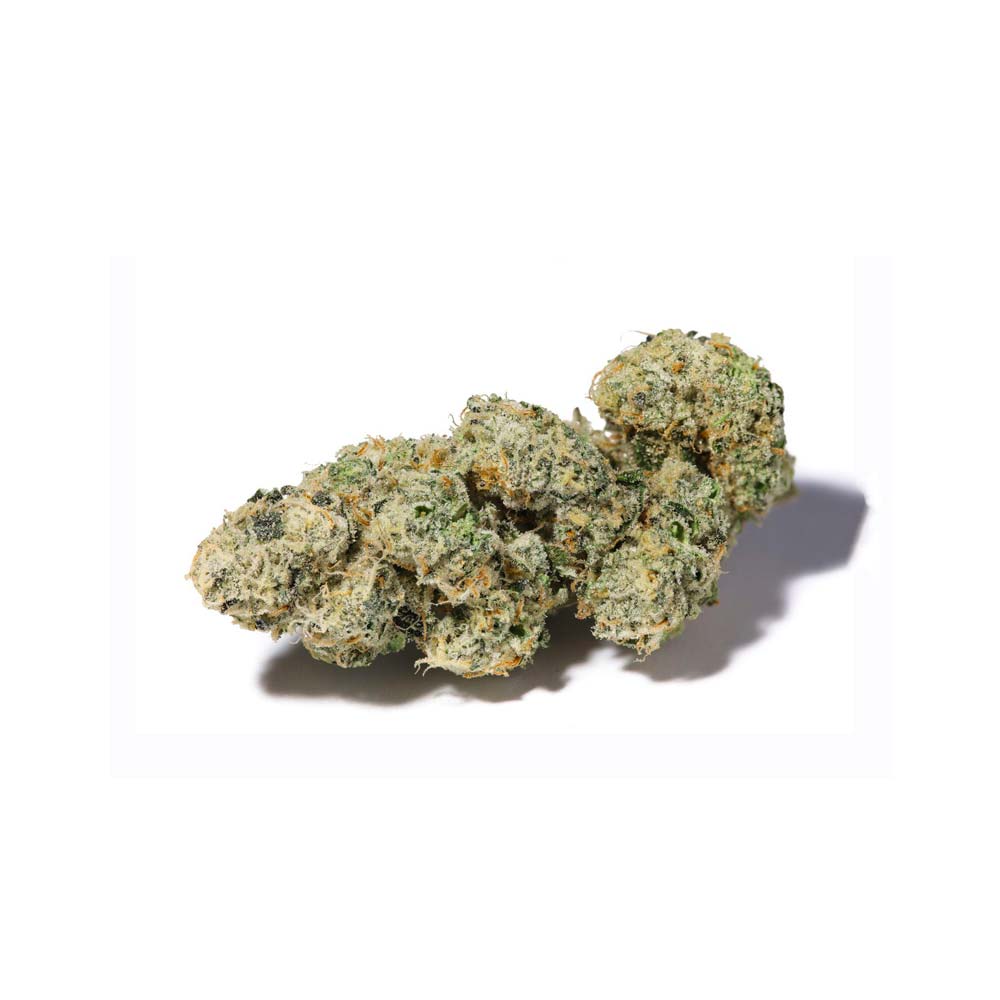
For neuropathic pain, THC-predominant products generally outperform CBD-dominant or balanced formulations, though individual responses vary. Common effective products include cannabis flowers with 18-25% THC content, which allow flexible dosing through vaporisation. Oil tinctures containing 1:1 or 2:1 THC:CBD ratios provide standardised dosing and rapid onset. Full-spectrum products containing multiple cannabinoids and terpenes often demonstrate superior efficacy compared to isolated compounds, likely due to the entourage effect. Products with myrcene and beta-caryophyllene terpenes show additional pain-relieving properties. Slow-release oral capsules benefit patients preferring non-inhalation methods, though onset takes 90-120 minutes. Transdermal patches are becoming available in some private clinics, offering consistent delivery without psychoactive effects.
Typical Dosing Protocols
Neuropathic pain treatment typically follows a “start low, go slow” principle. Initial doses are often 5-10mg THC daily, taken in evening to manage sleep disturbance often accompanying neuropathic pain. Doses increase gradually by 5mg every 3-7 days based on response and tolerability. Most patients find effective doses between 15-30mg THC daily, divided into morning and evening doses. Some require up to 40-50mg daily for adequate relief. CBD supplementation of 10-20mg often enhances THC efficacy. Treatment should continue for 4-6 weeks at stable doses before assessing full effectiveness, as neurological adaptations take time.
Obtaining a Prescription
The pathway depends on whether you pursue NHS or private options. For NHS access, discuss cannabis with your GP, though many lack familiarity with prescribing. Specialist NHS best UK cannabis clinics accept referrals, though criteria remain stringent. Private access is more straightforward: consult a registered private clinic specialising in cannabis medicine. Our resource on best UK cannabis clinics provides detailed guidance on selecting reputable providers with experience in neuropathic pain management. Ensure your chosen clinic has doctors registered with the GMC and appropriate insurance. Many clinics now offer video consultations, making access convenient. Request clinics experienced specifically with neuropathic pain conditions, as specialisation significantly improves outcomes.
Medical Disclaimer: The information on this page is for educational purposes only and does not constitute medical advice. Always consult a licensed healthcare professional before starting any new treatment.
https://cannazen.co.uk/wp-content/uploads/2026/01/cosmic-mac-cannabis-doctor-prescription-pharmacy-shop-blute.jpg10001000CannaZen UK Editorial Teamhttps://cannazen.co.uk/wp-content/uploads/2026/01/cannazen-shop-lieferung-cannabis-weed-hemp-online.svgCannaZen UK Editorial Team2026-05-14 21:24:032026-05-23 10:41:18Cannabis for Neuropathic Pain UK: Evidence and Treatment Guide
We may request cookies to be set on your device. We use cookies to let us know when you visit our websites, how you interact with us, to enrich your user experience, and to customize your relationship with our website.
Click on the different category headings to find out more. You can also change some of your preferences. Note that blocking some types of cookies may impact your experience on our websites and the services we are able to offer.
Essential Website Cookies
These cookies are strictly necessary to provide you with services available through our website and to use some of its features.
Because these cookies are strictly necessary to deliver the website, refusing them will have impact how our site functions. You always can block or delete cookies by changing your browser settings and force blocking all cookies on this website. But this will always prompt you to accept/refuse cookies when revisiting our site.
We fully respect if you want to refuse cookies but to avoid asking you again and again kindly allow us to store a cookie for that. You are free to opt out any time or opt in for other cookies to get a better experience. If you refuse cookies we will remove all set cookies in our domain.
We provide you with a list of stored cookies on your computer in our domain so you can check what we stored. Due to security reasons we are not able to show or modify cookies from other domains. You can check these in your browser security settings.
Google Analytics Cookies
These cookies collect information that is used either in aggregate form to help us understand how our website is being used or how effective our marketing campaigns are, or to help us customize our website and application for you in order to enhance your experience.
If you do not want that we track your visit to our site you can disable tracking in your browser here:
Other external services
We also use different external services like Google Webfonts, Google Maps, and external Video providers. Since these providers may collect personal data like your IP address we allow you to block them here. Please be aware that this might heavily reduce the functionality and appearance of our site. Changes will take effect once you reload the page.
Google Webfont Settings:
Google Map Settings:
Google reCaptcha Settings:
Vimeo and Youtube video embeds:
Other cookies
The following cookies are also needed - You can choose if you want to allow them:
Privacy Policy
You can read about our cookies and privacy settings in detail on our Privacy Policy Page.