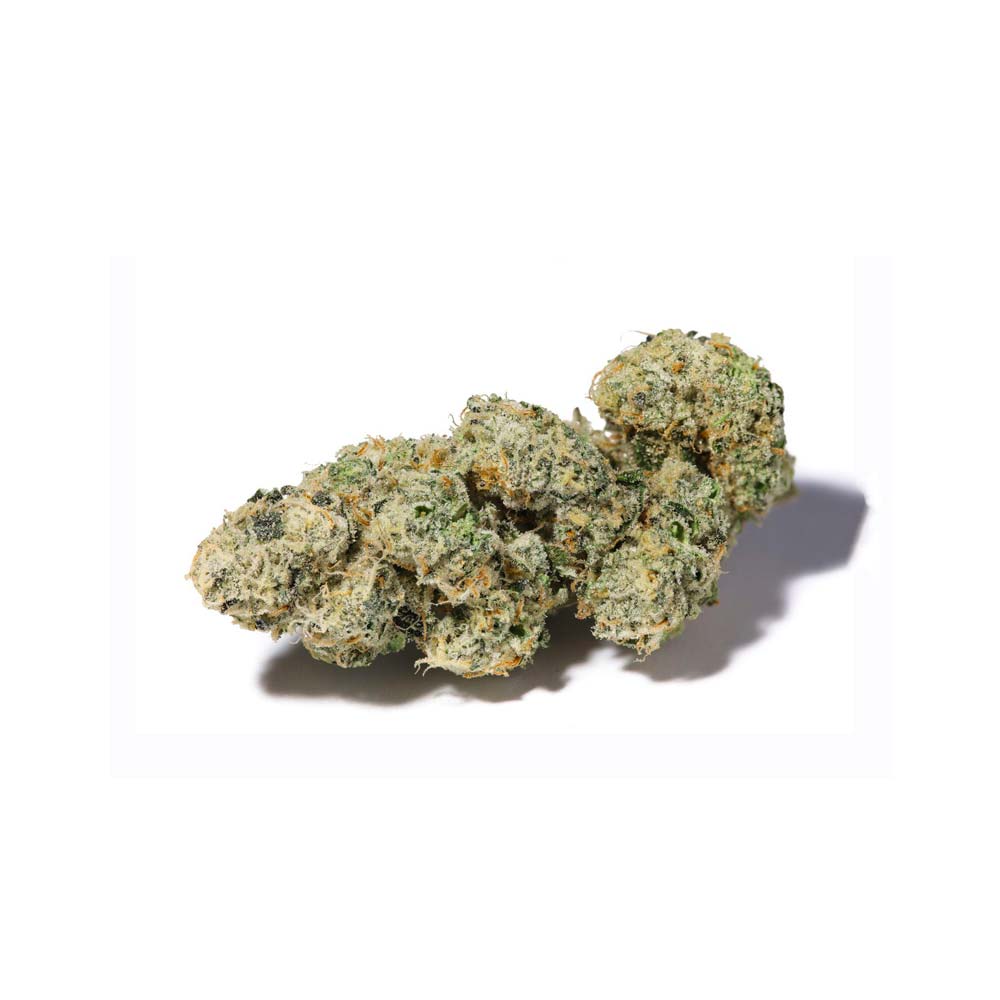
Cannabis Dabs and Concentrates in the UK: A Comprehensive Guide
Important Notice: This guide is for educational purposes. Cannabis remains illegal for recreational use in the UK. Always consult legal advice and healthcare professionals regarding medical cannabis options.
Understanding Cannabis Concentrates and Dabs
Cannabis concentrates, commonly referred to as “dabs,” are highly potent extracts derived from cannabis plant material. These products contain significantly elevated levels of cannabinoids, particularly THC (tetrahydrocannabinol) and CBD (cannabidiol), compared to traditional cannabis flowers. The term “dab” originates from the consumption method, where small amounts are “dabbed” onto heated surfaces using specialised equipment. In the UK context, understanding what these products are is crucial for informed decision-making regarding legal status and availability.
Concentrates are produced through extraction processes that isolate cannabinoids and terpenes from cannabis plant material. Common extraction methods include solvent-based techniques using butane, propane, or CO2, and solventless methods that rely on heat and pressure. These extraction processes remove unwanted plant material, leaving behind a highly concentrated product with cannabinoid levels often ranging from 40% to 99% THC or CBD, depending on the type and starting material quality.
Types of Cannabis Concentrates
Wax
Wax is a soft, crumbly concentrate with a texture resembling lip balm or ear wax. This consistency develops during the extraction and whipping process, which incorporates air into the final product. Wax is popular among users because it’s easy to handle and portion, requires minimal equipment, and offers quick onset effects when consumed. The opaque appearance and manageable texture make it one of the more accessible concentrate types.
Shatter
Shatter is a brittle, translucent concentrate with a glass-like appearance that fractures easily when handled. This consistency results from specific extraction techniques and purging processes that prevent nucleation and crystal formation. The amber to golden hue indicates purity and quality in premium products. Shatter’s stability and long shelf life make it popular for storage, though its fragility can be inconvenient for handling and portioning.
Live Resin
Live resin represents a premium concentrate category produced from fresh, frozen cannabis plant material rather than dried and cured flowers. This preservation method maintains terpene profiles more effectively, resulting in enhanced flavour and aroma profiles compared to other concentrates. The higher terpene content contributes to the “entourage effect,” where cannabinoids and terpenes work synergistically. Live resin typically has a wet, sappy consistency and commands higher prices due to superior sensory characteristics.
Rosin
Rosin is a solventless concentrate produced by applying heat and pressure to cannabis material, forcing out resinous compounds without chemical solvents. This method appeals to users concerned about solvent residues and those preferring natural extraction processes. Rosin can be made from flowers, kief, or hash, producing products ranging from sappy to crystalline textures. The lack of chemical solvents and accessible production methods have made rosin increasingly popular.
Other Notable Concentrates
Additional concentrate types include budder, which has a creamy, whipped texture; crumble, featuring a dry, crumbly consistency; crystalline, with visible THC-A crystals; and sauce, which is a terpene-rich liquid with suspended cannabinoid crystals. Each variety offers different consumption characteristics and user preferences.
Legal Status in the United Kingdom
Cannabis concentrates are classified as Class B drugs under the UK Misuse of Drugs Act 1971. This classification applies regardless of cannabinoid content, consumption method, or potency. Possession of any quantity of cannabis concentrate without authorisation is illegal and can result in criminal penalties including fines up to £5,000 and potential imprisonment. Distribution, production, or trafficking of concentrates attracts significantly harsher penalties, with sentences up to 14 years imprisonment for supply offences.
The Class B designation means concentrates face the same legal restrictions as cannabis flowers, despite their higher potency and different pharmacological profiles. This legal framework applies uniformly across England, Scotland, Wales, and Northern Ireland, though devolved administrations may address policy differently in future legislative changes.
Medical Cannabis Concentrates in the UK
Since November 2018, medical cannabis has been legal in the UK under specific circumstances. However, availability remains extremely limited. The NHS rarely prescribes cannabis-based medicines, with prescriptions primarily available through private specialists. Medical concentrates differ from recreational products in terms of regulation, testing standards, and clinical oversight. Approved medical cannabis products typically contain standardised cannabinoid ratios and undergo pharmaceutical-grade testing.
Patients seeking medical cannabis concentrates must obtain prescriptions from registered specialists and source products through licensed pharmacies. The cost remains prohibitive for many patients, often exceeding several hundred pounds monthly without insurance coverage.
Recreational Cannabis Concentrates
Recreational use of cannabis concentrates remains illegal throughout the UK. Unlike some jurisdictions internationally that have legalised or decriminalised recreational cannabis, the UK maintains prohibition with enforcement across all regions. Possession for personal use, regardless of quantity, constitutes a criminal offence. Law enforcement increasingly targets concentrate producers and suppliers as these products represent high-value markets.
Potency and Health Considerations
Cannabis concentrates’ high potency presents distinct health considerations. THC concentrations significantly exceeding those in traditional flowers can produce intense psychoactive effects, including anxiety, paranoia, and impaired cognitive function. Regular use, particularly among developing brains in adolescents and young adults, may increase risks of cannabis use disorder and mental health complications. Medical supervision and appropriate dosing prove essential for therapeutic applications.
Conclusion
Cannabis concentrates represent a distinct category of cannabis products with significantly higher potency than flowers. While various types exist with different characteristics, all recreational concentrates remain Class B controlled substances in the UK. Medical concentrates occupy a narrow legal space with severely restricted access. Understanding this distinction remains crucial for UK residents navigating cannabis policy and legal requirements.
Medical Disclaimer: The information on this page is for educational purposes only and does not constitute medical advice. Always consult a licensed healthcare professional before starting any new treatment.
https://cannazen.co.uk/wp-content/uploads/2026/01/cosmic-mac-cannabis-doctor-prescription-pharmacy-shop-blute.jpg10001000CannaZen UK Editorial Teamhttps://cannazen.co.uk/wp-content/uploads/2026/01/cannazen-shop-lieferung-cannabis-weed-hemp-online.svgCannaZen UK Editorial Team2026-05-14 20:58:402026-05-23 10:53:39What are Cannabis Dabs UK? Concentrates Guide
We may request cookies to be set on your device. We use cookies to let us know when you visit our websites, how you interact with us, to enrich your user experience, and to customize your relationship with our website.
Click on the different category headings to find out more. You can also change some of your preferences. Note that blocking some types of cookies may impact your experience on our websites and the services we are able to offer.
Essential Website Cookies
These cookies are strictly necessary to provide you with services available through our website and to use some of its features.
Because these cookies are strictly necessary to deliver the website, refusing them will have impact how our site functions. You always can block or delete cookies by changing your browser settings and force blocking all cookies on this website. But this will always prompt you to accept/refuse cookies when revisiting our site.
We fully respect if you want to refuse cookies but to avoid asking you again and again kindly allow us to store a cookie for that. You are free to opt out any time or opt in for other cookies to get a better experience. If you refuse cookies we will remove all set cookies in our domain.
We provide you with a list of stored cookies on your computer in our domain so you can check what we stored. Due to security reasons we are not able to show or modify cookies from other domains. You can check these in your browser security settings.
Google Analytics Cookies
These cookies collect information that is used either in aggregate form to help us understand how our website is being used or how effective our marketing campaigns are, or to help us customize our website and application for you in order to enhance your experience.
If you do not want that we track your visit to our site you can disable tracking in your browser here:
Other external services
We also use different external services like Google Webfonts, Google Maps, and external Video providers. Since these providers may collect personal data like your IP address we allow you to block them here. Please be aware that this might heavily reduce the functionality and appearance of our site. Changes will take effect once you reload the page.
Google Webfont Settings:
Google Map Settings:
Google reCaptcha Settings:
Vimeo and Youtube video embeds:
Other cookies
The following cookies are also needed - You can choose if you want to allow them:
Privacy Policy
You can read about our cookies and privacy settings in detail on our Privacy Policy Page.