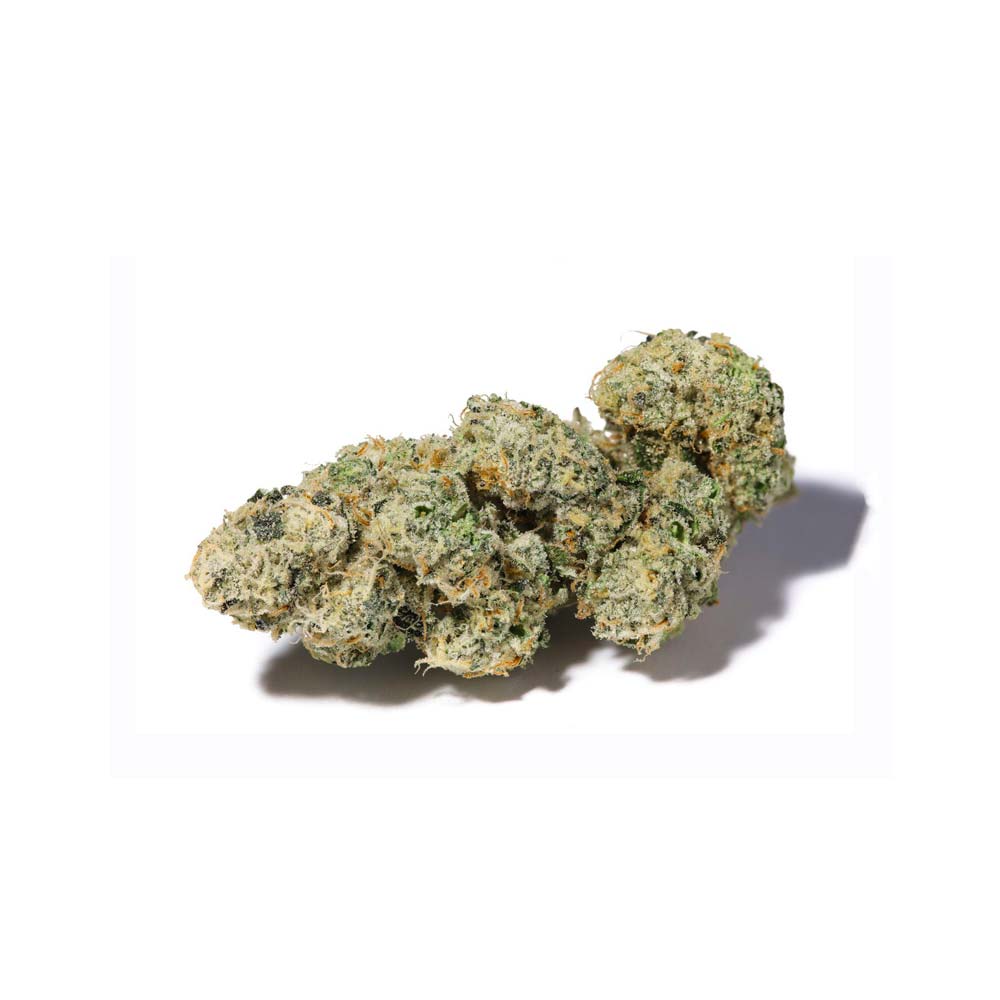
Cannabis and ADHD in the UK: Clinical Evidence and Treatment Considerations
Understanding ADHD and Cannabis
Attention-Deficit/Hyperactivity Disorder (ADHD) affects approximately 1.7% of adults in the UK, characterised by difficulties with attention, impulse control, and executive function. Many individuals with ADHD seek alternative treatments when conventional medications prove insufficient or cause side effects. Cannabis has emerged as a potential therapeutic option, though clinical evidence remains limited and contradictory. Understanding the distinction between cannabis compounds, their mechanisms, and UK regulatory status is essential before considering this approach.
Current clinical evidence regarding cannabis efficacy for ADHD is mixed and largely inconclusive. Most published studies involve small sample sizes, poor methodology, or animal models rather than human trials. A 2021 systematic review found insufficient evidence to recommend cannabis as a standard ADHD treatment. Some patients report subjective improvements in focus and impulse control, but these reports lack robust scientific validation through randomised controlled trials.
The UK National Institute for Health and Care Excellence (NICE) does not recommend cannabis as a first-line or established treatment for ADHD. The limited research available suggests any potential benefits may be outweighed by risks, particularly regarding dependency, cognitive development in younger individuals, and interactions with other medications. Most clinical recommendations prioritise established treatments including stimulant medications, behavioural therapy, and cognitive-behavioural interventions.
CBD Versus THC: Mechanisms and Focus
Cannabidiol (CBD) and tetrahydrocannabinol (THC) are the primary active compounds in cannabis, with distinctly different properties relevant to ADHD management. THC is the psychoactive component responsible for the “high” sensation, while CBD is non-intoxicating and typically considered safer for cognitive function.
THC affects dopamine and glutamate systems in the brain, potentially offering short-term improvements in motivation and focus for some users. However, regular THC use can impair working memory, attention, and executive function—precisely the cognitive domains affected by ADHD. Paradoxically, THC may worsen ADHD symptoms over time, particularly with chronic use or in genetically predisposed individuals.
CBD operates through different neurobiological pathways, including serotonin and adenosine receptors, potentially reducing anxiety without significantly impairing cognition. Some preliminary research suggests CBD might support focus by reducing anxiety-related distractibility. However, direct clinical evidence that CBD improves core ADHD symptoms remains limited. Most research focuses on CBD for anxiety and sleep, not specifically for attention deficits.
Key Point: Neither CBD nor THC has been established as an evidence-based ADHD treatment. CBD appears safer cognitively than THC, but clinical data supporting either compound for ADHD are insufficient.
Risks and Safety Considerations
Cannabis use carries several risks particularly relevant to ADHD management. Dependency represents a significant concern, especially for individuals with ADHD who experience higher vulnerability to substance use disorders due to reward-processing differences. Cannabis dependency develops in approximately 9% of adult users, increasing to 17% among daily users.
Cognitive effects pose another critical risk. Regular cannabis use is associated with impaired attention, memory, and processing speed—functions already compromised in ADHD. Adolescent and young adult use is particularly concerning due to ongoing brain development through the mid-twenties. Cannabis exposure during this period correlates with lasting cognitive deficits and increased psychosis risk in vulnerable individuals.
Respiratory risks from smoking, drug interactions with ADHD medications, anxiety and paranoia from THC use, and impaired driving ability are additional considerations. Cannabis can interact with stimulant medications, potentially increasing cardiovascular risks.
UK Legal Status and Prescribing for ADHD
Cannabis remains a Schedule I controlled drug in the UK, illegal for recreational and most medical purposes. Medical cannabis is only available through NHS prescription for specific conditions: chemotherapy-induced nausea, multiple sclerosis spasticity, and intractable epilepsy. ADHD is not an approved indication for medical cannabis prescription in the UK.
Specialist doctors at designated NHS hospitals can prescribe medical cannabis containing both THC and CBD, but only within the three approved conditions. Private prescribing of medical cannabis exists in the UK, but quality control, insurance coverage, and legal complexity create substantial barriers. Most private cannabis prescriptions require substantial out-of-pocket expenditure, typically £10-15 per gram, and insurance rarely covers these costs.
Using or obtaining non-prescription cannabis for ADHD remains illegal and carries potential criminal penalties including fines and imprisonment.
Established Alternative Treatments
Rather than pursuing cannabis, evidence-based ADHD treatments should form the foundation of management. Prescription stimulants (methylphenidate, amphetamine-based medications) remain the gold standard, with decades of safety data and proven efficacy for 70-80% of patients. Non-stimulant medications including atomoxetine and guanfacine offer alternatives for those who cannot tolerate stimulants.
Psychological interventions including cognitive-behavioural therapy, dialectical behaviour therapy, and mindfulness-based approaches provide evidence-supported benefits. Lifestyle modifications including structured sleep schedules, regular exercise, omega-3 supplementation, and dietary adjustments support symptom management.
Workplace or educational accommodations, organisational strategies, and ADHD coaching enhance functioning without pharmacological intervention. Multi-modal approaches combining medication, therapy, and lifestyle strategies produce superior outcomes compared to single interventions.
Conclusion
Despite some anecdotal reports and theoretical mechanisms suggesting potential benefits, cannabis cannot be recommended as a validated treatment for ADHD in the UK. Clinical evidence remains insufficient, legal restrictions apply, and risks—particularly regarding cognitive function, dependency, and ADHD symptom exacerbation—outweigh unproven benefits. Individuals with ADHD should prioritise consultation with specialist clinicians regarding evidence-based pharmacological and psychological treatments rather than pursuing cannabis as an alternative therapy.
Medical Disclaimer: The information on this page is for educational purposes only and does not constitute medical advice. Always consult a licensed healthcare professional before starting any new treatment.
https://cannazen.co.uk/wp-content/uploads/2026/01/cosmic-mac-cannabis-doctor-prescription-pharmacy-shop-blute.jpg10001000CannaZen UK Editorial Teamhttps://cannazen.co.uk/wp-content/uploads/2026/01/cannazen-shop-lieferung-cannabis-weed-hemp-online.svgCannaZen UK Editorial Team2026-05-14 20:58:382026-05-23 10:41:18Does Cannabis Help ADHD UK? Evidence Guide
We may request cookies to be set on your device. We use cookies to let us know when you visit our websites, how you interact with us, to enrich your user experience, and to customize your relationship with our website.
Click on the different category headings to find out more. You can also change some of your preferences. Note that blocking some types of cookies may impact your experience on our websites and the services we are able to offer.
Essential Website Cookies
These cookies are strictly necessary to provide you with services available through our website and to use some of its features.
Because these cookies are strictly necessary to deliver the website, refusing them will have impact how our site functions. You always can block or delete cookies by changing your browser settings and force blocking all cookies on this website. But this will always prompt you to accept/refuse cookies when revisiting our site.
We fully respect if you want to refuse cookies but to avoid asking you again and again kindly allow us to store a cookie for that. You are free to opt out any time or opt in for other cookies to get a better experience. If you refuse cookies we will remove all set cookies in our domain.
We provide you with a list of stored cookies on your computer in our domain so you can check what we stored. Due to security reasons we are not able to show or modify cookies from other domains. You can check these in your browser security settings.
Google Analytics Cookies
These cookies collect information that is used either in aggregate form to help us understand how our website is being used or how effective our marketing campaigns are, or to help us customize our website and application for you in order to enhance your experience.
If you do not want that we track your visit to our site you can disable tracking in your browser here:
Other external services
We also use different external services like Google Webfonts, Google Maps, and external Video providers. Since these providers may collect personal data like your IP address we allow you to block them here. Please be aware that this might heavily reduce the functionality and appearance of our site. Changes will take effect once you reload the page.
Google Webfont Settings:
Google Map Settings:
Google reCaptcha Settings:
Vimeo and Youtube video embeds:
Other cookies
The following cookies are also needed - You can choose if you want to allow them:
Privacy Policy
You can read about our cookies and privacy settings in detail on our Privacy Policy Page.