Medical Cannabis for Neck Pain and Cervical Spine Issues in the UK
Understanding Cervical Spine Pain
Neck pain and cervical spine issues affect millions of people in the UK, ranging from mild discomfort to debilitating conditions that significantly impact quality of life. Common causes include whiplash injuries, arthritis, degenerative disc disease, herniated discs, and muscle strain. Traditional treatments often include physiotherapy, non-steroidal anti-inflammatory drugs (NSAIDs), muscle relaxants, and in severe cases, surgery. However, many patients seek alternative or complementary therapies, and medical cannabis has emerged as a potential option worth exploring.
Medical cannabis contains two primary active compounds: cannabidiol (CBD) and tetrahydrocannabinol (THC). Research into cannabis for chronic pain, including cervical spine issues, is still developing, but several studies suggest promising results.
THC acts on cannabinoid receptors throughout the central and peripheral nervous systems, potentially reducing pain perception and inflammation. CBD offers anti-inflammatory and analgesic properties without the psychoactive effects associated with THC. A 2018 systematic review published in the Journal of Pain noted that cannabis may be effective for chronic pain management, though researchers emphasised the need for more rigorous clinical trials.
Clinical experience from specialist pain clinics in the UK indicates that some patients report significant improvements in neck pain, reduced muscle tension, and improved sleep quality when using medical cannabis. The National Academies of Sciences, Engineering, and Medicine (NASEM) concluded in 2017 that there is “substantial evidence” that cannabis is effective for treatment of chronic pain in adults.
However, the evidence is not conclusive for cervical spine issues specifically, and individual responses vary considerably. This is why medical cannabis remains a treatment option typically considered only when conventional therapies have been unsuccessful.
Best Strains for Neck Pain and Cervical Issues
When prescribed medical cannabis in the UK, patients typically receive products rather than named “strains” in the traditional sense. However, products are often categorised by their CBD to THC ratios. For neck pain management, several profiles are commonly recommended:
Balanced CBD:THC Products (1:1 ratio) – These combine pain-relieving properties with reduced psychoactive effects, making them suitable for daytime use. Products like Bedrocan’s CBD varieties offer consistent cannabinoid profiles.
CBD-dominant products (20:1 or higher) – Ideal for patients seeking anti-inflammatory benefits without intoxication. Brands like Charlotte’s Web-style formulations provide pain relief whilst maintaining cognitive function.
THC-predominant products (evening use) – For patients experiencing pain-related insomnia, slightly THC-dominant products taken in the evening may help relieve muscle tension and improve sleep quality.
Full-spectrum products – These contain multiple cannabinoids and terpenes, which may work synergistically. Products from companies like Bedrocan and Tilray offer consistent pharmaceutical-grade options.
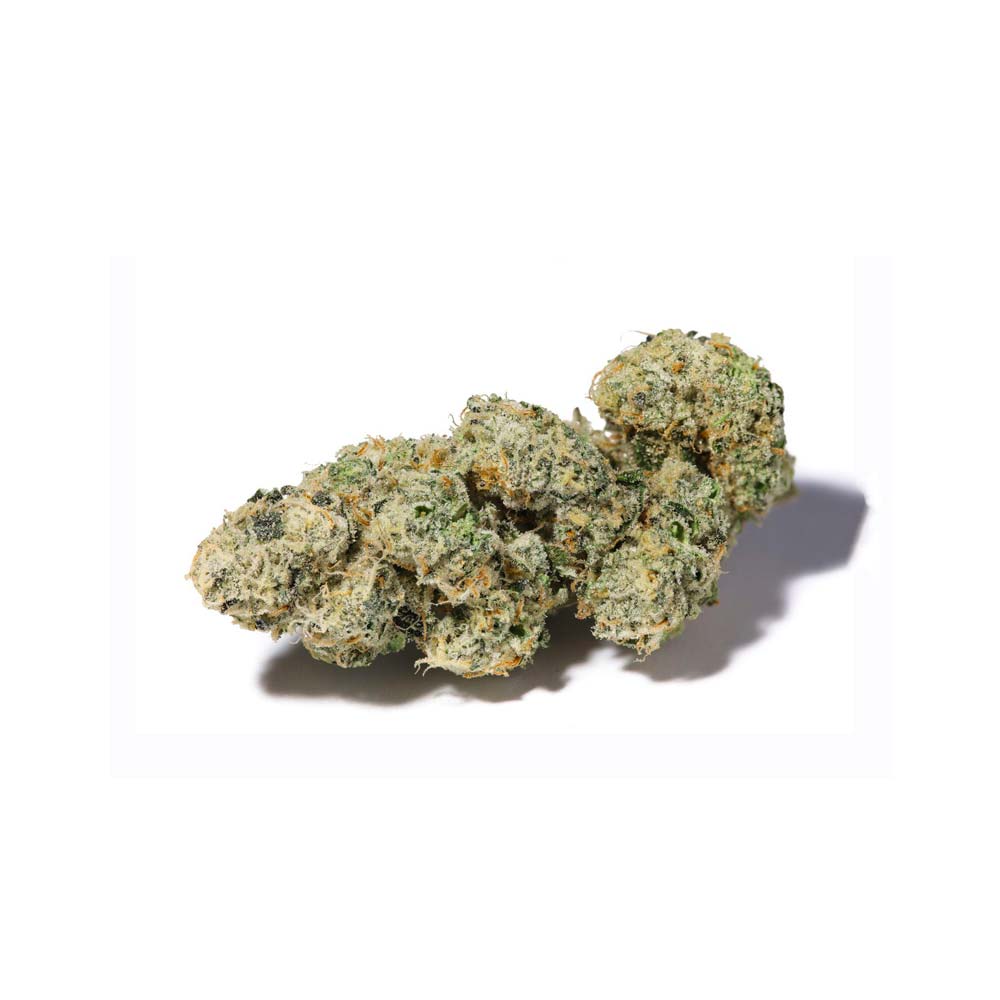
In UK clinical practice, specific products available include Nabilone (a synthetic cannabinoid), plant-based cannabis flower, and CBD-rich oils. Your specialist will recommend based on your specific presentation and medical history.
How to Obtain a Medical Cannabis Prescription in the UK
Obtaining medical cannabis in the UK requires navigating specific regulatory pathways. As of November 2018, medical cannabis became legal in the UK under certain circumstances, though it remains highly regulated.
Step 1: Specialist Referral – You cannot obtain medical cannabis through your GP in most cases. You must be referred to a specialist consultant, typically a pain specialist, neurologist, or rheumatologist. This usually requires exhausting conventional treatments first.
Step 2: Private Specialist Consultation – Several private clinics now specialise in medical cannabis prescriptions. Reputable options include Sapphire Medical, Integro Clinics, and Private Harley Street practitioners. Expect an initial consultation fee of £150-£300.
Step 3: NHS Route (Limited) – Certain NHS trusts offer medical cannabis through specialists, though availability is extremely limited and criteria are strict. You may ask your GP whether your local trust participates in any NHS cannabis schemes.
Step 4: Prescription and Dispensing – Once prescribed, your medication is dispensed through specialist pharmacies, often requiring direct mail delivery. Only registered specialists can prescribe, and prescriptions must comply with Home Office regulations.
Costs and Financial Considerations
Medical cannabis in the UK is expensive and rarely covered by the NHS. Costs typically include:
Initial consultation: £150-£400
Follow-up appointments: £100-£200
Monthly medication costs: £100-£400, depending on product type and dosage
Pharmacy dispensing fees: £20-£50 per prescription
Annual costs for private medical cannabis treatment can exceed £2,000-£3,000. Some private health insurance policies may cover specialist consultations but rarely cover the medication itself. It’s advisable to check your policy before proceeding.
Practical Considerations and Next Steps
Before pursuing medical cannabis, ensure you’ve tried conventional treatments including physiotherapy, NSAIDs, and if appropriate, corticosteroid injections. Document your pain levels, functional limitations, and previous treatment responses, as specialists require detailed medical histories.
Medical cannabis is not suitable for everyone. It’s contraindicated in patients with psychotic disorders, certain cardiovascular conditions, and those who are pregnant or breastfeeding. Discussion with a knowledgeable specialist is essential.
If you’re interested in exploring this option, begin by researching accredited specialist clinics, preparing your medical documentation, and discussing the potential benefits and risks with a healthcare professional experienced in cannabis therapeutics.
Medical Disclaimer: The information on this page is for educational purposes only and does not constitute medical advice. Always consult a licensed healthcare professional before starting any new treatment.
https://cannazen.co.uk/wp-content/uploads/2026/01/cosmic-mac-cannabis-doctor-prescription-pharmacy-shop-blute.jpg10001000CannaZen UK Editorial Teamhttps://cannazen.co.uk/wp-content/uploads/2026/01/cannazen-shop-lieferung-cannabis-weed-hemp-online.svgCannaZen UK Editorial Team2026-05-14 20:58:172026-05-23 10:41:18Medical Cannabis for Neck Pain UK – Guide
We may request cookies to be set on your device. We use cookies to let us know when you visit our websites, how you interact with us, to enrich your user experience, and to customize your relationship with our website.
Click on the different category headings to find out more. You can also change some of your preferences. Note that blocking some types of cookies may impact your experience on our websites and the services we are able to offer.
Essential Website Cookies
These cookies are strictly necessary to provide you with services available through our website and to use some of its features.
Because these cookies are strictly necessary to deliver the website, refusing them will have impact how our site functions. You always can block or delete cookies by changing your browser settings and force blocking all cookies on this website. But this will always prompt you to accept/refuse cookies when revisiting our site.
We fully respect if you want to refuse cookies but to avoid asking you again and again kindly allow us to store a cookie for that. You are free to opt out any time or opt in for other cookies to get a better experience. If you refuse cookies we will remove all set cookies in our domain.
We provide you with a list of stored cookies on your computer in our domain so you can check what we stored. Due to security reasons we are not able to show or modify cookies from other domains. You can check these in your browser security settings.
Google Analytics Cookies
These cookies collect information that is used either in aggregate form to help us understand how our website is being used or how effective our marketing campaigns are, or to help us customize our website and application for you in order to enhance your experience.
If you do not want that we track your visit to our site you can disable tracking in your browser here:
Other external services
We also use different external services like Google Webfonts, Google Maps, and external Video providers. Since these providers may collect personal data like your IP address we allow you to block them here. Please be aware that this might heavily reduce the functionality and appearance of our site. Changes will take effect once you reload the page.
Google Webfont Settings:
Google Map Settings:
Google reCaptcha Settings:
Vimeo and Youtube video embeds:
Other cookies
The following cookies are also needed - You can choose if you want to allow them:
Privacy Policy
You can read about our cookies and privacy settings in detail on our Privacy Policy Page.