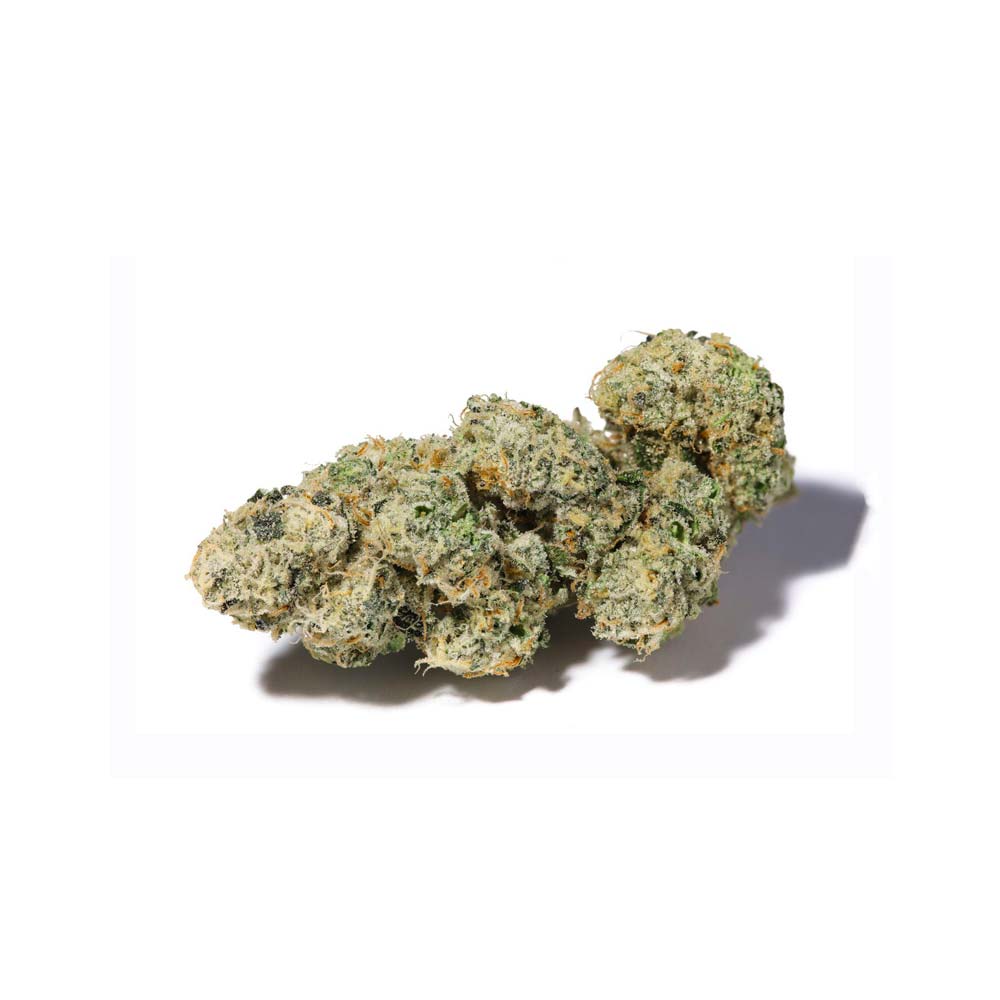
Quick Answer: Cannabis remains largely illegal in the UK for recreational use, but is legally available through prescription for specific medical conditions. CBD products with minimal THC content are legal for consumer purchase.
Recreational Cannabis: Class B (Illegal)
Recreational cannabis remains completely illegal throughout the United Kingdom in 2024. Cannabis is classified as a Class B controlled drug under the Misuse of Drugs Act 1971, placing it alongside amphetamines and barbiturates in terms of legal status.
Possession Penalties
Possessing cannabis for personal recreational use carries serious legal consequences in the UK:
First-time offenders: Typically face a police caution or a fixed penalty notice of £90
Repeat offenders: May be prosecuted in court
Court sentencing: Up to five years imprisonment for possession, plus unlimited fines
Criminal record: A conviction results in a permanent criminal record, affecting employment, housing, and travel opportunities
Supply and Distribution
Supplying cannabis carries significantly harsher penalties than possession:
Up to 14 years imprisonment for supplying cannabis
Unlimited fines for distribution offences
Enhanced penalties if supply occurs near schools
Asset seizure and proceeds of crime investigation for serious suppliers
Current Legal Status
Despite ongoing debates about cannabis legalization and decriminalization in the UK, no changes have been implemented As of 2026. The government maintains that recreational cannabis poses public health risks and remains committed to its Class B classification. Some private members’ bills have been proposed in Parliament to decriminalize or legalize cannabis, but none have progressed into law.
Medical Cannabis: Schedule 2 (Legal with Prescription)
Medical cannabis became legally available through prescription in the United Kingdom from November 2018. This represents a significant exception to the general prohibition, allowing qualified patients to access cannabis-based medicinal products through the NHS or private prescription.
Prescription Requirements
Cannabis-based medicinal products are classified as Schedule 2 controlled drugs, meaning they are legally available but only through strict medical channels:
Prescription must be issued by a specialist doctor, not GPs
Patients must have exhausted conventional treatment options
Multiple sclerosis, epilepsy, and chronic pain are primary conditions considered
Prescriptions are typically provided by private specialists due to NHS limitations
Cost varies depending on whether obtained through private channels or NHS
Approved Medical Uses
The Home Office and NHS have identified specific conditions where cannabis-based medicinal products may be considered:
Chemotherapy side effects: Nausea and vomiting management
End-of-life care: In some hospice settings
Practical Access Issues
Despite legalization, accessing medical cannabis in the UK remains challenging for many patients. The number of NHS prescriptions remains extremely limited, and most patients must pursue private specialists at considerable expense. Advocacy groups argue that access barriers contradict the legal status of medical cannabis, creating a system where the treatment is technically legal but practically inaccessible for many.
CBD Products: Legal Under 1mg THC
Cannabidiol (CBD), a non-intoxicating cannabinoid, is legal to sell and consume in the United Kingdom under specific conditions. This has created a thriving legal market for CBD products ranging from oils and tinctures to cosmetics and food supplements.
Legal Framework for CBD
CBD products are legal in the UK provided they meet strict regulatory requirements:
THC content: Must contain less than 1mg of THC (or be below 0.2% THC concentration)
Novel Foods Regulation: CBD must comply with EU Novel Foods regulations, though this remains fluid post-Brexit
Labeling: Products must be accurately labeled with THC and CBD content
No medical claims: Unless approved as a medicine, CBD products cannot make health claims
Available CBD Products
The legal CBD market includes diverse products available through various retailers:
CBD oils and tinctures
CBD-infused edibles and beverages
CBD topical creams and salves
CBD capsules and supplements
CBD cosmetics and skincare products
Quality and Safety Considerations
While CBD is legal, consumers should exercise caution when purchasing. The largely unregulated market means quality varies significantly between products. Reputable vendors provide third-party lab testing certificates verifying THC content and CBD quantities. Products exceeding the 1mg THC threshold are technically illegal, so verification from reliable sources is essential.
Summary
in 2026, the UK maintains a three-tier approach to cannabis: recreational use remains completely illegal with Class B penalties, medical use is legal through specialized prescription channels, and CBD products are legal when they meet strict THC content thresholds. This system reflects ongoing tension between evidence-based medicine and drug policy, with continued debate about whether recreational legalization should follow countries like Canada and parts of the United States.
Medical Disclaimer: The information on this page is for educational purposes only and does not constitute medical advice. Always consult a licensed healthcare professional before starting any new treatment.
https://cannazen.co.uk/wp-content/uploads/2026/01/cosmic-mac-cannabis-doctor-prescription-pharmacy-shop-blute.jpg10001000CannaZen UK Editorial Teamhttps://cannazen.co.uk/wp-content/uploads/2026/01/cannazen-shop-lieferung-cannabis-weed-hemp-online.svgCannaZen UK Editorial Team2026-05-14 20:58:092026-05-23 10:53:39Is Cannabis Legal in the UK? Law Guide
We may request cookies to be set on your device. We use cookies to let us know when you visit our websites, how you interact with us, to enrich your user experience, and to customize your relationship with our website.
Click on the different category headings to find out more. You can also change some of your preferences. Note that blocking some types of cookies may impact your experience on our websites and the services we are able to offer.
Essential Website Cookies
These cookies are strictly necessary to provide you with services available through our website and to use some of its features.
Because these cookies are strictly necessary to deliver the website, refusing them will have impact how our site functions. You always can block or delete cookies by changing your browser settings and force blocking all cookies on this website. But this will always prompt you to accept/refuse cookies when revisiting our site.
We fully respect if you want to refuse cookies but to avoid asking you again and again kindly allow us to store a cookie for that. You are free to opt out any time or opt in for other cookies to get a better experience. If you refuse cookies we will remove all set cookies in our domain.
We provide you with a list of stored cookies on your computer in our domain so you can check what we stored. Due to security reasons we are not able to show or modify cookies from other domains. You can check these in your browser security settings.
Google Analytics Cookies
These cookies collect information that is used either in aggregate form to help us understand how our website is being used or how effective our marketing campaigns are, or to help us customize our website and application for you in order to enhance your experience.
If you do not want that we track your visit to our site you can disable tracking in your browser here:
Other external services
We also use different external services like Google Webfonts, Google Maps, and external Video providers. Since these providers may collect personal data like your IP address we allow you to block them here. Please be aware that this might heavily reduce the functionality and appearance of our site. Changes will take effect once you reload the page.
Google Webfont Settings:
Google Map Settings:
Google reCaptcha Settings:
Vimeo and Youtube video embeds:
Other cookies
The following cookies are also needed - You can choose if you want to allow them:
Privacy Policy
You can read about our cookies and privacy settings in detail on our Privacy Policy Page.