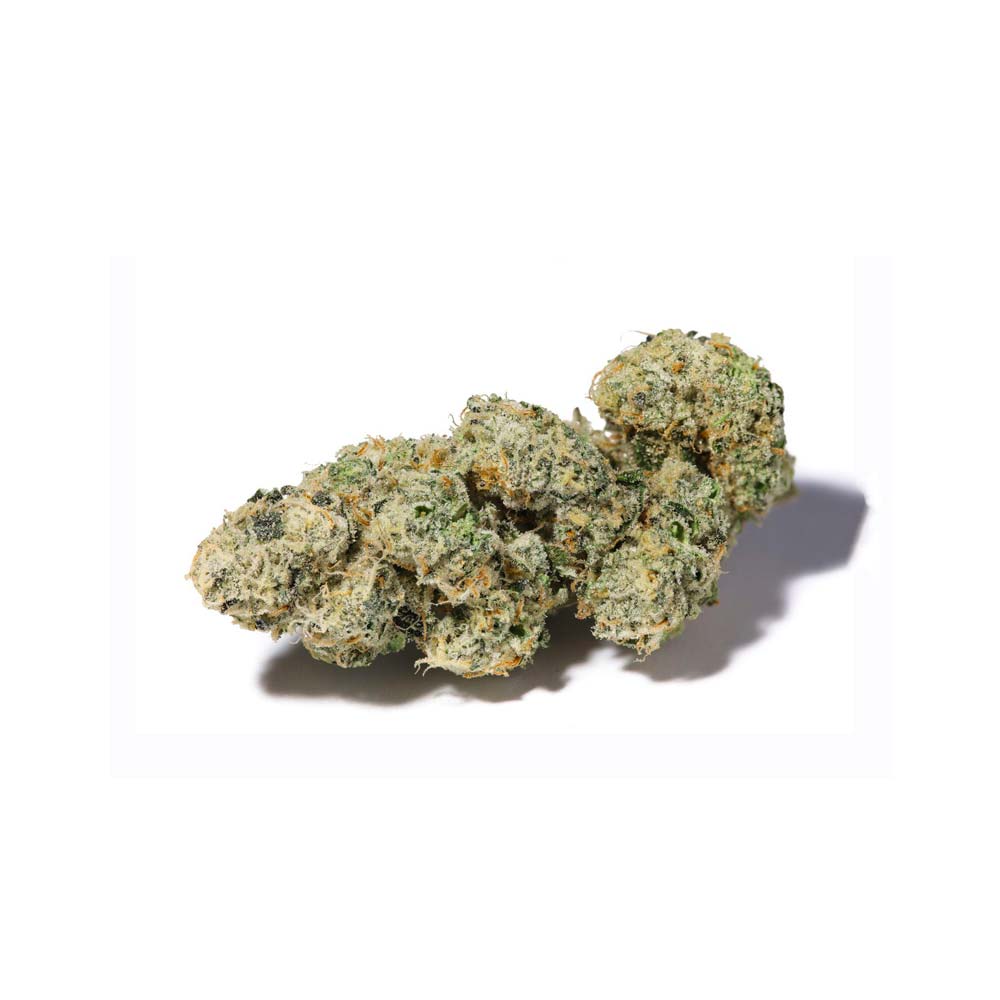
Hashish, commonly known as hash, is a concentrated form of cannabis derived from the resin glands of the cannabis plant. Unlike cannabis flower, which consists of dried buds and leaves, hash is a compressed or solidified product containing significantly higher concentrations of cannabinoids, particularly THC (tetrahydrocannabinol). In the United Kingdom, hashish has been a prevalent cannabis product for decades and remains one of the most commonly consumed forms of the drug among users. The substance typically appears as a brownish or dark block or ball and can vary considerably in texture, color, and potency depending on its origin and production method.
How is Hashish Made?
The production of hashish involves extracting the resinous trichomes from cannabis flowers and leaves. These trichomes contain the plant’s cannabinoids and terpenes. The most traditional method, used for centuries across the Middle East and Central Asia, involves dry sifting or hand-rubbing cannabis plant material to collect the resin glands, which are then pressed together into blocks. Modern production methods include water-based extraction using ice water to separate trichomes from plant material, which are then dried and compressed. Some producers use solvent-based extraction with alcohol or hydrocarbons, though this requires specialized equipment. The collected resin is typically heated and pressed to form its characteristic solid consistency. The quality and potency of the final product depend on the cannabis strain used, harvest timing, and extraction technique employed.
Moroccan hashish represents one of the most widely available types in the UK market. Morocco has historically been the world’s largest hashish producer, cultivating cannabis in the Rif Mountains for centuries. Moroccan hash is typically produced using the dry sift method, where female cannabis plants are dried and their flowers are rubbed over fine silk screens to collect trichomes. The resulting powder is then pressed and heated to create the final product. Moroccan hash generally has a lighter color, ranging from tan to golden brown, and often features a somewhat crumbly or slightly oily texture. The potency typically ranges from 10-25% THC, though this can vary significantly based on quality grades. Its relatively affordable price point and consistent availability have made it a staple in the UK, though quality can be highly variable and products may be adulterated with plant material or other substances.
Afghan Hashish
Afghan hashish, produced in Afghanistan’s hashish-producing regions, represents another major source of hash consumed in the UK. Afghan production methods traditionally involve hand-rubbing cannabis plants, with workers’ hands becoming covered in resin which is then scraped off and collected. This labor-intensive process is repeated multiple times to accumulate sufficient quantities for pressing. Afghan hash is characteristically darker in appearance, often ranging from deep brown to nearly black, and typically has a more solid, almost plastic-like consistency. The color intensity is partly due to the oxidation that occurs during the long production and transportation process. Afghan hash generally contains slightly higher THC levels than Moroccan varieties, ranging from 20-30%, making it a more potent option. The product is often pressed into distinctive shapes, particularly balls or bars, and has cultivated a reputation for quality among UK consumers, though authenticity and purity remain concerns in the illegal market.
Pollen Hash
Pollen, also known as kief or dry sift hash, represents a less processed form of hashish that has gained popularity in recent years. This product consists of pressed trichome heads without the compacting and heating process applied to traditional hash. Pollen typically appears as a fine powder or granular substance with a golden to greenish-brown color, depending on the cannabis strain and harvest conditions. The texture is generally crumbly and loose compared to conventional hash blocks. Pollen hash tends to have very high cannabinoid concentration, with THC levels frequently exceeding 30%, making it one of the most potent hashish forms. Its lighter color results from minimal oxidation and processing. Pollen is often favored by experienced users seeking maximum potency and is sometimes considered more suitable for vaporization compared to denser hash varieties. However, its powdery nature makes it less convenient for transport and storage than compressed hash.
Legal Status in the UK
Hashish is classified as a Schedule 1 controlled drug under the Misuse of Drugs Act 1971, specifically designated as a Class B substance. This classification means that possession of hash for personal use can result in up to five years imprisonment, an unlimited fine, or both. Supplying or distributing hashish carries significantly harsher penalties, with maximum sentences of fourteen years imprisonment. Despite its Class B status, hashish remains one of the most commonly seized and used illicit drugs in the UK. The legal classification reflects the drug’s psychoactive properties and associated risks, though the UK’s classification system places hash at a lower level than Class A drugs like heroin and cocaine. Possession of even small quantities can result in criminal records, affecting employment and education prospects.
Effects Compared to Cannabis Flower
The primary difference between hashish and cannabis flower lies in potency and cannabinoid concentration. Hash contains significantly more THC per gram than flower, typically ranging from 10-40% depending on type and quality, whereas flower usually contains 5-15% THC. This higher concentration results in more intense and rapid onset of effects. Users typically experience stronger psychoactive effects, including altered perception, euphoria, and heightened sensory awareness. The concentrated nature of hash means smaller quantities are needed to achieve desired effects, making it more economical for regular users. However, the increased potency also raises risks of acute anxiety, paranoia, and panic, particularly among inexperienced or sensitive users. Hash’s effects may last longer than flower due to the increased cannabinoid load. The method of consumption also affects the experience; smoking hash requires different techniques than flower, often involving special pipes or mixing with tobacco. Vaporizing hash is increasingly popular as it may reduce harmful combustion byproducts while delivering cannabinoids efficiently.
Medical Disclaimer: The information on this page is for educational purposes only and does not constitute medical advice. Always consult a licensed healthcare professional before starting any new treatment.
https://cannazen.co.uk/wp-content/uploads/2026/01/cosmic-mac-cannabis-doctor-prescription-pharmacy-shop-blute.jpg10001000CannaZen UK Editorial Teamhttps://cannazen.co.uk/wp-content/uploads/2026/01/cannazen-shop-lieferung-cannabis-weed-hemp-online.svgCannaZen UK Editorial Team2026-05-14 20:57:502026-05-23 10:54:36What is Hash? UK Guide to Cannabis Resin
We may request cookies to be set on your device. We use cookies to let us know when you visit our websites, how you interact with us, to enrich your user experience, and to customize your relationship with our website.
Click on the different category headings to find out more. You can also change some of your preferences. Note that blocking some types of cookies may impact your experience on our websites and the services we are able to offer.
Essential Website Cookies
These cookies are strictly necessary to provide you with services available through our website and to use some of its features.
Because these cookies are strictly necessary to deliver the website, refusing them will have impact how our site functions. You always can block or delete cookies by changing your browser settings and force blocking all cookies on this website. But this will always prompt you to accept/refuse cookies when revisiting our site.
We fully respect if you want to refuse cookies but to avoid asking you again and again kindly allow us to store a cookie for that. You are free to opt out any time or opt in for other cookies to get a better experience. If you refuse cookies we will remove all set cookies in our domain.
We provide you with a list of stored cookies on your computer in our domain so you can check what we stored. Due to security reasons we are not able to show or modify cookies from other domains. You can check these in your browser security settings.
Google Analytics Cookies
These cookies collect information that is used either in aggregate form to help us understand how our website is being used or how effective our marketing campaigns are, or to help us customize our website and application for you in order to enhance your experience.
If you do not want that we track your visit to our site you can disable tracking in your browser here:
Other external services
We also use different external services like Google Webfonts, Google Maps, and external Video providers. Since these providers may collect personal data like your IP address we allow you to block them here. Please be aware that this might heavily reduce the functionality and appearance of our site. Changes will take effect once you reload the page.
Google Webfont Settings:
Google Map Settings:
Google reCaptcha Settings:
Vimeo and Youtube video embeds:
Other cookies
The following cookies are also needed - You can choose if you want to allow them:
Privacy Policy
You can read about our cookies and privacy settings in detail on our Privacy Policy Page.