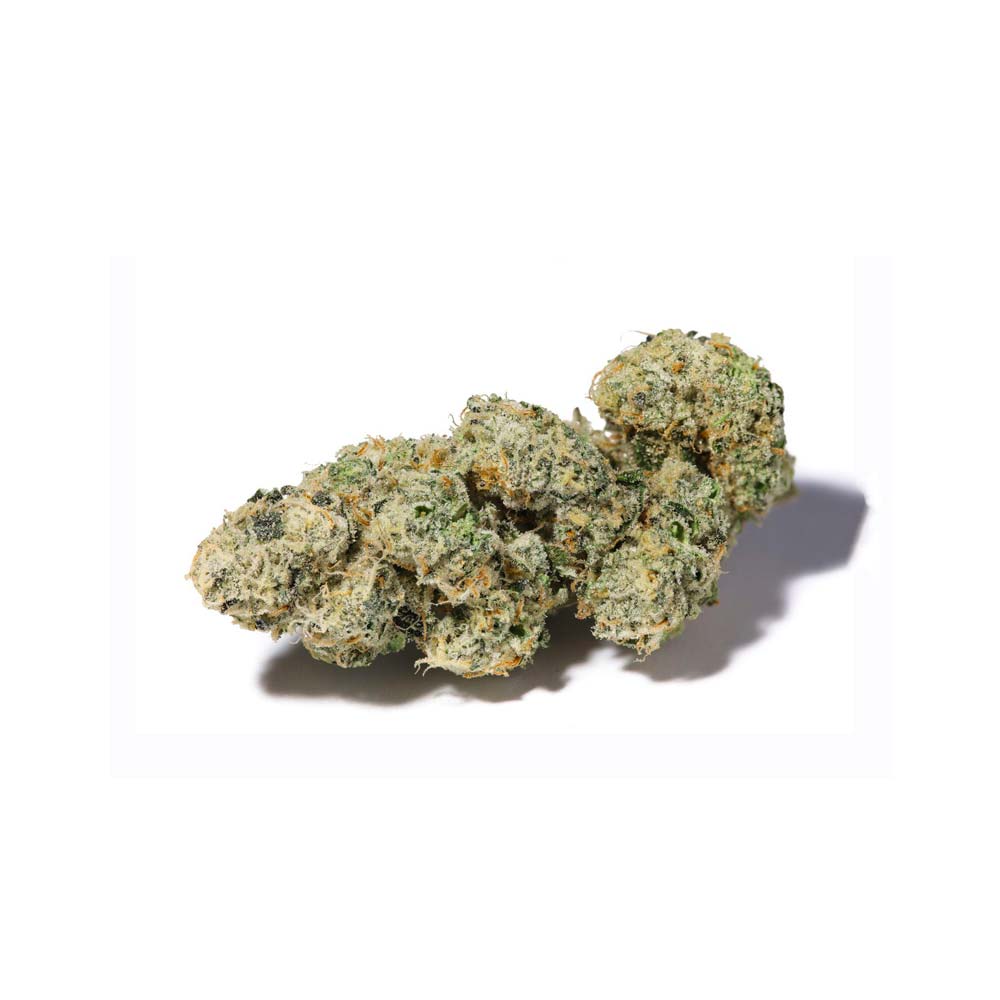
Medical Cannabis for Veterans UK – PTSD, Chronic Pain
Medical Cannabis for Veterans UK: PTSD and Chronic Pain Relief
Military veterans across the United Kingdom face distinctive health challenges following their service. Post-traumatic stress disorder (PTSD) and chronic pain conditions affect thousands of veterans annually, yet traditional pharmaceutical treatments don’t always provide adequate relief. Medical cannabis has emerged as a potentially significant therapeutic option for UK veterans, offering hope to those struggling with these debilitating conditions.
Understanding Cannabis Veterans UK: The Growing Conversation
The relationship between cannabis veterans UK represents a pivotal shift in how the nation approaches military healthcare. Recent surveys indicate that approximately 15% of UK armed forces veterans experience PTSD symptoms, whilst chronic pain affects an even larger proportion of the veteran population. This significant health burden has prompted increased interest in alternative treatment modalities, including medical cannabis.
In November 2018, the UK government legally reclassified cannabis from Schedule 1 to Schedule 2, making it possible for doctors to prescribe cannabis-based medicines for specific medical conditions. This pivotal decision opened doors for veteran patients who had exhausted conventional treatment options without achieving satisfactory results.
Post-traumatic stress disorder remains one of the most prevalent mental health conditions affecting UK military veterans. Symptoms include intrusive thoughts, nightmares, hypervigilance, and emotional numbness. Traditional treatments involve cognitive-behavioural therapy and pharmaceuticals such as selective serotonin reuptake inhibitors, but these approaches don’t work effectively for everyone.
Medical cannabis, particularly products containing both CBD (cannabidiol) and THC (tetrahydrocannabinol), has shown promise in preliminary research for PTSD management. CBD possesses anxiolytic properties, potentially reducing anxiety and promoting relaxation without producing intoxicating effects. THC may help alleviate hypervigilance and improve sleep quality, both critical concerns for PTSD sufferers.
A 2021 study published in therapeutic cannabis research highlighted that cannabinoid treatments could support the endocannabinoid system, which plays a crucial role in emotional processing and memory regulation. For veterans struggling with trauma-related symptoms, this biological mechanism offers a scientifically grounded rationale for cannabis-based interventions.
Chronic Pain Management Through Cannabis
Chronic pain affects an estimated 35% of UK military veterans, often resulting from service-related injuries, operational stress, or complex musculoskeletal conditions. Managing such pain typically involves opioid medications, which carry significant risks including addiction, tolerance development, and dangerous side effects.
Medical cannabis presents an alternative pain management strategy. Cannabinoids interact with the body’s pain perception pathways, reducing inflammatory markers and modulating pain signalling. Notably, cannabis may enable some patients to reduce opioid consumption, addressing the broader public health concern surrounding opioid dependency.
The British Pain Society acknowledges that cannabis-based medicines warrant consideration for patients with chronic pain that hasn’t responded adequately to conventional treatments. For veterans experiencing neuropathic pain, phantom limb pain, or arthritis-related discomfort, medical cannabis could represent a meaningful treatment option when prescribed appropriately.
Accessing Medical Cannabis: Current UK Framework
Understanding how to access medical cannabis remains challenging for many UK veterans. The NHS has issued specific clinical guidance restricting cannabis-based medicines to exceptional cases, typically where conventional treatments have failed and significant clinical justification exists.
Veterans seeking cannabis treatment should follow these pathways: first, consult their GP about their symptoms and previous treatment attempts. GPs can refer appropriate patients to specialist clinics experienced in cannabis prescription. Alternatively, private best UK cannabis clinics operate throughout the UK, offering consultations and prescriptions for qualifying conditions.
Private prescriptions range from £150 to £500 monthly depending on the specific product and dosage requirements. Whilst expensive, many veterans find the investment worthwhile when experiencing symptomatic relief. Some insurance policies now cover private cannabis treatments, so checking individual policies may be beneficial.
The Evidence Base: What Research Shows
Whilst research into cannabis for PTSD and chronic pain continues evolving, existing evidence provides encouraging insights. A 2019 analysis examining veterans’ cannabis use discovered that those using cannabis reported improved sleep quality, reduced nightmares, and decreased anxiety symptoms. However, researchers emphasised the necessity for larger, controlled trials.
Studies specifically examining CBD for anxiety disorders show consistent positive results. The compound demonstrates low abuse potential and excellent safety profiles, making it particularly suitable for long-term therapeutic use. THC-dominant preparations require more cautious consideration, particularly for patients with predispositions to psychotic disorders.
The endocannabinoid system plays fundamental roles in regulating stress responses, pain perception, and emotional processing. Targeting this system through cannabinoid therapy addresses underlying physiological mechanisms rather than merely masking symptoms, offering potential for more durable therapeutic benefits.
Practical Considerations for Veteran Patients
Veterans considering medical cannabis should approach this decision thoughtfully. Quality matters significantly: pharmaceutical-grade cannabis products from regulated manufacturers provide consistent dosing and safety assurance that street-sourced cannabis cannot guarantee.
Starting with low doses and gradually titrating upward allows patients to identify optimal therapeutic levels whilst minimising adverse effects. CBD-dominant products suit patients concerned about psychoactive effects, whilst balanced CBD:THC ratios may benefit those with PTSD-related sleep disturbances.
Regular monitoring with prescribing specialists ensures treatment remains effective and safe. Veterans should openly discuss cannabis use with all healthcare providers, as potential interactions with other medications require consideration.
Support Services for Cannabis Veteran Patients
Numerous organisations support UK veterans exploring cannabis treatment. Combat Stress, the UK’s leading military mental health charity, acknowledges cannabis as a potential therapeutic tool when prescribed appropriately. The Royal British Legion provides comprehensive support information regarding all veteran healthcare options.
Peer support networks increasingly connect veterans using cannabis therapeutically, facilitating experience-sharing and practical guidance. These communities prove invaluable for patients navigating the healthcare system and optimising their treatment protocols.
Future Prospects for Cannabis Veterans UK
As research accumulates and clinical experience expands, medical cannabis will likely become increasingly integrated into UK veteran healthcare provision. NHS-funded best UK cannabis clinics dedicated specifically to veteran populations would represent significant progress.
The government’s ongoing review of cannabis classification and scheduling may eventually broaden access, reducing costs and administrative barriers for eligible veterans. International developments in cannabinoid medicine continue informing best-practice protocols applicable within UK contexts.
Medical cannabis for UK veterans represents more than pharmaceutical innovation; it embodies societal commitment to supporting those who sacrificed for national security. As evidence strengthens and access improves, this therapeutic approach will likely transform outcomes for countless veterans struggling with PTSD and chronic pain, offering renewed hope and improved quality of life.
Medical Disclaimer: The information on this page is for educational purposes only and does not constitute medical advice. Always consult a licensed healthcare professional before starting any new treatment.
https://cannazen.co.uk/wp-content/uploads/2026/01/cosmic-mac-cannabis-doctor-prescription-pharmacy-shop-blute.jpg10001000CannaZen UK Editorial Teamhttps://cannazen.co.uk/wp-content/uploads/2026/01/cannazen-shop-lieferung-cannabis-weed-hemp-online.svgCannaZen UK Editorial Team2026-05-14 20:43:292026-05-23 10:44:04Medical Cannabis for Veterans UK – PTSD, Chronic Pain
We may request cookies to be set on your device. We use cookies to let us know when you visit our websites, how you interact with us, to enrich your user experience, and to customize your relationship with our website.
Click on the different category headings to find out more. You can also change some of your preferences. Note that blocking some types of cookies may impact your experience on our websites and the services we are able to offer.
Essential Website Cookies
These cookies are strictly necessary to provide you with services available through our website and to use some of its features.
Because these cookies are strictly necessary to deliver the website, refusing them will have impact how our site functions. You always can block or delete cookies by changing your browser settings and force blocking all cookies on this website. But this will always prompt you to accept/refuse cookies when revisiting our site.
We fully respect if you want to refuse cookies but to avoid asking you again and again kindly allow us to store a cookie for that. You are free to opt out any time or opt in for other cookies to get a better experience. If you refuse cookies we will remove all set cookies in our domain.
We provide you with a list of stored cookies on your computer in our domain so you can check what we stored. Due to security reasons we are not able to show or modify cookies from other domains. You can check these in your browser security settings.
Google Analytics Cookies
These cookies collect information that is used either in aggregate form to help us understand how our website is being used or how effective our marketing campaigns are, or to help us customize our website and application for you in order to enhance your experience.
If you do not want that we track your visit to our site you can disable tracking in your browser here:
Other external services
We also use different external services like Google Webfonts, Google Maps, and external Video providers. Since these providers may collect personal data like your IP address we allow you to block them here. Please be aware that this might heavily reduce the functionality and appearance of our site. Changes will take effect once you reload the page.
Google Webfont Settings:
Google Map Settings:
Google reCaptcha Settings:
Vimeo and Youtube video embeds:
Other cookies
The following cookies are also needed - You can choose if you want to allow them:
Privacy Policy
You can read about our cookies and privacy settings in detail on our Privacy Policy Page.