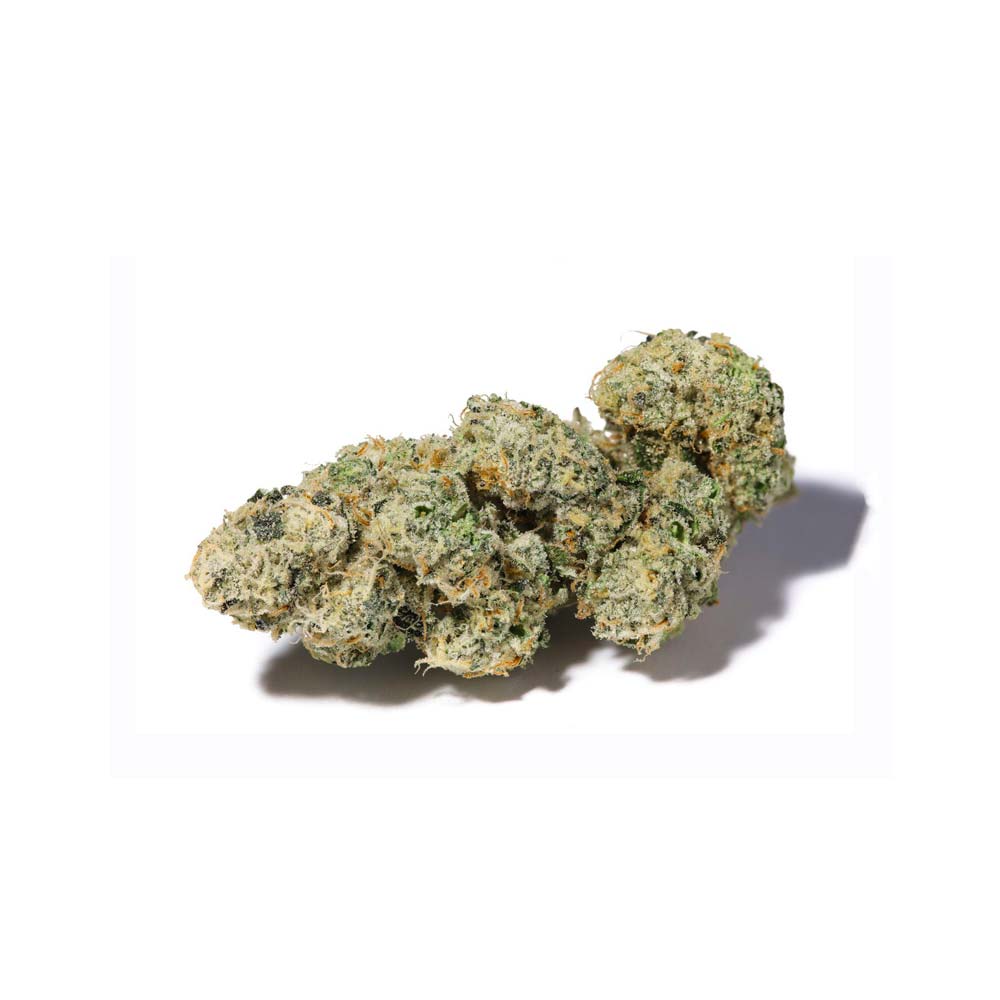
How to Make Cannabis Oil UK – Legal CBD Oil Recipe
How to Make Cannabis Oil UK: Legal CBD Oil Recipe and Production Guide
Cannabis oil production has become increasingly popular across the UK, particularly following the legalisation of medical cannabis in 2018. With growing interest in CBD products, many people are asking how to make cannabis oil at home legally. This comprehensive guide explains the legal landscape, safe extraction methods, and everything you need to know about producing cannabis oil in the United Kingdom.
Understanding the Legal Status of Cannabis Oil in the UK
Before attempting to make cannabis oil at home, it’s crucial to understand the UK’s legal framework. Cannabis remains a controlled substance under the Misuse of Drugs Act 1971, but CBD products derived from cannabis are legal in the UK provided they contain less than 0.2% THC (tetrahydrocannabinol) by dry weight.
According to the Food Standards Agency, there are approximately 1.5 million CBD users in the UK. However, the distinction between legal CBD oil and illegal cannabis oil is paramount. Legal cannabis oil must be derived from hemp plants and contain negligible amounts of THC to avoid legal complications.
Medical cannabis prescriptions are available through the NHS, though access remains restricted. Private clinics can prescribe cannabis-derived medicinal products for specific conditions including epilepsy, chemotherapy-related nausea, and multiple sclerosis symptoms.
There are several methods for extracting cannabis oil, each with varying levels of safety and efficiency. The most common approaches used by UK producers include:
CO2 Extraction
Carbon dioxide extraction is considered the gold standard in the cannabis industry. This method uses pressurised CO2 to extract cannabinoids and terpenes whilst leaving contaminants behind. The process is highly efficient, producing oil with minimal residual solvents. However, it requires specialist equipment costing thousands of pounds, making it impractical for home use.
Alcohol-Based Extraction
Using food-grade ethanol or isopropyl alcohol is a more accessible extraction method for home producers. This solvent-based approach effectively dissolves cannabinoids from plant material. The process involves soaking dried hemp or cannabis flowers in alcohol, filtering the liquid, and allowing the alcohol to evaporate, leaving concentrated oil behind.
Olive Oil Infusion
The simplest and safest method for beginners is olive oil infusion. This decarboxylation-based technique requires minimal equipment and no chemical solvents, making it ideal for legal CBD production at home.
How to Make Cannabis Oil UK: The Olive Oil Method
Equipment Required:
Dried cannabis flower or hemp material (legally sourced)
High-quality extra virgin olive oil
Oven
Baking tray
Cheesecloth or fine mesh strainer
Glass jars
Thermometer
Slow cooker (optional)
Step 1: Decarboxylation
Decarboxylation is essential for activating cannabinoids. Preheat your oven to 110°C and spread your dried cannabis material evenly on a baking tray. Heat for approximately 30-40 minutes, stirring occasionally. This process converts CBDA to CBD and THCA to THC, making cannabinoids bioavailable.
Step 2: Combine with Olive Oil
Place your decarboxylated material into a glass jar and cover completely with olive oil, using a ratio of approximately 1 part cannabis to 3 parts oil. Seal the jar securely.
Step 3: Gentle Heating
Place the sealed jar in a slow cooker filled with water, maintaining a temperature between 65-75°C for 4-6 hours. Alternatively, use a water bath method on your stovetop, ensuring the temperature never exceeds 80°C as excessive heat degrades cannabinoids. Stir occasionally.
Step 4: Filtration
Allow the mixture to cool completely, then strain through cheesecloth or fine mesh into clean glass bottles. Squeeze the cloth gently to extract remaining oil, but avoid pressing plant material through the filter.
Step 5: Storage
Store your finished cannabis oil in dark glass bottles away from direct sunlight. Keep in a cool location or refrigerate for extended shelf life, typically 6-12 months.
Sourcing Legal Cannabis Material in the UK
Legal cannabis oil production begins with legally sourced material. Purchase hemp or cannabis flowers from registered UK suppliers holding appropriate licenses from the Home Office. Many reputable online retailers sell legal hemp flowers with certificates of analysis confirming THC content below 0.2%.
Never attempt to extract oil from illegally grown cannabis, as this violates the Misuse of Drugs Act. Possession of controlled cannabis without proper licensing remains a serious criminal offence in the UK.
Testing and Quality Assurance
Professional laboratories in the UK offer cannabinoid testing services. Testing your homemade cannabis oil determines THC and CBD concentrations, ensuring legal compliance and product efficacy. Third-party lab testing costs typically range from £50-150 per sample.
Safety Considerations and Legal Responsibilities
When making cannabis oil at home, prioritise safety and legality. Never use flammable solvents without proper ventilation and safety equipment. Keep cannabis products away from children and pets. Label all containers clearly with contents, dates, and cannabinoid ratios.
Remember that whilst CBD oil is legal, selling homemade cannabis products without appropriate licensing violates UK regulations. Personal production for self-consumption remains a legal grey area, so exercise caution.
Conclusion
Learning how to make cannabis oil UK-style requires understanding legal requirements, selecting appropriate extraction methods, and prioritising safety. The olive oil infusion method offers the most practical approach for home producers seeking legal CBD oil. Always source materials legally, test your final product when possible, and respect UK cannabis legislation throughout the production process.
Medical Disclaimer: The information on this page is for educational purposes only and does not constitute medical advice. Always consult a licensed healthcare professional before starting any new treatment.
https://cannazen.co.uk/wp-content/uploads/2026/01/cosmic-mac-cannabis-doctor-prescription-pharmacy-shop-blute.jpg10001000CannaZen UK Editorial Teamhttps://cannazen.co.uk/wp-content/uploads/2026/01/cannazen-shop-lieferung-cannabis-weed-hemp-online.svgCannaZen UK Editorial Team2026-05-14 20:42:172026-05-23 10:53:39How to Make Cannabis Oil UK – Legal CBD Oil Recipe
We may request cookies to be set on your device. We use cookies to let us know when you visit our websites, how you interact with us, to enrich your user experience, and to customize your relationship with our website.
Click on the different category headings to find out more. You can also change some of your preferences. Note that blocking some types of cookies may impact your experience on our websites and the services we are able to offer.
Essential Website Cookies
These cookies are strictly necessary to provide you with services available through our website and to use some of its features.
Because these cookies are strictly necessary to deliver the website, refusing them will have impact how our site functions. You always can block or delete cookies by changing your browser settings and force blocking all cookies on this website. But this will always prompt you to accept/refuse cookies when revisiting our site.
We fully respect if you want to refuse cookies but to avoid asking you again and again kindly allow us to store a cookie for that. You are free to opt out any time or opt in for other cookies to get a better experience. If you refuse cookies we will remove all set cookies in our domain.
We provide you with a list of stored cookies on your computer in our domain so you can check what we stored. Due to security reasons we are not able to show or modify cookies from other domains. You can check these in your browser security settings.
Google Analytics Cookies
These cookies collect information that is used either in aggregate form to help us understand how our website is being used or how effective our marketing campaigns are, or to help us customize our website and application for you in order to enhance your experience.
If you do not want that we track your visit to our site you can disable tracking in your browser here:
Other external services
We also use different external services like Google Webfonts, Google Maps, and external Video providers. Since these providers may collect personal data like your IP address we allow you to block them here. Please be aware that this might heavily reduce the functionality and appearance of our site. Changes will take effect once you reload the page.
Google Webfont Settings:
Google Map Settings:
Google reCaptcha Settings:
Vimeo and Youtube video embeds:
Other cookies
The following cookies are also needed - You can choose if you want to allow them:
Privacy Policy
You can read about our cookies and privacy settings in detail on our Privacy Policy Page.