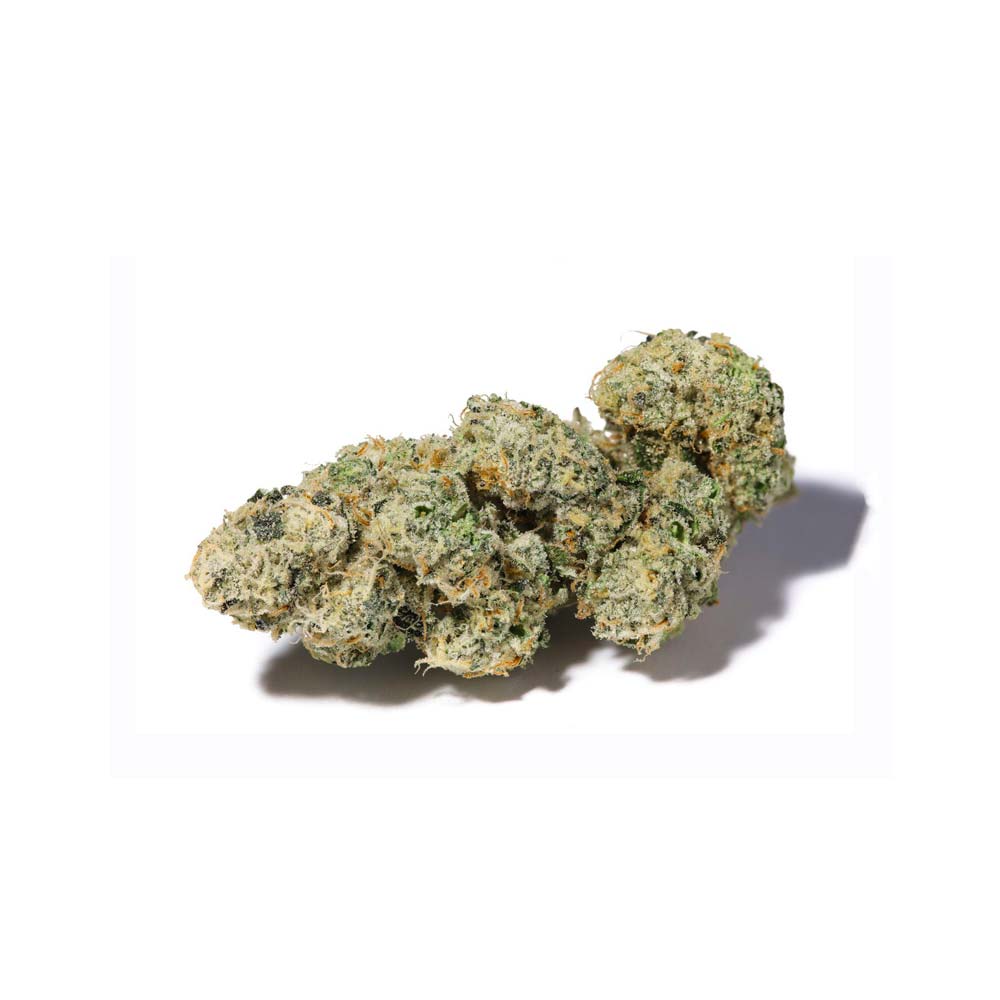
A Certificate of Analysis (COA) is a laboratory report that documents the chemical composition and safety profile of cannabis products. In the UK, understanding how to read a COA is essential for consumers, particularly those purchasing CBD products or medical cannabis. This guide explains the key sections of a COA and what results indicate quality and safety.
What is a Certificate of Analysis?
A COA is an independent laboratory report that verifies the contents and safety of a cannabis product. Reputable UK suppliers should provide COAs from accredited third-party laboratories. The report tests for cannabinoid potency, terpene profiles, and potential contaminants including pesticides, heavy metals, and microbial pathogens.
UK Legal Note: Products sold in the UK must comply with the Misuse of Drugs Act 1971. CBD products should contain less than 0.2% THC by law. Always verify that a COA confirms compliance with UK regulations.
The cannabinoid section of a COA typically displays two types of measurements: total cannabinoids and decarboxylated cannabinoids.
What to Look For
Cannabinoid
Purpose
What’s Acceptable
CBD (Cannabidiol)
Anti-inflammatory, therapeutic properties
Varies by product; should match label claims
THC (Tetrahydrocannabinol)
Psychoactive compound
UK: <0.2% for legal products
CBG (Cannabigerol)
Potential neuroprotective benefits
Variable; trace to several percent
CBN (Cannabinol)
Sedative properties
Variable; typically <1%
? Good Sign: The COA shows cannabinoid percentages that match or exceed the product’s label claims. For CBD products, THC is undetectable or far below 0.2%.
? Red Flag: Cannabinoid levels significantly lower than advertised, or a UK product showing THC above 0.2%. If a CBD product contains more THC than advertised, it may be mislabelled or contaminated.
Decarboxylation: A heating process that converts CBDA to CBD. Look for both CBDA and CBD listed to understand the full picture.
Interpreting Terpene Profiles
Terpenes are aromatic compounds that give cannabis its flavour and aroma. They also contribute to the product’s effects through the “entourage effect.” A comprehensive COA should list major terpenes and their percentages.
Common Terpenes and Their Characteristics
Terpene
Aroma
Potential Effects
Myrcene
Earthy, herbal
Relaxing, sedative
Limonene
Citrus
Uplifting, mood-enhancing
Pinene
Pine, woody
Alertness, memory support
Caryophyllene
Spicy, pepper
Anti-inflammatory
Linalool
Floral, lavender
Relaxing, anxiolytic
? Good Sign: The COA lists specific terpene percentages with a total terpene content typically ranging from 1-3%. This indicates a full-spectrum product with preserved plant compounds.
? Red Flag: No terpene profile listed, or a product claiming to be full-spectrum with zero terpenes. Conversely, terpene percentages that total implausibly high amounts (above 5%) may indicate added terpenes rather than naturally-preserved ones.
Contaminant Testing: Pesticides and Residual Solvents
One of the most critical aspects of a COA is contaminant testing. This section verifies that the product is safe for consumption and free from harmful chemicals.
Pesticide Testing
UK laboratories test for common agricultural pesticides. Results should show “Not Detected” or values below established limits for all tested pesticides.
? Red Flag: Any detected pesticides, particularly synthetic pesticides like pyrethroids or neonicotinoids. Even trace amounts warrant caution. If a COA doesn’t list pesticide testing at all, this is a major concern.
Residual Solvents
Extraction processes may leave solvent residues. The COA should confirm that residual solvent levels meet safety thresholds.
Solvent
Maximum Safe Level (ppm)
Health Concern
Ethanol
<5000
Generally safe in small amounts
Butane
<5000
Carcinogenic at high levels
Propane
<5000
Respiratory irritant
Heavy Metals Testing
Cannabis plants absorb heavy metals from soil, including lead, cadmium, arsenic, and mercury. A quality COA includes heavy metals testing with results below safety limits.
Safe Heavy Metal Limits (UK guidelines)
Lead: <2 ppm
Cadmium: <0.2 ppm
Arsenic: <0.1 ppm
Mercury: <0.1 ppm
? Red Flag: Any detected heavy metals, particularly at levels approaching or exceeding these limits. Heavy metal accumulation poses serious long-term health risks.
Microbial and Pathogen Testing
Microbial testing identifies harmful bacteria, moulds, and fungi that could cause infection or illness.
Key Pathogens Tested
E. coli: Should be absent
Salmonella: Should be absent
Total aerobic bacteria: <100,000 CFU/g
Total moulds and yeasts: <10,000 CFU/g
Aspergillus: Should be absent or undetectable
? Red Flag: Any detected pathogens or bacterial counts exceeding acceptable thresholds. This indicates improper growing, handling, or storage conditions.
Reading Dates and Laboratory Credentials
Always check the testing date. Cannabis degrades over time; a COA from 18 months ago may not reflect the current product’s composition. Verify that the laboratory is accredited through recognised bodies such as ISO/IEC 17025.
COA Verification Checklist
? COA is dated within the last 6 months
? Laboratory is ISO/IEC 17025 accredited
? Laboratory is independent (not owned by the supplier)
? Product batch number matches your purchase
? Cannabinoid results match product label claims (within ±10%)
Inconsistent batch numbers between COA and product
Missing entire testing sections (pesticides, heavy metals, microbial)
Final Recommendations
Always request a COA before purchasing cannabis products in the UK. Cross-reference the laboratory’s name with the UK’s list of accredited testing facilities. If a supplier cannot or will not provide a COA, avoid the product. Reading a COA may seem technical, but understanding these documents protects your health and ensures you’re purchasing a quality, compliant product.
Medical Disclaimer: The information on this page is for educational purposes only and does not constitute medical advice. Always consult a licensed healthcare professional before starting any new treatment.
https://cannazen.co.uk/wp-content/uploads/2026/01/cosmic-mac-cannabis-doctor-prescription-pharmacy-shop-blute.jpg10001000CannaZen UK Editorial Teamhttps://cannazen.co.uk/wp-content/uploads/2026/01/cannazen-shop-lieferung-cannabis-weed-hemp-online.svgCannaZen UK Editorial Team2026-05-14 20:36:412026-05-23 10:53:39How to Read a Cannabis Lab Report UK (COA Guide)
We may request cookies to be set on your device. We use cookies to let us know when you visit our websites, how you interact with us, to enrich your user experience, and to customize your relationship with our website.
Click on the different category headings to find out more. You can also change some of your preferences. Note that blocking some types of cookies may impact your experience on our websites and the services we are able to offer.
Essential Website Cookies
These cookies are strictly necessary to provide you with services available through our website and to use some of its features.
Because these cookies are strictly necessary to deliver the website, refusing them will have impact how our site functions. You always can block or delete cookies by changing your browser settings and force blocking all cookies on this website. But this will always prompt you to accept/refuse cookies when revisiting our site.
We fully respect if you want to refuse cookies but to avoid asking you again and again kindly allow us to store a cookie for that. You are free to opt out any time or opt in for other cookies to get a better experience. If you refuse cookies we will remove all set cookies in our domain.
We provide you with a list of stored cookies on your computer in our domain so you can check what we stored. Due to security reasons we are not able to show or modify cookies from other domains. You can check these in your browser security settings.
Google Analytics Cookies
These cookies collect information that is used either in aggregate form to help us understand how our website is being used or how effective our marketing campaigns are, or to help us customize our website and application for you in order to enhance your experience.
If you do not want that we track your visit to our site you can disable tracking in your browser here:
Other external services
We also use different external services like Google Webfonts, Google Maps, and external Video providers. Since these providers may collect personal data like your IP address we allow you to block them here. Please be aware that this might heavily reduce the functionality and appearance of our site. Changes will take effect once you reload the page.
Google Webfont Settings:
Google Map Settings:
Google reCaptcha Settings:
Vimeo and Youtube video embeds:
Other cookies
The following cookies are also needed - You can choose if you want to allow them:
Privacy Policy
You can read about our cookies and privacy settings in detail on our Privacy Policy Page.