Medical Cannabis for IBS in the UK: A Comprehensive Guide
Introduction
Irritable Bowel Syndrome (IBS) affects approximately 10-15% of the UK population, causing abdominal pain, irregular bowel movements, and significant quality-of-life impacts. Whilst conventional treatments help many patients, some experience persistent symptoms and side effects. Medical cannabis has emerged as a potential therapeutic option, following its legalisation for medical use in the UK in 2018. This guide explores the current evidence, available strains, access routes, costs, and real patient experiences.
Research into cannabis and IBS remains limited but promising. The endocannabinoid system plays a crucial role in regulating gastrointestinal function, appetite, and pain perception. Several mechanisms suggest cannabis may benefit IBS patients:
Pain relief: Cannabis has analgesic properties that may reduce visceral pain associated with IBS
Anti-inflammatory effects: Cannabinoids possess anti-inflammatory properties potentially beneficial for gut inflammation
Gut motility regulation: Cannabis may help normalise abnormal intestinal contractions
A 2020 survey published in the Journal of Cannabis Research found 72% of IBS patients using cannabis reported symptom improvement, with 95% reporting it was beneficial. However, most clinical trials remain small-scale. The NHS acknowledges insufficient evidence for routine recommendation, though specialist clinics increasingly prescribe medical cannabis for IBS when conventional treatments fail.
Key Point: Whilst patient-reported outcomes are encouraging, robust randomised controlled trials specifically for IBS are lacking. Evidence remains strongest for cannabis-related pain and anxiety relief rather than IBS-specific benefits.
Recommended Strains and Cannabinoid Profiles
Medical cannabis products available in the UK typically contain defined CBD and THC ratios. For IBS, specialists often recommend:
High-CBD, Low-THC Products (20:1 CBD:THC ratio)
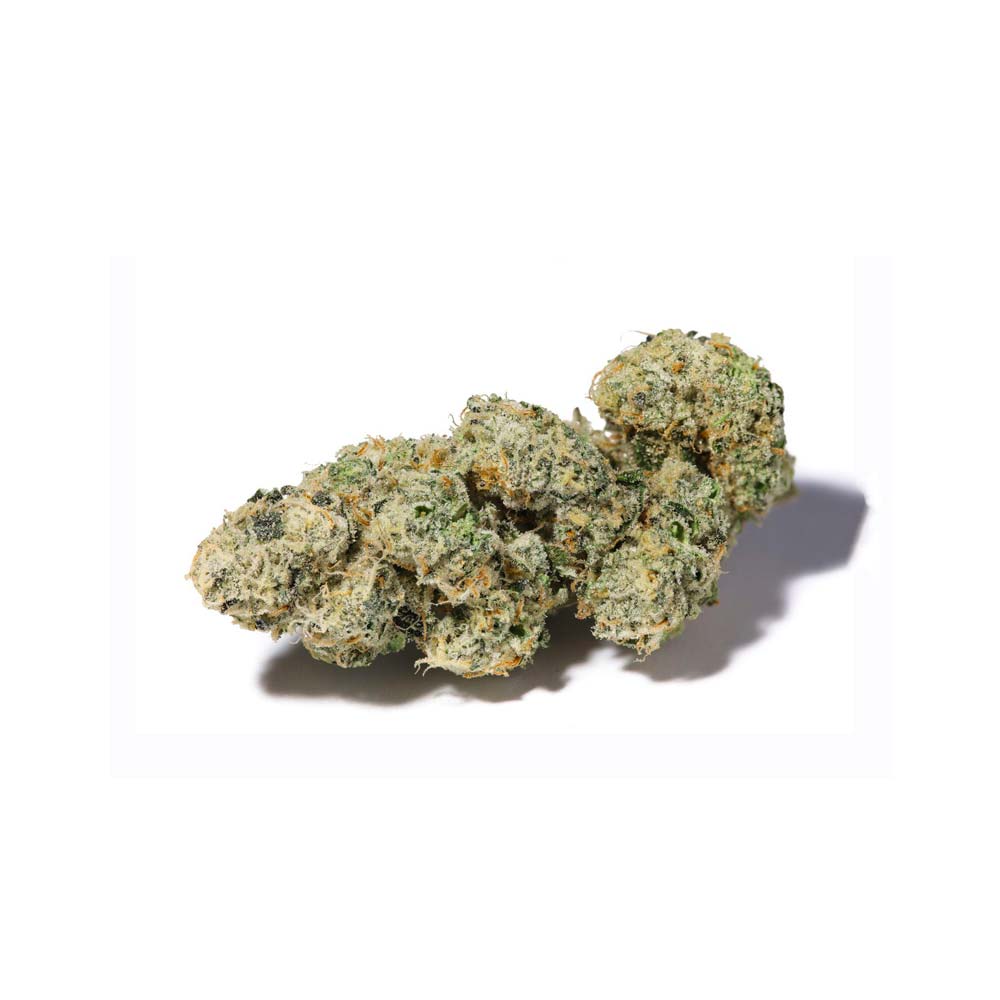
Examples: Bediol, Pedanios, CBD-dominant flower. Best for patients seeking anti-inflammatory and pain relief without psychoactive effects. Minimal cognitive side effects.
Balanced CBD:THC Products (1:1 ratio)
Examples: Balanced flower strains, Nabiximols (Sativex). Provide combined benefits of both cannabinoids. Suitable for moderate symptoms and patients with anxiety components.
CBD-Isolate Products
Pure CBD oils and capsules (e.g., Epidiolex). Particularly useful for anxiety-driven IBS without THC exposure. Non-intoxicating and workplace-compatible.
Dosing typically begins low (5-10mg daily) and titrates gradually based on symptom response and tolerability. Most IBS patients find effective doses between 15-50mg daily, split across morning and evening.
Accessing Medical Cannabis in the UK
Private Specialist Clinics
The primary access route for medical cannabis in the UK is through private clinics. Established providers include:
Integro Medical: Experienced in chronic pain and GI conditions
Sapphire Medical Clinics: Large network with gastroenterology specialists
Cannabis Access Clinics: Specialises in evidence-based prescribing
Curaleaf UK: One of the largest licensed producers and clinics
The consultation process involves detailed medical history review, symptom assessment, and discussion of potential benefits and risks. Initial consultations typically last 45-60 minutes.
NHS Access
NHS prescriptions for medical cannabis are exceptionally rare. Whilst theoretically possible through specialist gastroenterology services, this requires consultant recommendation and NHS trust approval. In practice, fewer than 200 NHS prescriptions for medical cannabis exist across the entire UK.
Prescription and Supply
Once prescribed by a registered clinician, prescriptions are dispensed through licensed pharmacies. Products are GMP-certified (Good Manufacturing Practice) and quality-controlled, unlike unregulated cannabis sources.
Costs and Financial Considerations
Service Element
Typical Cost
Initial Consultation
£150-£300
Follow-up Consultations (3-6 monthly)
£75-£150
Medical Cannabis Flower (10g)
£50-£80
CBD Oil (10ml bottle)
£40-£100
Monthly Treatment Cost
£150-£300
Medical cannabis is not funded by NHS prescriptions. Annual costs range from £2,000-£4,000 depending on product type and dosage requirements. Some patients find costs decrease over time as optimum dosing is established, potentially reducing to £100-£150 monthly for maintenance.
No private health insurance in the UK covers medical cannabis. Costs must be met privately. However, some patients qualify for financial hardship schemes offered by certain clinics.
Patient Experiences and Outcomes
Real-world feedback from UK-based IBS patients using medical cannabis reveals:
Sarah, aged 34 (Bristol): “After 8 years of IBS and multiple medications, I was sceptical about cannabis. Within two weeks of starting a CBD-dominant product, my daily pain reduced dramatically. I’m not pain-free, but I’ve reclaimed my life. The biggest change is psychological relief—knowing I have something that works.”
James, aged 48 (Manchester): “The cost is significant, but I’ve calculated I spent more annually on GP visits, tests, and alternative therapies. Balanced THC:CBD products work best for my bowel frequency and cramping. Main side effect is mild drowsiness, managed by taking evening doses.”
Emma, aged 28 (London): “Pure CBD oil didn’t help as much as I’d hoped. Added a low-THC flower product based on my clinic’s recommendation, and that’s been transformative. Everyone’s response differs—persistence with the right product is key.”
Common reported benefits include:
Reduced abdominal pain (reported by 65-75% of users)
Improved bowel regularity (50-60% of users)
Decreased anxiety and stress responses (70-80% of users)
Better sleep quality (60% of users)
Enhanced overall quality of life
Side effects are generally mild and manageable, including dry mouth, mild dizziness, and appetite changes. Severe adverse events are rare in supervised clinical settings.
Legal and Safety Considerations
Medical cannabis legally prescribed in the UK is fully legal to possess and use. However, several important points warrant attention:
Only use products from licensed clinics and pharmacies—unregulated sources lack quality assurance
Do not drive or operate machinery whilst on THC-containing products
Inform your GP of medical cannabis use for medical records integration
Avoid cannabis if pregnant, breastfeeding, or with personal/family history of psychosis
Regular clinic reviews ensure continued appropriateness and safety
Conclusion
Medical cannabis represents a potentially valuable option for IBS patients failing conventional treatment. Whilst robust clinical evidence remains limited, patient outcomes and mechanistic rationale are compelling. Access through private clinics is increasingly straightforward, though costs require careful consideration. Success depends on finding the appropriate cannabinoid profile through professional guidance. For those seeking alternative IBS management, consulting a specialist in medical cannabis offers a structured, regulated pathway to exploring this emerging therapy.
Medical Disclaimer: The information on this page is for educational purposes only and does not constitute medical advice. Always consult a licensed healthcare professional before starting any new treatment.
https://cannazen.co.uk/wp-content/uploads/2026/01/cosmic-mac-cannabis-doctor-prescription-pharmacy-shop-blute.jpg10001000CannaZen UK Editorial Teamhttps://cannazen.co.uk/wp-content/uploads/2026/01/cannazen-shop-lieferung-cannabis-weed-hemp-online.svgCannaZen UK Editorial Team2026-05-14 20:36:122026-05-23 10:53:39IBS and Medical Cannabis UK – Treatment Guide
We may request cookies to be set on your device. We use cookies to let us know when you visit our websites, how you interact with us, to enrich your user experience, and to customize your relationship with our website.
Click on the different category headings to find out more. You can also change some of your preferences. Note that blocking some types of cookies may impact your experience on our websites and the services we are able to offer.
Essential Website Cookies
These cookies are strictly necessary to provide you with services available through our website and to use some of its features.
Because these cookies are strictly necessary to deliver the website, refusing them will have impact how our site functions. You always can block or delete cookies by changing your browser settings and force blocking all cookies on this website. But this will always prompt you to accept/refuse cookies when revisiting our site.
We fully respect if you want to refuse cookies but to avoid asking you again and again kindly allow us to store a cookie for that. You are free to opt out any time or opt in for other cookies to get a better experience. If you refuse cookies we will remove all set cookies in our domain.
We provide you with a list of stored cookies on your computer in our domain so you can check what we stored. Due to security reasons we are not able to show or modify cookies from other domains. You can check these in your browser security settings.
Google Analytics Cookies
These cookies collect information that is used either in aggregate form to help us understand how our website is being used or how effective our marketing campaigns are, or to help us customize our website and application for you in order to enhance your experience.
If you do not want that we track your visit to our site you can disable tracking in your browser here:
Other external services
We also use different external services like Google Webfonts, Google Maps, and external Video providers. Since these providers may collect personal data like your IP address we allow you to block them here. Please be aware that this might heavily reduce the functionality and appearance of our site. Changes will take effect once you reload the page.
Google Webfont Settings:
Google Map Settings:
Google reCaptcha Settings:
Vimeo and Youtube video embeds:
Other cookies
The following cookies are also needed - You can choose if you want to allow them:
Privacy Policy
You can read about our cookies and privacy settings in detail on our Privacy Policy Page.