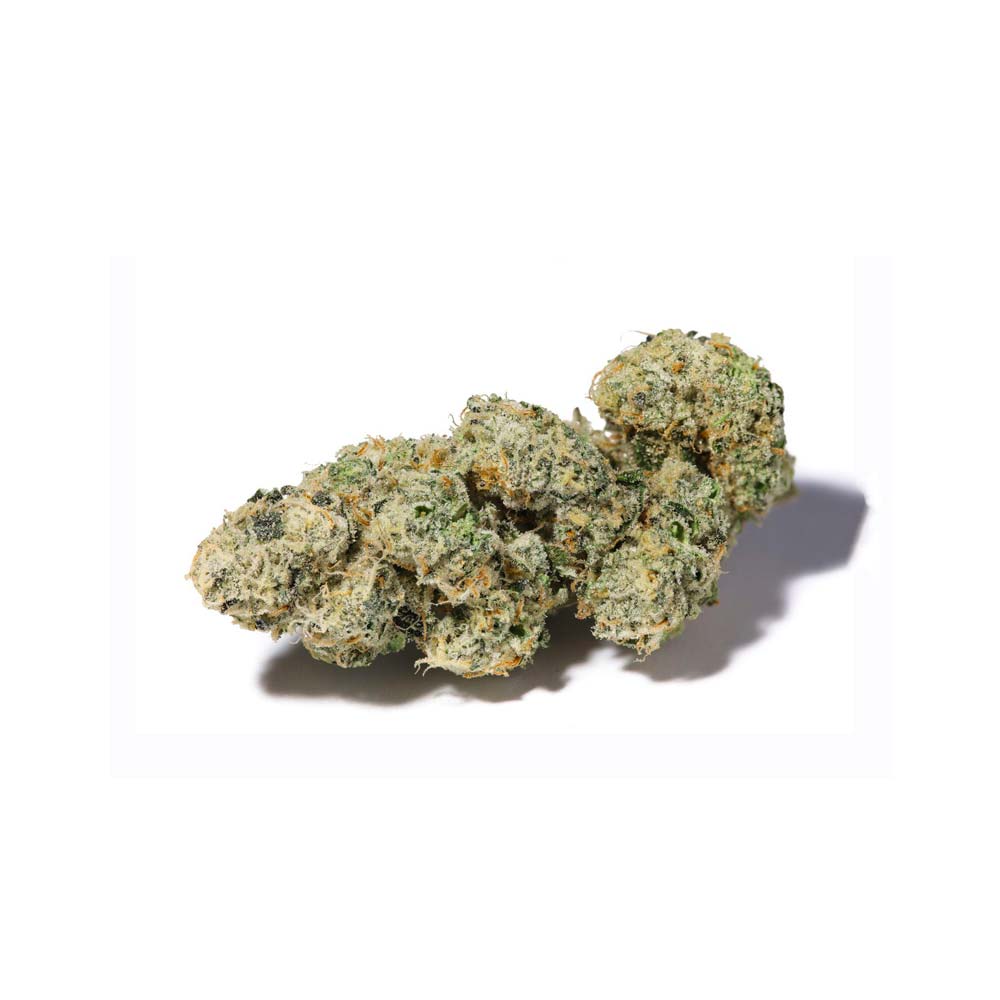
Hash Plant is a distinguished Indica-dominant hybrid with a rich breeding history rooted in European cannabis cultivation. The strain was originally developed by Nirvana Seeds, combining a predominantly Indica genetic base with selective breeding to enhance resin production and potency.
The Hash Plant strain descended from crossing Afghani Indica genetics with carefully selected phenotypes, resulting in a plant renowned for its exceptional trichome density and hashish-making properties. This lineage explains the strain’s characteristic heavy resin coating and strong Indica effects that dominate its profile.
The strain’s name directly reflects its purpose: plants produce such abundant resin that they were traditionally favoured for hash production in cultivation circles. This genetic predisposition makes Hash Plant distinctive among commercial Indica strains available in the UK medical cannabis market.
Hash Plant typically presents moderate to high THC concentrations, generally ranging between 16% and 22% depending on cultivation conditions and phenotype selection. This potency level positions it as a moderately strong strain suitable for experienced users rather than beginners.
CBD content in Hash Plant remains minimal, usually measuring below 1%. This low cannabidiol presence means the strain’s therapeutic potential relies primarily on THC interactions rather than CBD’s non-psychoactive benefits. For patients seeking balanced cannabinoid profiles, Hash Plant may not be optimal, though its potent THC offers specific therapeutic applications.
The cannabinoid ratio emphasises psychoactive effects over medical non-intoxicating properties, making Hash Plant particularly suited for users prioritising symptom relief through THC-based mechanisms rather than CBD-dominant outcomes.
Effects Profile of Hash Plant Strain
Hash Plant delivers a robust Indica experience characterised by deep physical relaxation and sedative properties. Users can expect:
Profound bodily relaxation and muscle tension relief
Sedative effects suitable for evening and nighttime consumption
Mental euphoria and mood elevation
Reduced anxiety and stress without excessive cerebral stimulation
The effect onset typically occurs within 10-20 minutes of consumption, with peak effects lasting 2-4 hours depending on individual metabolism and consumption method.
Terpene Profile and Aromatic Compounds
Hash Plant’s terpene profile contributes significantly to its distinctive character and therapeutic potential. The strain exhibits elevated levels of several important terpenes:
Myrcene dominates the terpene composition, enhancing the strain’s sedative properties and contributing earthy undertones. This abundant terpene supports the physical relaxation characteristic of Hash Plant’s effects.
Caryophyllene provides peppery and spicy notes whilst offering anti-inflammatory properties, complementing the strain’s pain-relief applications.
Humulene adds woody, hoppy aromatics and may contribute anti-inflammatory and appetite-suppressing properties, though myrcene’s appetite stimulation typically dominates overall.
Limonene appears in smaller quantities, contributing subtle citrus undertones and mood-lifting potential.
Together, these terpenes create an entourage effect that amplifies Hash Plant’s therapeutic applications beyond THC alone.
Flavour and Aroma Characteristics
Hash Plant delivers a complex sensory experience combining earthy, spicy, and herbal notes. The primary aroma profile presents strong earthiness reminiscent of aged hash and soil-based cultivation, which inspired the strain’s nomenclature.
Secondary flavour notes include subtle spiciness derived from caryophyllene, woody undertones from humulene, and occasional hints of pine and herb. Some phenotypes express slight sweetness balanced against the dominant savoury character.
The flavour when consumed closely mirrors the aroma—earthy and robust with peppery finish. Vaporisation tends to emphasise the herbal sweetness, whilst smoking accentuates the hashish-like, peppery characteristics. The taste remains consistent across consumption methods, though intensity varies.
Users typically describe Hash Plant as having an authentic, old-school cannabis flavour profile without artificial sweetness or fruity overtones, reflecting its traditional breeding approach.
Medicinal Uses and Therapeutic Applications
Hash Plant has gained recognition within UK medical cannabis communities for specific therapeutic applications, particularly where THC-dominant strains benefit patients:
Chronic Pain Management: The strain’s potent THC and caryophyllene content provide analgesic effects suitable for managing persistent pain conditions, neuropathic pain, and musculoskeletal discomfort.
Sleep Disorders: Hash Plant’s sedative Indica effects prove effective for insomnia, sleep onset difficulties, and maintaining sleep quality throughout the night.
Anxiety and Stress: The relaxing properties help reduce anxiety symptoms without excessive mental stimulation, making evening use particularly suitable.
Appetite Stimulation: Beneficial for patients experiencing appetite loss from chemotherapy, HIV, or other conditions.
Muscle Tension and Spasticity: Physical relaxation properties address muscle tension, spasms, and spasticity-related conditions.
Inflammation: Caryophyllene and other terpenes contribute anti-inflammatory benefits relevant for inflammatory conditions.
Hash Plant Strain UK Medical Cannabis Availability
Hash Plant availability through UK legal medical cannabis channels remains limited. The UK’s medical cannabis framework, regulated by the MHRA and Home Office, restricts prescription access to specific licensed products. Traditional Hash Plant cultivars are not currently widely available through NHS prescriptions or private medical best UK cannabis clinics.
Authorised medical cannabis products available in the UK include specific pharmaceutical formulations rather than whole-flower Hash Plant strains. Patients seeking Hash Plant’s effects must typically explore alternative approved strains or standardised medicinal cannabis products containing comparable THC/CBD profiles.
Private best UK cannabis clinics may occasionally recommend Hash Plant through specialist suppliers, though availability depends on individual clinic stock and licencing arrangements. Patients should consult registered healthcare providers to discuss suitable alternatives within legal frameworks.
The UK medical cannabis landscape continues evolving, with potential future availability of diverse strains including Hash Plant variants as regulations develop and licensed cultivation expands.
Cultivation and Growing Characteristics
Hash Plant demonstrates robust growth characteristics, making it suitable for both experienced cultivators and relative newcomers. The strain produces stocky, Indica-typical plants with dense foliage and exceptional resin production throughout flowering.
Flowering periods typically range 7-9 weeks, with plants reaching moderate heights (60-100cm indoors). The exceptional trichome production means Hash Plant yields excellent hash material—the original purpose of this strain’s development.
Conclusion
Hash Plant strain represents a classic Indica cultivar offering potent relaxation, sleep support, and pain relief through elevated THC and beneficial terpene profiles. Whilst direct UK medical availability remains limited, understanding Hash Plant’s characteristics helps patients and healthcare providers identify suitable alternatives within licensed medical cannabis frameworks.
Medical Disclaimer: The information on this page is for educational purposes only and does not constitute medical advice. Always consult a licensed healthcare professional before starting any new treatment.
We may request cookies to be set on your device. We use cookies to let us know when you visit our websites, how you interact with us, to enrich your user experience, and to customize your relationship with our website.
Click on the different category headings to find out more. You can also change some of your preferences. Note that blocking some types of cookies may impact your experience on our websites and the services we are able to offer.
Essential Website Cookies
These cookies are strictly necessary to provide you with services available through our website and to use some of its features.
Because these cookies are strictly necessary to deliver the website, refusing them will have impact how our site functions. You always can block or delete cookies by changing your browser settings and force blocking all cookies on this website. But this will always prompt you to accept/refuse cookies when revisiting our site.
We fully respect if you want to refuse cookies but to avoid asking you again and again kindly allow us to store a cookie for that. You are free to opt out any time or opt in for other cookies to get a better experience. If you refuse cookies we will remove all set cookies in our domain.
We provide you with a list of stored cookies on your computer in our domain so you can check what we stored. Due to security reasons we are not able to show or modify cookies from other domains. You can check these in your browser security settings.
Google Analytics Cookies
These cookies collect information that is used either in aggregate form to help us understand how our website is being used or how effective our marketing campaigns are, or to help us customize our website and application for you in order to enhance your experience.
If you do not want that we track your visit to our site you can disable tracking in your browser here:
Other external services
We also use different external services like Google Webfonts, Google Maps, and external Video providers. Since these providers may collect personal data like your IP address we allow you to block them here. Please be aware that this might heavily reduce the functionality and appearance of our site. Changes will take effect once you reload the page.
Google Webfont Settings:
Google Map Settings:
Google reCaptcha Settings:
Vimeo and Youtube video embeds:
Other cookies
The following cookies are also needed - You can choose if you want to allow them:
Privacy Policy
You can read about our cookies and privacy settings in detail on our Privacy Policy Page.