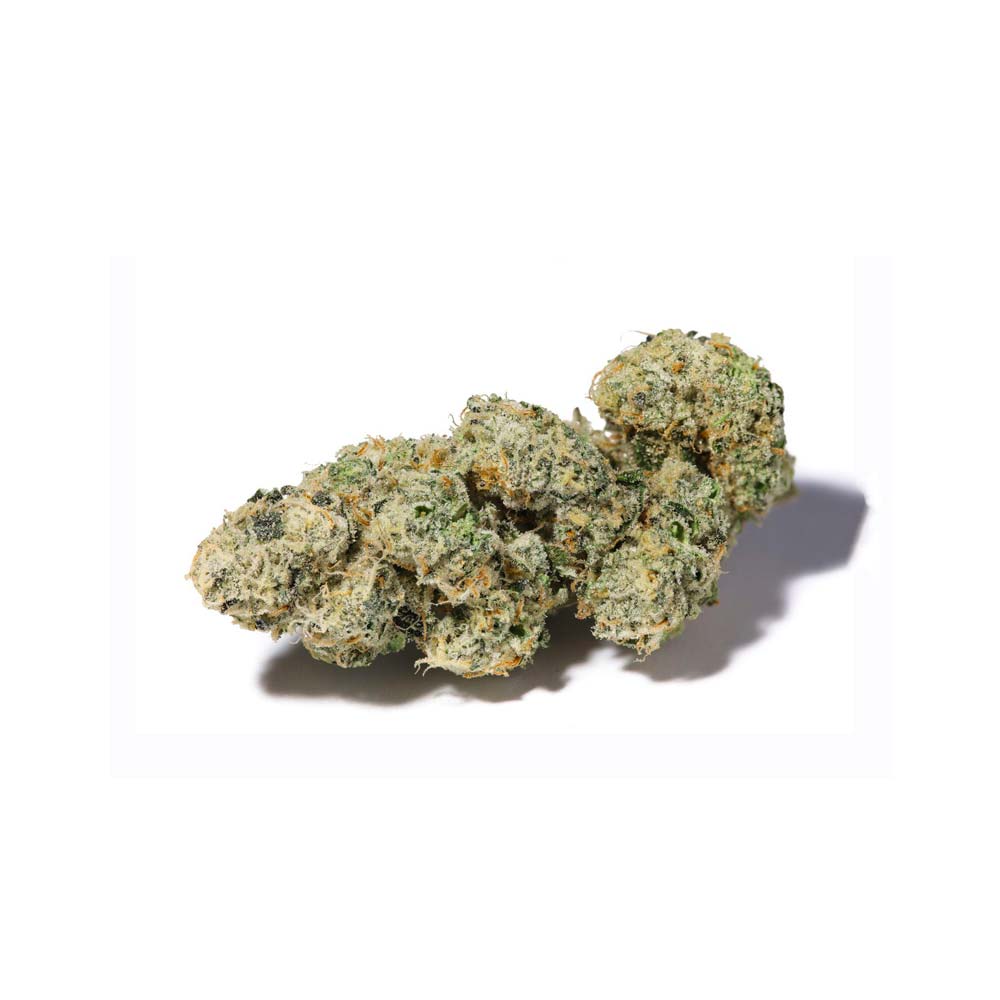
Headband Strain: Complete UK Guide to Effects, THC & Medical Use
Headband strain has become increasingly recognised in UK cannabis discussions, particularly among those interested in both recreational effects and medical applications. This comprehensive guide covers everything you need to know about this distinctive hybrid, including its genetics, cannabinoid profile, and relevance to UK medical cannabis access.
Genetics and Lineage
Headband strain is a hybrid cultivar resulting from a cross between Sour Diesel and OG Kush, two iconic cannabis strains with distinct characteristics. Some sources also cite Master Kush in its genetic lineage, though breeder records vary.
This genetic combination produces a strain that balances the energetic, cerebral effects of Sour Diesel with the relaxing body effects and potency of OG Kush. The name “Headband” derives from users’ reports of a distinctive pressure or tightness sensation around the forehead and temples—a unique sensory experience.
The strain typically expresses hybrid characteristics with slight indica dominance, making it suitable for various times of day depending on individual tolerance and consumption method.
Headband strain is known for its high THC concentration, typically ranging between 18–25% THC, with some premium specimens reaching up to 27%. CBD levels are generally minimal, usually below 1%, making it unsuitable for those seeking non-intoxicating cannabinoid-rich options.
The high THC-to-CBD ratio means this strain produces pronounced psychoactive effects and is best suited to experienced cannabis users. UK patients seeking medical cannabis should be aware that higher THC strains require careful dosing and medical supervision.
For comparison, balanced strains (1:1 THC:CBD) are often preferred by medical patients seeking therapeutic benefits with reduced intoxication.
Effects of Headband Strain
Users report a distinctive effects profile combining cerebral and physical sensations:
Euphoria: Uplifting mood enhancement and sense of wellbeing
Cerebral stimulation: Enhanced focus and creative thinking (initial onset)
Relaxation: Gradual transition to body relaxation and calm
Pressure sensation: Distinctive headband-like pressure around temples and forehead
Sociability: Many users report increased talkativeness and social comfort
Pain relief: Reported reduction in mild to moderate pain
Sedation: Possible drowsiness with higher doses or in sensitive individuals
The strain is typically classified as producing hybrid effects—beginning with sativa-like cerebral activity before transitioning toward indica-style body relaxation.
Terpene Profile
Headband strain’s distinctive effects and flavour derive from its dominant terpene profile:
Myrcene is the primary terpene, contributing earthy, herbal notes and promoting relaxation. Caryophyllene adds spicy, peppery aromatics and may possess anti-inflammatory properties. Limonene provides citrus characteristics and potentially mood-elevating effects.
Secondary terpenes including pinene (piney aroma) and humulene (woody notes) complete the profile, creating a complex and distinctive sensory experience.
This terpene combination contributes to both the unique pressure sensation (potentially related to caryophyllene’s pharmacological properties) and the therapeutic potential often reported by medical users.
Flavour and Aroma
Headband strain delivers a complex sensory profile appealing to flavour-conscious consumers:
The aroma is notably pungent, combining diesel fuel notes (from Sour Diesel parentage) with earthy, herbal undertones and subtle citrus hints. Some describe a faint sweetness layering beneath the dominant diesel character.
The flavour when smoked or vaporised typically presents as diesel-forward initially, transitioning to earthy, peppery notes with finishing hints of citrus and subtle sweetness. The smoke is generally smooth but can be somewhat harsh, particularly when combusted rather than vaporised.
Vaporisation at 190–200°C tends to reveal more of the strain’s citrus and sweet characteristics whilst reducing harshness.
Medicinal Uses and Therapeutic Potential
Within the UK medical cannabis context, Headband strain has been associated with several therapeutic applications, though robust clinical evidence remains limited:
Chronic pain management: Users report effectiveness for mild to moderate pain, particularly neuropathic pain. The combination of THC’s analgesic properties and caryophyllene’s anti-inflammatory effects may contribute.
Depression and mood disorders: The euphoric effects and potential mood enhancement may benefit some patients with depression, though careful monitoring is essential given THC’s variable psychiatric effects.
Stress and anxiety: Initial cerebral stimulation may provide mental relief, though high-THC strains can paradoxically worsen anxiety in sensitive individuals. Lower doses or balanced strains are typically preferable for anxiety management.
Appetite stimulation: Particularly relevant for patients undergoing chemotherapy or experiencing appetite loss related to chronic illness.
Sleep disturbances: The sedative potential at higher doses may benefit insomnia, though regular use can affect sleep architecture.
Important note: these therapeutic applications represent user reports rather than validated clinical outcomes. UK patients should consult their GP or specialist before using any cannabis product medicinally.
Headband Strain in UK Medical Cannabis
Under current UK regulations, cannabis-based medicinal products (CBMPs) are available through NHS prescription for specific conditions including multiple sclerosis spasticity, chemotherapy-related nausea, and refractory epilepsy in children.
Headband strain specifically is not routinely available through the NHS. Patients accessing cannabis through private UK clinics may encounter Headband as an option, typically in the form of dried flower or oil products. Such clinics operate within the legal framework allowing specialist doctors to prescribe cannabis products.
The Home Office may grant licenses for patients requiring specific strains unavailable through standard channels, though applications require medical justification and specialist support.
For UK patients interested in Headband’s characteristics, discussing high-THC hybrid strains with medical professionals remains the appropriate route, particularly regarding suitability, dosing, and interaction monitoring.
Growing and Availability
Whilst cultivation for personal use remains illegal in the UK, Headband seeds and genetics are widely available internationally. The strain has maintained moderate popularity within home-growing communities in jurisdictions where cultivation is legal.
UK consumers cannot legally cultivate Headband or access it through recreational channels. Medical access remains the only legal route, available through registered clinics or specialist NHS services.
Summary
Headband strain represents a potent hybrid combining Sour Diesel and OG Kush genetics into a distinctive product offering notable cerebral and physical effects. With THC levels typically 18–25%, it suits experienced users rather than beginners.
Medically, the strain has been associated with pain relief, mood elevation, and appetite stimulation, though clinical evidence remains limited. Within the UK legal framework, medical access through registered clinics represents the only lawful route.
As with all high-THC cannabis products, responsible use, proper dosing, and medical consultation remain essential, particularly for those with mental health vulnerabilities or concurrent medications.
Medical Disclaimer: The information on this page is for educational purposes only and does not constitute medical advice. Always consult a licensed healthcare professional before starting any new treatment.
https://cannazen.co.uk/wp-content/uploads/2026/01/cosmic-mac-cannabis-doctor-prescription-pharmacy-shop-blute.jpg10001000CannaZen UK Editorial Teamhttps://cannazen.co.uk/wp-content/uploads/2026/01/cannazen-shop-lieferung-cannabis-weed-hemp-online.svgCannaZen UK Editorial Team2026-05-14 20:25:102026-05-23 10:41:17Headband Strain — Effects, THC, UK Medical
We may request cookies to be set on your device. We use cookies to let us know when you visit our websites, how you interact with us, to enrich your user experience, and to customize your relationship with our website.
Click on the different category headings to find out more. You can also change some of your preferences. Note that blocking some types of cookies may impact your experience on our websites and the services we are able to offer.
Essential Website Cookies
These cookies are strictly necessary to provide you with services available through our website and to use some of its features.
Because these cookies are strictly necessary to deliver the website, refusing them will have impact how our site functions. You always can block or delete cookies by changing your browser settings and force blocking all cookies on this website. But this will always prompt you to accept/refuse cookies when revisiting our site.
We fully respect if you want to refuse cookies but to avoid asking you again and again kindly allow us to store a cookie for that. You are free to opt out any time or opt in for other cookies to get a better experience. If you refuse cookies we will remove all set cookies in our domain.
We provide you with a list of stored cookies on your computer in our domain so you can check what we stored. Due to security reasons we are not able to show or modify cookies from other domains. You can check these in your browser security settings.
Google Analytics Cookies
These cookies collect information that is used either in aggregate form to help us understand how our website is being used or how effective our marketing campaigns are, or to help us customize our website and application for you in order to enhance your experience.
If you do not want that we track your visit to our site you can disable tracking in your browser here:
Other external services
We also use different external services like Google Webfonts, Google Maps, and external Video providers. Since these providers may collect personal data like your IP address we allow you to block them here. Please be aware that this might heavily reduce the functionality and appearance of our site. Changes will take effect once you reload the page.
Google Webfont Settings:
Google Map Settings:
Google reCaptcha Settings:
Vimeo and Youtube video embeds:
Other cookies
The following cookies are also needed - You can choose if you want to allow them:
Privacy Policy
You can read about our cookies and privacy settings in detail on our Privacy Policy Page.